


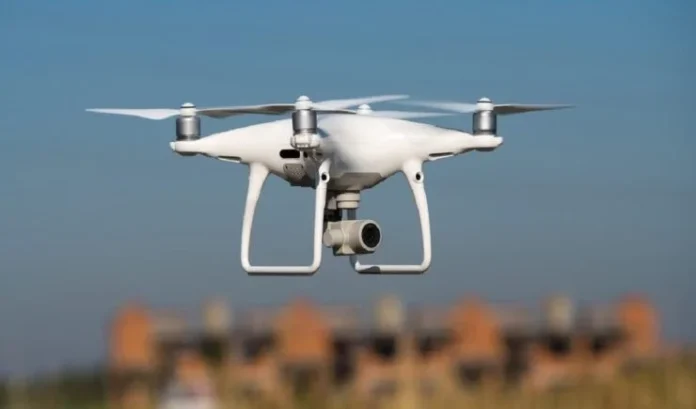
New Delhi: India has implemented a total ban on all drone imports as part of a strategic initiative to bolster domestic manufacturing and promote local start-ups in the drone sector. This announcement was made by Union Minister of Civil Aviation, K Ram Mohan Naidu. The ban aims to ensure that the benefits of drone manufacturing remain within the country and to stimulate innovation among Indian entrepreneurs.
The primary goal is to enhance India’s self-reliance in drone technology, reducing dependence on foreign imports, particularly from countries like China, which dominate the global drone market.

By eliminating foreign competition, the government hopes to create a more favourable environment for Indian start-ups to thrive and innovate in the drone industry.
The initiative is expected to generate significant employment opportunities within the sector, contributing positively to the economy.
While the import of commercial drones is prohibited, there are specific exceptions:
Drones required for defence and security purposes can still be imported, but only after obtaining necessary clearances. Entities involved in R&D or educational institutions may also import drones under strict conditions.

To further support this initiative, the Indian government has introduced several programs:
A financial incentive of ₹120 crore has been allocated to stimulate domestic drone manufacturing in the Production Linked Incentive (PLI) Scheme.

India aims to become a global hub for drone technology by 2030, which could potentially add 1-1.5% to the country’s GDP and create around 5,00,000 jobs.
The response from industry stakeholders has been mixed. While some view the ban as a necessary step towards fostering innovation and self-sufficiency, others express concerns that it might hinder access to advanced technologies and limit consumer choices. Notably, experts emphasise that while protectionist measures can stimulate local production, they should be balanced with incentives for innovation and collaboration with global markets.

Raksha Anirveda's editorial desk team brings in the collective experience of creative professionals - a fine mix of senior copy editors, writers, proofreaders and designers. Working as a team, they continuously create, manage, and curate content to sustain the magazine's profile and reputation in line with market trends and achieve magazine's goal.





