


Tirupati Forge Ltd – Rajkot, Gujarat-based company is strategically expanding into artillery shell manufacturing. Building on strong Q2 FY26-27 financial momentum, the company is translating its international forging and CNC machining capabilities into a defence-ready facility and positioning itself as a key supplier in India’s Aatmanirbhar Bharat defence ecosystem.
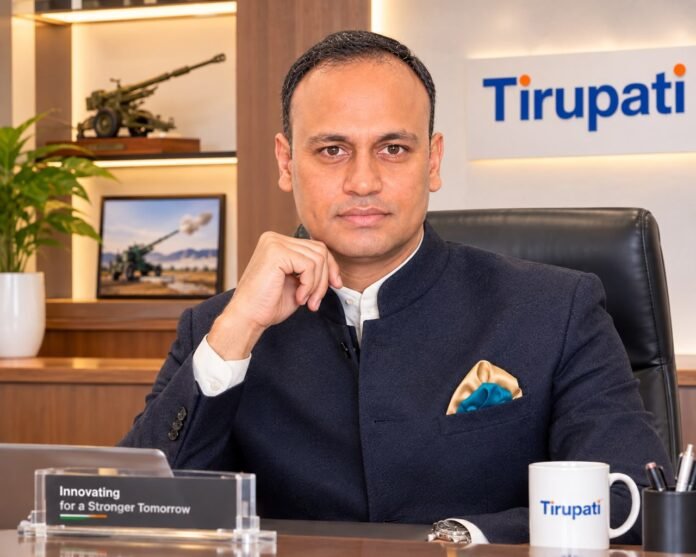
Recently Col Sandeep Rao – an Indian Army Artillery veteran with over two decades of operational and acquisition expertise, including coordinating India’s first indigenous 155mm advanced artillery gun system and Advisor to Tirupati Forge Ltd, interacted with Raksha Anirveda’s Consulting Editor, Asad Mirza. Excerpts from the interview….

Raksha Anirveda (RA): India’s defence manufacturing push, through Aatmanirbhar Bharat, the defence corridors and rising indigenisation targets, creates a large opening for Tier-2 and Tier-3 suppliers of forged and machined components. Has Tirupati Forge assessed which defence applications best match your capabilities, and what would it take to get qualified as a vendor to defence PSUs and private primes?
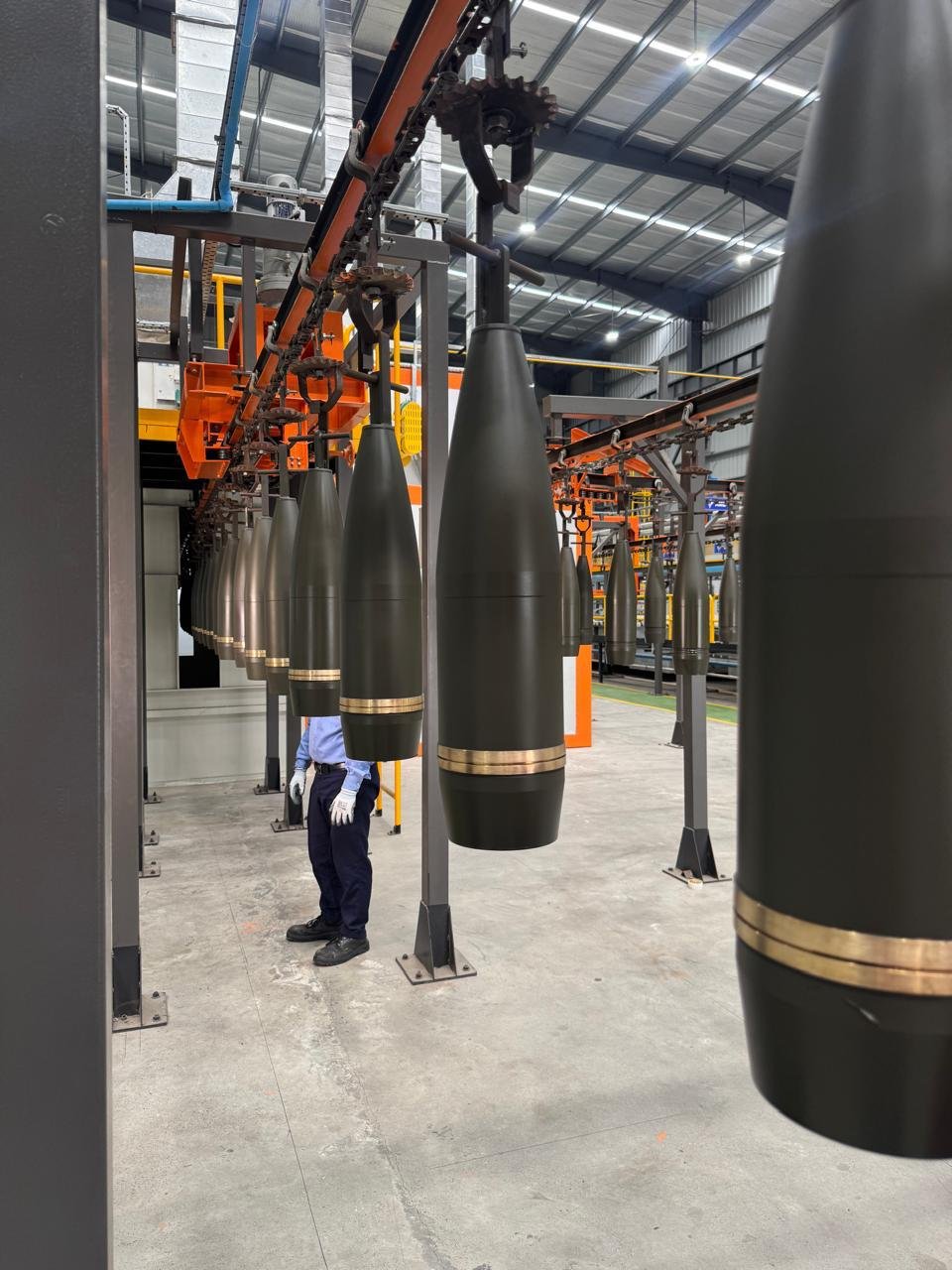
Col Sandeep Rao (CSR): Defence is not a diversification for us. It is the natural next chapter. Artillery shell bodies, vehicle and transmission rings and gears and pressure-grade forgings sit squarely on our strengths. We are walking the full qualification path, from DGQA registration to developmental orders to series supply, with the intent to be a long-term partner to DPSUs and Global OEMs. Our DPIIT manufacturing licence is in hand, and our first batch of 200 empty 155mm M107 shells is complete and ready for the Defence team’s final inspection and proof test.
RA: Tirupati’s export record shows you can meet demanding international standards. How could that experience help India’s defence supply chain, whether by replacing imported forgings, joining offset or co-development arrangements, or working with DRDO and defence startups?

CSR: We have already earned the trust of the world’s most demanding buyers. We now intend to bring that credibility home. India should not be importing forgings it can make. We aim to replace imports, partner with DRDO and defence start-ups, and take on co-development work and become trusted partners for global OEMs. With assured offtake and a predictable qualification path, we are ready to commit capital and scale.
RA: Tirupati Forge says it has an installed capacity of 15,000 tonnes per year. What forging processes, materials and component sizes can its plant handle, and how is that capacity divided across product lines?

CSR: 15,000 tonnes a year is our foundation, not our ceiling. Our closed-die and ring rolling and wide material range like carbon steel, alloy steel and stainless steel give us the flexibility to serve very different sectors. We are steadily directing capacity toward high-value, strategic components, in Defence and Aerospace sector.
RA: How does the Tirupati’s forge shop, CNC machining capabilities and other facilities work together, from raw material to finished components, and what investments or upgrades are planned to be considered as a part of the country’s defence eco system?
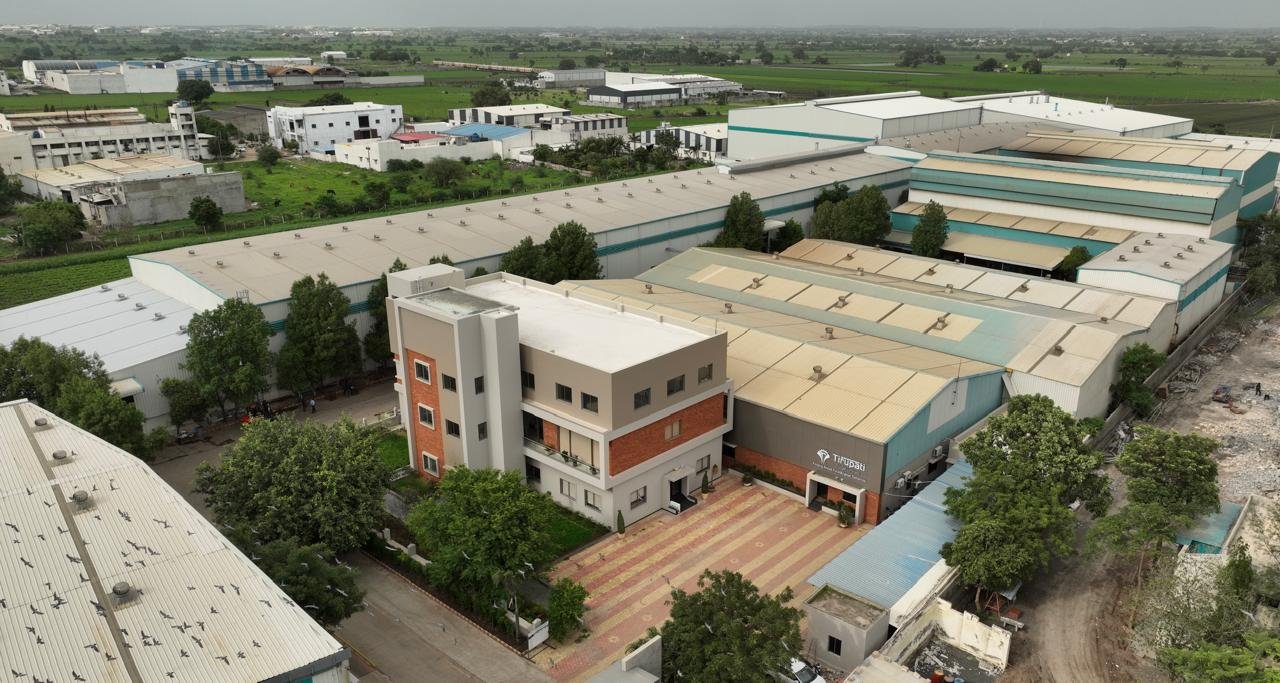
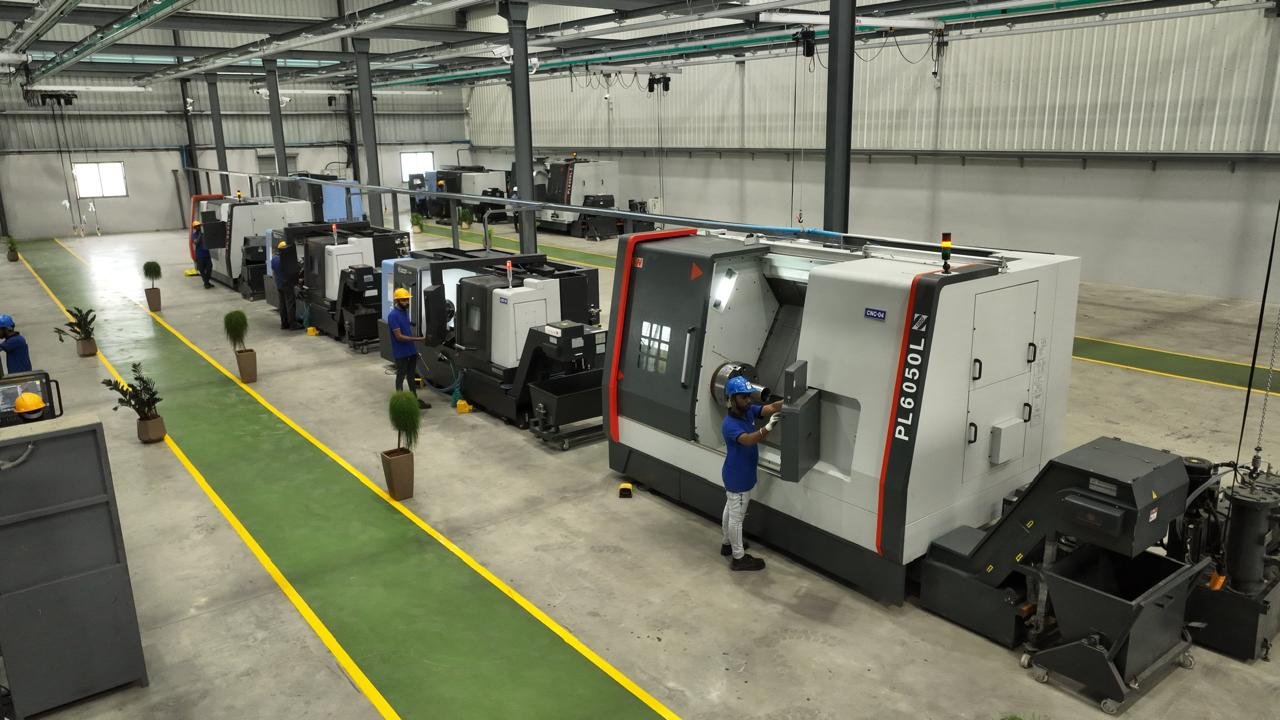
CSR: Raw material to finished component, all under one roof: forging, heat treatment, automated painting line, phosphating line, CNC machining, inspection and dispatch. That integration gives us control over quality, cost and delivery. We have invested in heavy-machining lines, advanced NDT and ballistic-grade heat treatment to make the plant a defence-ready, national-scale facility. Forging and machining of the 155mm ERFB shell has already been completed on these lines.
RA: Your product range includes forged flanges and components, as well as automotive parts such as rings, crankshafts, connecting rods, yokes and levers. Which products and markets are currently driving growth, and how does Tirupati tailor products to customer requirements, particularly for the defence sector?
CSR: Our growth is led by exports of flanges and forged components, backed by a strong automotive franchise in rings, crankshafts and connecting rods. We build to the customer’s drawing every time, and we bring the same engineering partnership to defence: co-developing, validating and delivering to exacting specifications. Our results show the momentum: Q2 FY26-27 revenue of ₹57.3 crore, up 44% year-on-year, with net profit more than tripling to ₹4.1 crore and operating margin up from about 8% to 13%. H1 FY26-27 revenue stands at ₹95.4 crore (+33%) and net profit at ₹5.3 crore (+94%). The next growth engine is 155mm artillery ammunition, with discussions for a 60,000-piece 155mm ERFB order in the final stages.
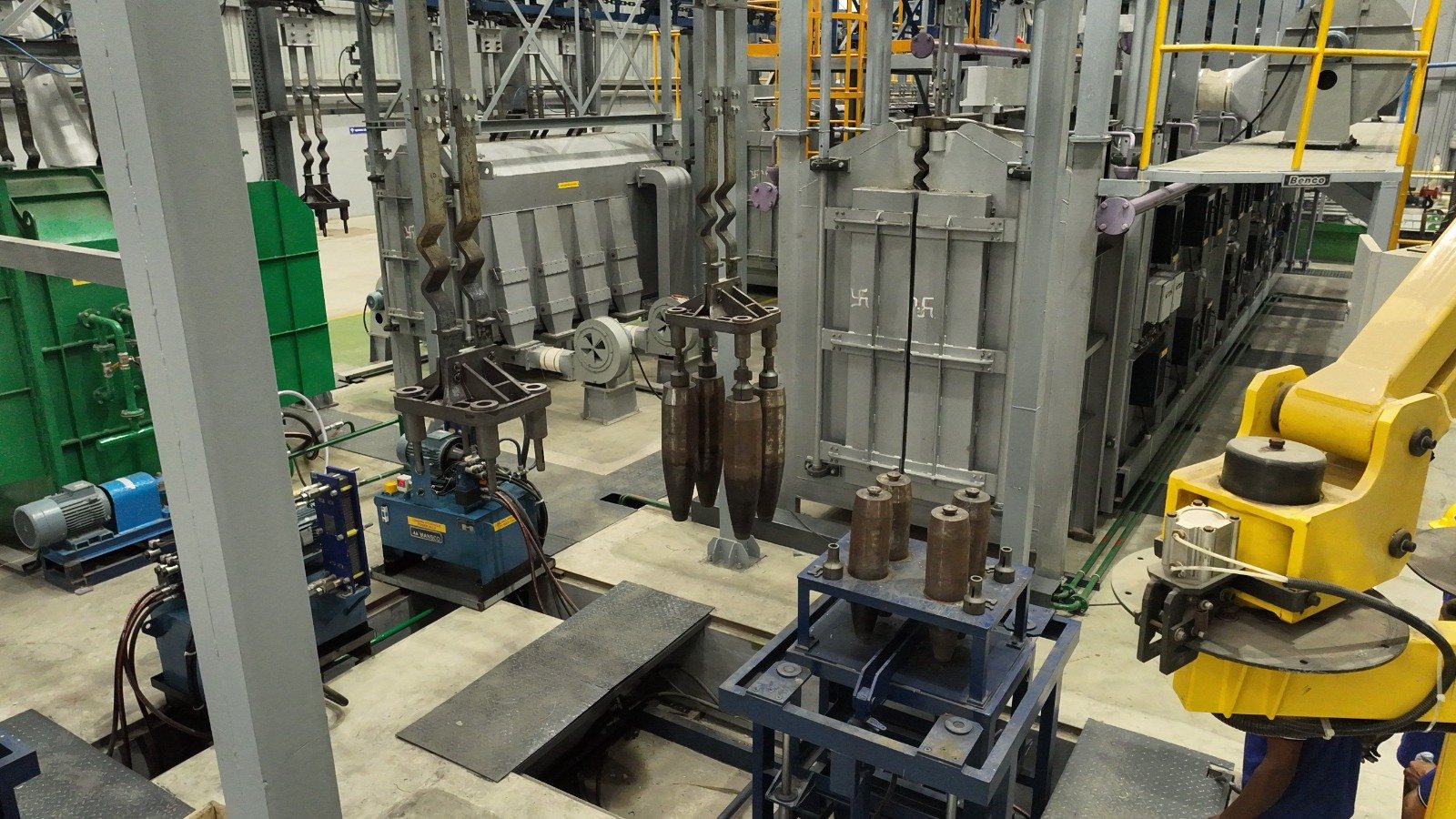
RA: What quality checks are performed at each stage of production, and how do certifications such as ISO 9001:2015, IATF 16949, PED/AD 2000 and CRN inform about Tirupati’s quality systems and traceability, to instill confidence as a certified defence supplier?
CSR: Quality is built in at every stage of our products, from incoming material to final inspection, with full batch traceability. ISO 9001, IATF 16949, PED/AD 2000 and Canadian Registration Number (CRN) are not just certificates. They show a culture of precision and accountability, and that culture is exactly what a defence customer needs.
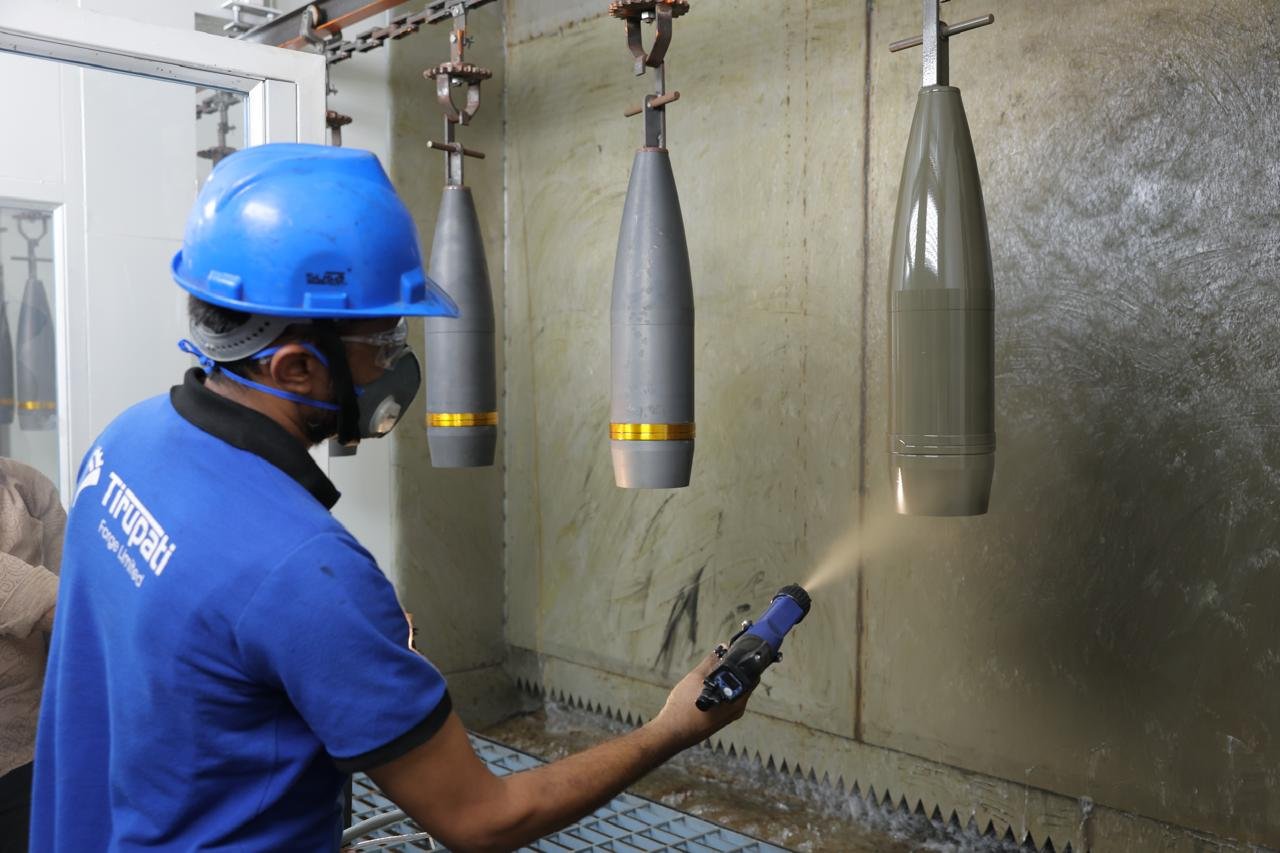
RA: Tirupati Forge has announced plans to enter artillery-shell manufacturing. What capabilities from its existing forging and machining operations can it apply to this new business, and what additional facilities, processes or approvals are needed before production begins?
CSR: Shell manufacturing is a natural extension of what we already do well: forging, heat treatment and heavy machining. We have established the dedicated state of the art automated lines, finishing capability and have the necessary approvals needed to enter the field. Our aim is to become a dependable Indian source for artillery ammunition at a time when the country needs one. Momentum is real: the DPIIT manufacturing licence is secured, 200 empty M107 shells are ready for proof test, and forging and machining of the 155mm ERFB shell is complete. Final shell completion with nub welding is scheduled for February 2027, with commercial production starting March 2027. We have control on the complete value chain and are well poised to be reliable and efficient partners to Global OEMs.

-The writer is a New Delhi-based senior commentator on international and strategic affairs, environmental issues, an interfaith practitioner, and a media consultant. The views expressed are personal and do not necessarily carry the views of Raksha Anirveda






