


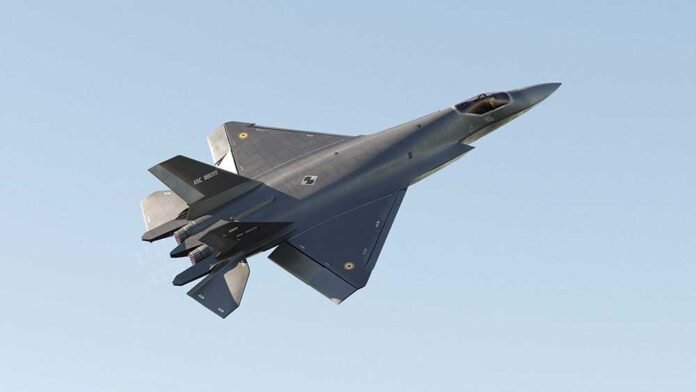
New Delhi: The Indian Air Force (IAF) is undergoing significant modernisation efforts to enhance its capabilities, particularly in the development and acquisition of fifth-generation fighter jets. This modernisation is crucial due to the ageing fleet and the need to counter emerging threats from neighbouring countries.
The AMCA is India’s indigenous fifth-generation stealth fighter jet, currently in the design phase with prototype development underway. It is expected to have its first flight by late 2028 and enter service by 2035.

The AMCA is designed with stealth capabilities, an internal weapons bay, and advanced avionics, making it comparable to other fifth-generation fighters like the F-35 and Su-57. Despite progress, India lags behind other major air forces in fighter jet development, with the AMCA expected to be a generation behind when it enters service.
The MRFA program aims to acquire over 114 fighter jets with potential fifth-generation options, including Transfer of Technology (ToT) and local manufacturing. The program has faced delays and funding issues, with uncertainties about which fifth-generation jets will be offered with ToT.
The IAF faces significant threats from China’s J-20 stealth fleet and Pakistan’s F-16s, necessitating the rapid modernisation of its fleet. India is exploring collaborations with countries like Russia for the Su-57E, which could leverage existing infrastructure for production.
The IAF aims to achieve a 42 squadron strength by 2035, though current projections suggest only 35-36 squadrons are feasible. The long-term goal is to indigenise the entire fighter jet fleet by 2042, with the AMCA and future variants playing a crucial role.

The AMCA is expected to use the GE-414 engine initially, but finalising a suitable indigenous engine is crucial for long-term sustainability and poses a significant challenge.
Despite calls from the IAF for foreign collaboration to accelerate development and mitigate risks, there has been no formal announcement of international partnerships. This lack of collaboration could lead to delays and technological gaps.







