


New Delhi: Operation Sindoor, conducted by the Indian Armed Forces on May 7, 2025, was a strategically significant retaliation against the April 22 terror attack in Pahalgam, Jammu and Kashmir, which resulted in 26 fatalities.
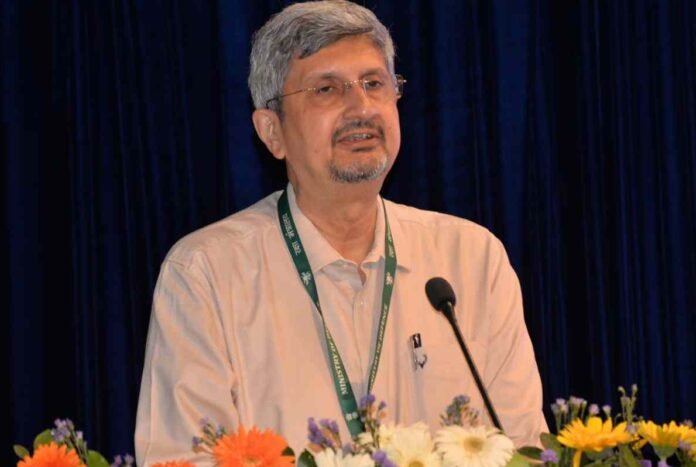
According to DRDO chairman Samir Kamat, the operation prominently featured the BRAHMOS supersonic cruise missiles for offensive strikes, primarily launched from Sukhoi Su-30MK1 jet. These missiles were key to India’s precise and powerful offensive actions against terror infrastructure and Pakistani airbases, reinforcing India’s growing self-reliance in defence technology. The strikes combined the use of advanced indigenous weaponry including the BRAHMOS cruise missile system, Akashteer air defence units, loitering munitions, and precision long-range artillery rounds like the M982 Excalibur.

Air strikes were carried out with the Indian Air Force employing Rafale jets equipped with SCALP missiles and AASM Hammer bombs, while the Army artillery and air defence played a central role in neutralising the targets.
The BRAHMOS missile, renowned for its supersonic speed (close to Mach 3), precision targeting capability, and versatility across land, sea, air, and submarine platforms, was a key asset in this operation. The missile’s performance during Operation Sindoor further cemented India’s military edge, demonstrating superiority over enemy air defences, including those of Pakistan and even considered more advanced than Chinese air defence systems by experts.
On the defensive side, the operation relied heavily on the indigenous Akashteer system—a mobile, automated air defence command and control system developed by Bharat Heavy Electricals Limited (BHEL). Akashteer served as the backbone of India’s defensive arsenal during the operation, playing a crucial role in detecting and intercepting incoming threats such as Kamikaze and reconnaissance drones, micro-UAVs, loitering munitions, and missile attacks launched by Pakistan during their counter-attacks.
The Akashteer system demonstrated remarkable effectiveness with a reported 100% success rate in neutralising every hostile drone. It integrates real-time sensor data from multiple radar and surveillance sources across the Army and Air Force into one network, enabling rapid identification, tracking, and automated engagement of threats with the appropriate weapons, thereby preventing any breaks in India’s air defence shield.

The system’s networked sensors allowed Akashteer to provide an advanced early warning and situational awareness, coordinating with other air defence assets such as the Medium-Range Surface-to-Air Missile (MRSAM) system and integrating advanced command and control frameworks. This automation and real-time data analytics significantly reduced human input delays, enhanced response times, and minimised the risk of friendly fire. The vehicle-based mobility of Akashteer enabled flexible deployment near front lines, offering seamless coverage and defence continuity.
Operation Sindoor highlighted the synergy between India’s offensive precision strike capability, led by BRAHMOS missiles, and the resilient, AI-driven defensive umbrella constituted by Akashteer and other air defence systems. Prime Minister Narendra Modi acknowledged the operation as a demonstration of India’s indigenous defence strength under the Aatmanirbhar Bharat initiative, showing that India’s home-grown technology not only delivered decisive offensive power but also robustly safeguarded Indian airspace during conflict.

Operation Sindoor not only showcased India’s advanced technological and strategic capabilities, but it also represented a significant shift in India’s defence posture towards self-reliance and indigenous strength.
The operation reflected successful Indo-Russian collaboration in defence technology, particularly highlighted by the BRAHMOS missile system, which also plays a crucial role in India’s defence diplomacy. The ability to conduct a rapid, precise retaliatory strike using domestically developed weapons underscored India’s strategic deterrent capability against terrorist threats and hostile actions, consolidating its position regionally.
The BRAHMOS missile system was the primary offensive weapon launching precise, powerful strikes, while the Akashteer anti-drone air defence system formed the core of India’s automated and integrated defensive response, successfully detecting, tracking, and neutralising all aerial threats during Operation Sindoor. This combination ensured both effective retaliation and strong defence, showcasing the advanced capabilities and strategic comfort of India’s defence R&D sector.






