


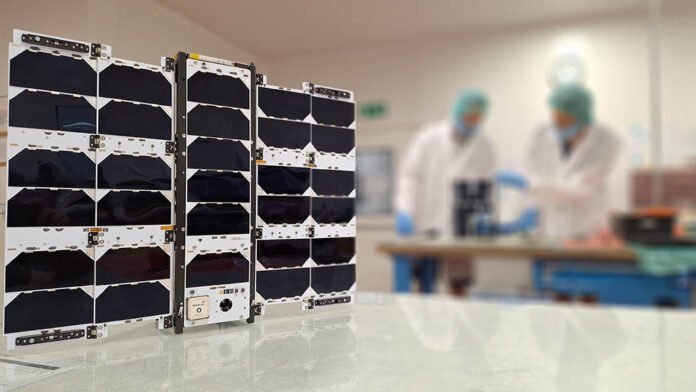
2NDSpace, an Italian company specialising in nanosatellite platforms, subsystems and space mechanisms, is positioning itself as a one-stop technology partner for the fast-growing small satellite market, with an offering built around speed, flexibility and reduced technical complexity for mission developers.
The company’s product range spans complete nanosatellite platforms as well as individual subsystems, including electrical power systems, solar panels, deployable solar panels, antennas, structures, on-board computers and deployment mechanisms. By developing these technologies internally and integrating them within a single portfolio, 2NDSpace says it can support customers at either the subsystem level or across the full development of a satellite platform, depending on what a given mission requires.

Standardisation without Sacrificing Flexibility. Central to the company’s approach is the idea that mission developers should not have to choose between proven, standardised hardware and the ability to customise it. 2NDSpace combines established architectures with a high degree of adaptability, tailoring systems to specific payload and operational requirements without adding unnecessary engineering overhead – a balance it argues is increasingly important as mission timelines shrink and customers demand hardware that integrates quickly while still meeting rigorous technical standards.
Cutting the Traditional Procurement Chain. Rapid delivery is another pillar of the company’s pitch. Conventional satellite development often involves lengthy procurement cycles, multiple suppliers and complex interfaces between sub-systems built by different vendors. By offering a broad set of internally developed technologies under one engineering roof, 2NDSpace says it can offer a more direct route from mission concept to a flight-ready system, cutting lead times, coordination overhead and overall mission costs.
Riding the Nanosatellite Wave. The company’s strategy is aligned with a broader shift in the space sector, as nanosatellites gain traction across commercial services, research, technology demonstration, Earth observation and communications. As more new entrants look to break into the space market, 2NDSpace is positioning itself as a partner for companies, institutions and research organisations that want to launch missions without building every satellite component from scratch. The company says its objective is to reduce barriers related to cost, development time and system complexity, while giving customers the flexibility to choose their preferred level of integration – from a single sub-system to a full nanosatellite platform.
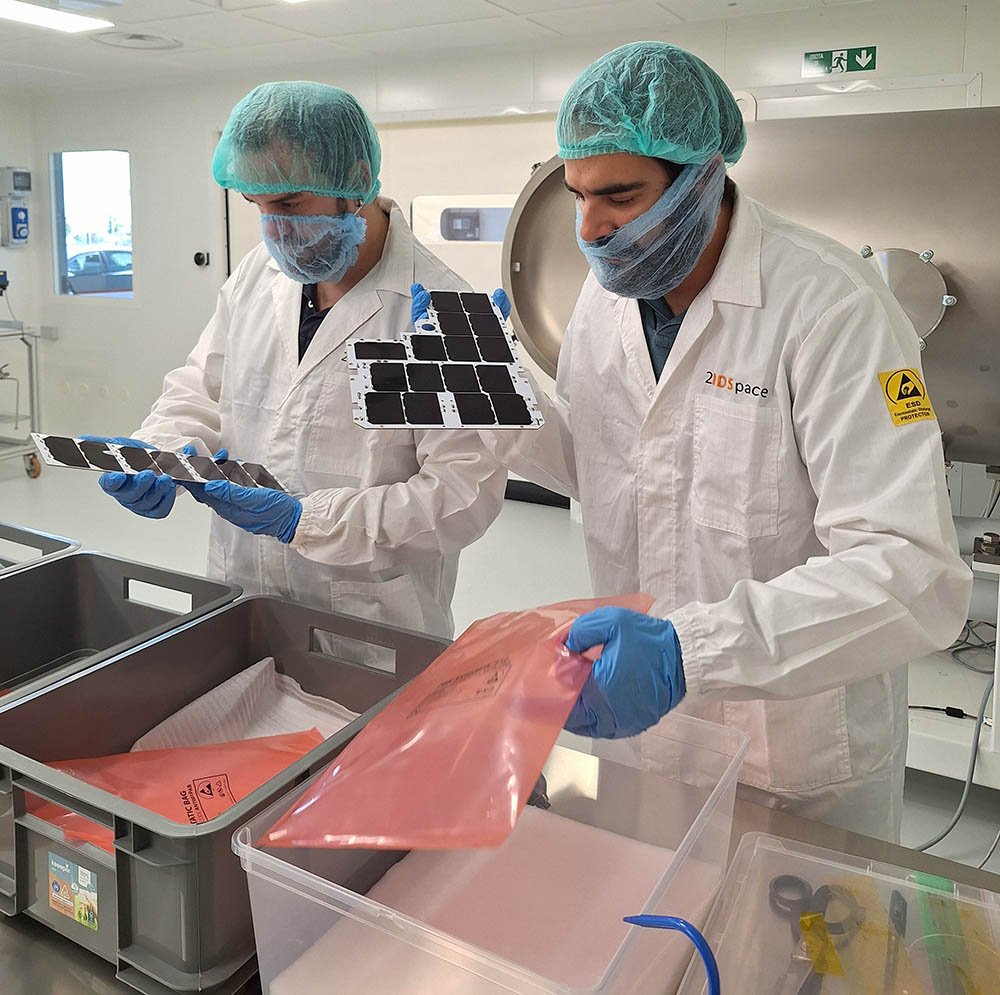

2NDSpace is showcasing this strategy at BSX 2026, which the company describes as an opportunity to present its vision to one of the world’s most active space ecosystems and deepen ties with customers, technology partners and institutions. “BSX 2026 is an important opportunity for 2NDSpace to showcase how innovation in nanosatellite platforms and sub-systems can translate into faster, more accessible and more sustainable growth for the space sector,” said Riccardo Carlini, Chief Innovation Officer of 2NDSpace.
He added that the company is looking to meet organisations developing next-generation missions, understand their technical challenges and explore new partnerships as it continues its international growth while making advanced satellite technology easier to access, customise and deploy.

At the exhibition, 2NDSpace expects to engage with both established industry players and emerging space companies, with an eye toward identifying opportunities for technological collaboration and building new commercial relationships. The company says the event will also serve as a platform to demonstrate how a flexible, integrated approach to nanosatellite manufacturing can help a wider range of organisations move from mission concepts to operational space systems.






