


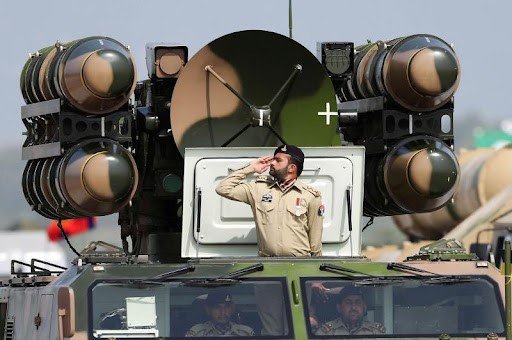
Reports of Pakistan and Kuwait moving towards an expanded defence partnership have generated considerable interest across strategic circles in South Asia and the Gulf.
Although military cooperation between Pakistan and the Gulf monarchies is not new, speculation that the relationship could evolve into a broader security arrangement linked to long-term energy security has revived an old strategic debate:

Is Pakistan once again positioning its military establishment as a strategic asset for economic leverage? Historically, Pakistan has supplied military manpower, training expertise and advisory support to several Gulf Cooperation Council (GCC) countries.
Saudi Arabia, the United Arab Emirates (UAE), Qatar and Bahrain have all benefited from Pakistani military cooperation at different points in time. Kuwait, although maintaining cordial defence ties with Pakistan, has generally remained outside the more intensive security arrangements that Pakistan has enjoyed with some of its other Gulf partners.
The contemporary geopolitical environment, however, is markedly different.
The Israel-Iran confrontation, continuing instability in the Persian Gulf, Houthi attacks on commercial shipping, uncertainty regarding long-term American security commitments, China’s expanding regional influence and Pakistan’s deepening economic crisis have together created conditions in which both Islamabad and Kuwait perceive value in strengthening defence cooperation.

Whether this relationship ultimately evolves into a de facto “security-for-energy” arrangement is considerably more complex than recent headlines suggest.
Nevertheless, its strategic implications merit careful examination.

Pakistan’s Military Diplomacy in the Gulf
Pakistan has long regarded military diplomacy as an important instrument of foreign policy and economic engagement. Since the 1960s, Pakistani military personnel have served as trainers, advisers and instructors across several Gulf states.
During periods of heightened regional tension, Pakistani troops have also been deployed in Saudi Arabia and the UAE, primarily to assist in training, air defence, protection of critical infrastructure and internal security rather than expeditionary combat operations.
The arrangement has historically generated mutual benefits.
The Gulf monarchies gained access to experienced military professionals with shared cultural and religious affinities, while Pakistan benefited through financial assistance, workers’ remittances, concessional oil arrangements and sustained political support.
Unlike private military contractors, Pakistani military deployments have been conducted under sovereign state-to-state agreements, lending them greater political legitimacy. This model has periodically re-emerged whenever Pakistan’s economy has experienced periods of severe financial stress.
Why Kuwait Is Looking Towards Pakistan
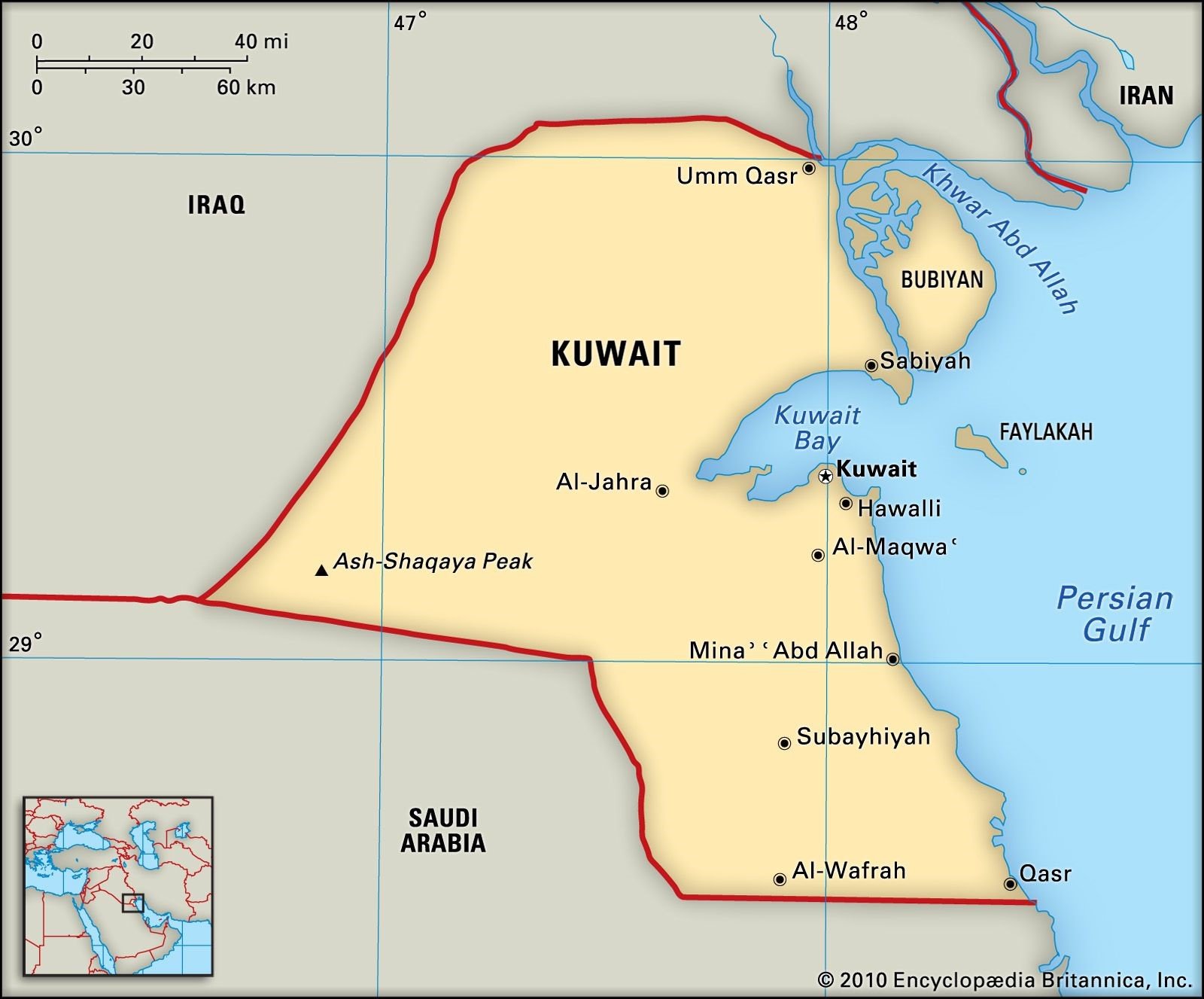
Kuwait occupies one of the world’s most strategically vulnerable geopolitical locations.
Bordering Iraq while lying directly across the Gulf from Iran, the country has traditionally depended upon external security guarantees to safeguard its sovereignty.
The Iraqi invasion of 1990 fundamentally reshaped Kuwait’s defence philosophy. Although the United States remains Kuwait’s principal security partner, recent geopolitical developments have encouraged several Gulf states to diversify their defence relationships rather than rely exclusively on a single external power.
Several factors explain Kuwait’s growing interest in Pakistan. These include uncertainty regarding future American military commitments, the rising threat posed by missiles and armed drones, the need for cost-effective military training partnerships, the protection of critical energy infrastructure, and expanding requirements in cybersecurity and counter-terrorism cooperation.
Pakistan possesses recognised expertise across many of these domains while offering substantially lower costs than most Western military providers.
Pakistan’s Economic Imperatives
Understanding Islamabad’s motivations requires equal attention to Pakistan’s deteriorating economic circumstances. Pakistan is currently confronting one of the most challenging economic environments in its history.
Repeated reliance on International Monetary Fund (IMF) assistance, combined with continuing financial support from Saudi Arabia, China, the UAE and other international partners, underscores the depth of its economic vulnerabilities.
Foreign exchange reserves have periodically declined to critically low levels, while energy imports remain among the largest contributors to Pakistan’s persistent trade deficit.
Against this backdrop, securing reliable long-term energy supplies on favourable terms has become an important strategic objective.
The emerging Pakistan-Kuwait partnership reflects the growing convergence of security, energy and geopolitics across the Gulf
It is therefore unsurprising that defence diplomacy is increasingly intersecting with economic diplomacy. Military cooperation, in this context, becomes not merely a security instrument but also an important component of Pakistan’s broader economic strategy.
The Scale of the Economic Challenge
Pakistan’s nominal Gross Domestic Product (GDP) is estimated at approximately US$380–400 billion, making it one of the world’s larger economies in demographic terms but relatively modest in per capita output.
Public debt has risen to around PKR 80–90 trillion, equivalent to roughly US$280–320 billion, depending on prevailing exchange rates. Total external debt and liabilities are estimated at approximately US$125–135 billion, while debt servicing consumes a substantial proportion of government revenues. Inflation, currency depreciation and a persistently narrow tax base continue to constrain fiscal stability.
As debt servicing increasingly competes with expenditure on development, education, healthcare and infrastructure, Pakistan’s dependence on repeated external financial assistance remains significant.
This economic reality provides essential context for understanding Islamabad’s growing emphasis on defence diplomacy and strategic partnerships.
Can Defence Cooperation Become Security for Energy?
The proposition that Pakistan may be exchanging military cooperation for energy security is politically provocative, but it reflects a broader strategic question that deserves careful examination.
Several possible models could link defence and energy cooperation, even if no such arrangement is ever formally acknowledged. One possibility is the provision of concessional oil supplies in return for expanded defence cooperation, military training missions and advisory services. Another involves deferred payment mechanisms for energy imports linked to long-term defence agreements.
Kuwait could also invest in Pakistan’s defence industry or military infrastructure while Islamabad simultaneously expands defence cooperation. Alternatively, the two countries could establish joint defence manufacturing ventures, financed through sovereign investment funds.
Such arrangements would not necessarily amount to a direct barter system. Rather, defence cooperation would strengthen the broader political relationship, creating conditions that facilitate favourable economic and energy arrangements.
This pattern is neither unusual nor unprecedented; it is a recurring feature of strategic partnerships across the world.
What Pakistan Can Offer Kuwait
Despite its economic difficulties, Pakistan continues to possess one of the region’s largest and most experienced professional military establishments.
Its Army has acquired extensive operational experience in counter-insurgency and counter-terrorism operations, while the Special Services Group (SSG) enjoys a well-established international reputation.
The Pakistan Air Force (PAF) operates modern combat aircraft, including the JF-17 Thunder and F-16, and maintains respected standards of operational training. Similarly, the Pakistan Navy has steadily expanded its capabilities in anti-submarine warfare and maritime security.
Equally significant is Pakistan’s mature military education and training ecosystem. Institutions such as the Pakistan Military Academy, the National Defence University, and several specialised training establishments regularly train foreign military personnel.
For countries seeking cost-effective professional military education, this represents a significant attraction. Pakistan therefore offers Kuwait more than military manpower. It offers an established institutional framework for training, professional military education, operational advice and defence cooperation.
Kuwait’s Strategic Calculus
For Kuwait, the attraction extends well beyond access to military training. Pakistan provides strategic depth without appearing politically intrusive.
Unlike many major powers, Islamabad does not seek permanent military bases or a dominant geopolitical role in the Gulf. Instead, it offers culturally compatible personnel with extensive familiarity with Gulf operating conditions.
Pakistan also benefits from long-standing people-to-people connections. Its expatriate community forms an important component of the workforce across several Gulf economies, including Kuwait.
Military cooperation therefore complements an already well-established socio-economic relationship. Nevertheless, Kuwait is highly unlikely to view Pakistan as a replacement for its longstanding security relationship with the United States.
Rather, Pakistan would serve as a complementary security partner within Kuwait’s broader and diversified defence architecture.
The Saudi Factor
Any Pakistan-Kuwait defence arrangement must also be viewed through the prism of Saudi Arabia’s regional influence. Saudi Arabia remains Pakistan’s most important strategic partner in the Gulf.
Over several decades, Islamabad has carefully balanced its relationships with Riyadh and Tehran, avoiding direct involvement in their regional rivalry while maintaining constructive ties with both.
A stronger Pakistan-Kuwait partnership would almost certainly receive Saudi approval, provided it complements rather than complicates the broader Gulf Cooperation Council (GCC) security framework.
Indeed, enhanced interoperability among Gulf militaries could indirectly strengthen collective regional deterrence.
China’s Expanding Shadow
China introduces another important strategic dimension. Beijing remains Pakistan’s largest long-term strategic partner, with the China-Pakistan Economic Corridor (CPEC) further deepening bilateral dependence.
Should Pakistan expand its military engagement with Gulf states, China could derive indirect strategic benefits. Chinese-origin defence equipment already constitutes a substantial component of Pakistan’s military inventory.
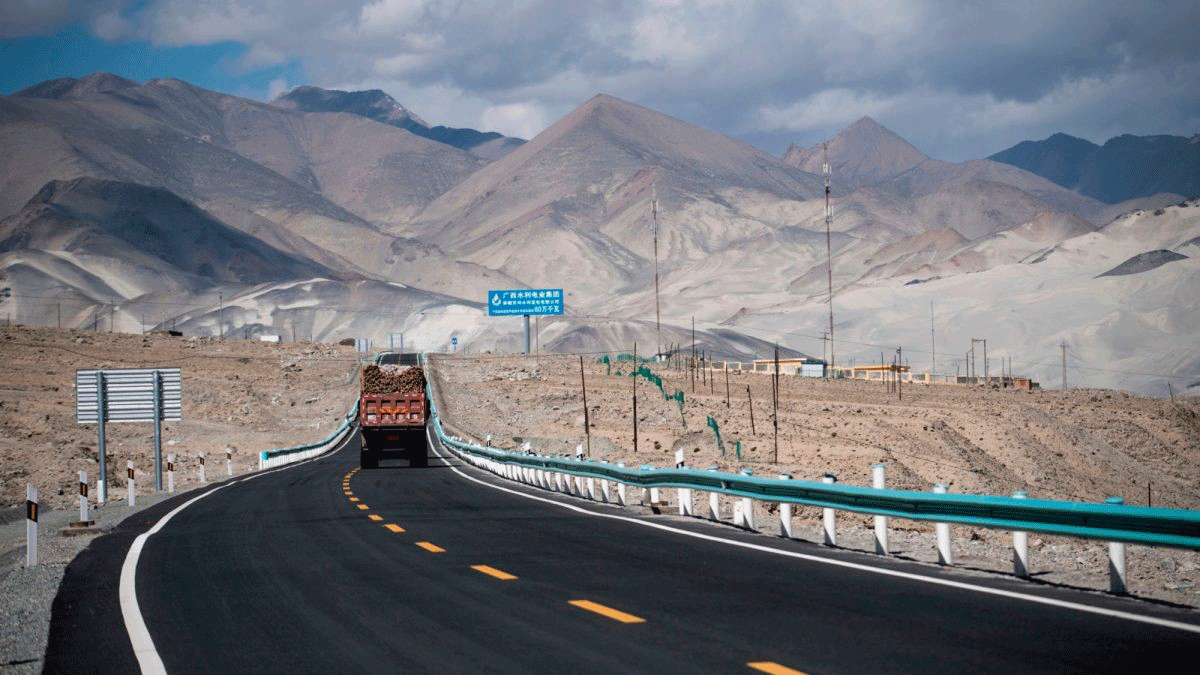
Consequently, training programmes conducted by Pakistani personnel may gradually familiarise Gulf militaries with Chinese platforms, operational procedures and maintenance practices.
Without deploying a single Chinese soldier, Beijing could incrementally expand its strategic influence within the Gulf’s defence ecosystem. Such an outcome would inevitably attract close attention in Washington, where policymakers continue to monitor China’s expanding geopolitical footprint across West Asia.
Iran’s Strategic Concerns
Iran is likely to monitor any expansion of Pakistan-Kuwait defence cooperation with considerable caution. Tehran has traditionally viewed closer military ties between Pakistan and the Gulf monarchies through the prism of its own regional security concerns.
Although Pakistan has generally avoided becoming directly involved in Sunni-Shia rivalries or the broader Saudi-Iran competition, an expanded defence partnership with Kuwait could complicate Islamabad’s carefully maintained diplomatic balance.
For Pakistan, defence diplomacy increasingly complements economic diplomacy in an era of mounting financial pressures
At the same time, Iran recognises Pakistan’s strategic constraints. Islamabad cannot afford prolonged confrontation with either Saudi Arabia or Iran, both of which are important to its economic and geopolitical interests.
Maintaining strategic neutrality, therefore, is likely to remain central to Pakistan’s regional policy.
The American Perspective
The United States is unlikely to oppose routine defence cooperation between Pakistan and Kuwait. Washington has historically accepted Pakistan’s role in training and advising Gulf militaries, particularly when such cooperation complements broader regional security arrangements.
American concerns, however, would intensify if the emerging partnership were to facilitate a significant expansion of Chinese strategic influence, advanced technology transfers or intelligence cooperation that diluted Washington’s long-standing security primacy in the Gulf.
Consequently, the United States is expected to monitor developments closely, particularly in areas relating to interoperability, military technologies and strategic infrastructure.
India’s Strategic Assessment
From India’s perspective, the evolving Pakistan-Kuwait relationship warrants careful observation rather than undue concern.
Pakistan providing military trainers or advisers to Gulf countries is not a new phenomenon. What deserves closer attention, however, is whether such cooperation translates into sustained financial support, enhanced defence capabilities or greater diplomatic influence for Islamabad.
Several implications merit consideration. First, expanded Gulf financial assistance could partially alleviate Pakistan’s economic difficulties.
Second, successful defence diplomacy may strengthen Pakistan’s international standing and reinforce its image as a reliable security partner.
Third, greater military engagement could improve Pakistan’s access to advanced technologies, professional military exchanges and joint operational experience.
These developments deserve monitoring, but they should also be viewed in the context of India’s own evolving relationships with the Gulf.
Over the past decade, New Delhi has transformed its engagement with Saudi Arabia, the United Arab Emirates, Oman, Qatar and Kuwait.
Today, India’s partnerships encompass energy security, maritime cooperation, intelligence sharing, defence collaboration, investments, technology and an expanding strategic dialogue.
Consequently, Pakistan no longer enjoys the privileged position in the Gulf that it once did.
India’s growing political influence, economic engagement and strategic credibility have significantly broadened its own footprint across the region.
Is Pakistan Becoming a Military Rentier State?
A more fundamental analytical question is whether Pakistan is gradually evolving into a military rentier state. Traditionally, rentier states rely heavily on external income rather than sustained domestic productivity and industrial growth. Pakistan already depends significantly on workers’ remittances, IMF assistance, Chinese financing and financial support from Gulf partners.
If defence diplomacy increasingly becomes another source of external economic support, the country’s military establishment may assume an even larger role in sustaining the national economy. Such an approach carries inherent risks.
Should military cooperation begin to substitute for structural economic reform, Pakistan could reinforce long-term dependence rather than achieve sustainable economic growth. Military services, however valuable, cannot substitute for industrial competitiveness, fiscal discipline, export diversification or institutional reform.
These remain the essential foundations of long-term national resilience.
Risks for Kuwait
While the proposed partnership offers several advantages, Kuwait must also weigh the potential risks.
Reliance on foreign military personnel inevitably raises questions of operational autonomy and national sovereignty. Future political changes within Pakistan could influence the continuity or scope of defence cooperation.
Regional tensions involving Iran may also complicate operational deployments or strategic planning.
Moreover, any perception that Pakistani military personnel are functioning as mercenary forces rather than as participants in legitimate state-to-state defence cooperation could invite international criticism.
Kuwait seeks affordable military expertise, while Pakistan seeks strategic relevance, economic opportunities and long-term energy security
For these reasons, Kuwait is likely to confine the relationship primarily to training, military education, advisory services, institutional capacity-building and selected technical cooperation, rather than combat deployments.
Lessons from History
History offers several useful precedents.
Britain has long relied on Gurkha regiments, France continues to maintain the French Foreign Legion, while the United States has employed private military contractors for specialised operational roles.
Similarly, several Gulf states have depended on foreign military advisers for decades. Pakistan’s model, however, differs in one important respect. Its military deployments take place through formal sovereign agreements involving regular armed forces, rather than private contractors.
This provides greater political legitimacy but also imposes corresponding diplomatic and strategic constraints.
The Most Likely Trajectory
The most probable outcome is not the emergence of a formal military alliance.
Rather, the relationship is likely to evolve gradually through expanded cooperation in military education, joint exercises, cybersecurity, counter-drone technologies, protection of critical energy infrastructure, maritime security, special forces training, artificial intelligence-enabled surveillance, and defence-industrial collaboration.
Energy cooperation may also deepen simultaneously, though it is more likely to occur through preferential commercial arrangements than through any explicit barter or quid pro quo.
The future of the relationship will therefore depend less on dramatic political announcements than on the steady institutionalisation of defence cooperation across multiple domains.
Takeaways
The emerging Pakistan-Kuwait defence partnership reflects broader geopolitical changes unfolding across West Asia.
As regional powers diversify their security relationships amid growing uncertainty over the future balance of power in the Gulf, middle-power defence diplomacy is assuming greater strategic significance.
For Kuwait, Pakistan offers professional military expertise, operational experience, institutional training and comparatively cost-effective defence cooperation.
For Pakistan, the relationship promises greater diplomatic relevance, economic opportunities and potentially more secure long-term access to energy resources.
Describing the evolving relationship simply as an “army for hire” or an “army for energy” arrangement, however, oversimplifies a far more nuanced strategic equation.
The real issue is not whether Pakistani troops serve in the Gulf, but whether defence cooperation becomes an enduring instrument of regional statecraft
Modern defence partnerships encompass training, technology, logistics, intelligence cooperation, institutional capacity-building and defence-industrial collaboration, making them considerably more sophisticated than traditional transactional security arrangements.
Any economic benefits—whether in the form of concessional oil supplies, investments or financial assistance—are likely to remain embedded within a broader strategic relationship rather than being structured as a direct exchange for military services.
For India, these developments warrant careful monitoring but not strategic alarm.
New Delhi’s own partnerships with the Gulf have expanded substantially over the past decade and now rest upon broad foundations that include energy security, maritime cooperation, technology, investments, defence collaboration and strategic dialogue.
Consequently, the real significance of any Pakistan-Kuwait defence arrangement lies less in the deployment of Pakistani military personnel and more in whether it contributes to a wider restructuring of the Gulf’s evolving security architecture, involving the United States, China, the Gulf monarchies and other emerging middle powers.
Ultimately, Pakistan’s greatest strategic challenge remains domestic economic revival.
Defence diplomacy may generate goodwill, strategic influence and limited economic dividends, but it cannot substitute for fiscal reform, industrial competitiveness, export-led growth and institutional resilience.
If Islamabad increasingly treats military partnerships as a mechanism for securing external economic rents, it risks perpetuating the cycle of dependency that has constrained its development for decades.
Conversely, if defence cooperation complements broader economic reforms, it could enhance Pakistan’s regional relevance without reducing its armed forces to the simplistic caricature of an “army for hire.”
The more consequential question is not whether Pakistani forces would fight on Kuwait’s behalf in a future regional conflict, but whether this evolving partnership marks the beginning of a broader realignment in the Gulf’s security architecture.

-The author retired as Major General, Army Ordnance Corps, Central Command, after 37 years of service. A management doctorate and expert on defence modernisation, he is the author of four books, including the Amazon bestseller “Breaking the Chinese Myth,” and a frequent media commentator. He is affiliated with several leading defence and strategic studies institutions in New Delhi. The views expressed are of the writer and do not necessarily reflect the views of Raksha Anirveda





