


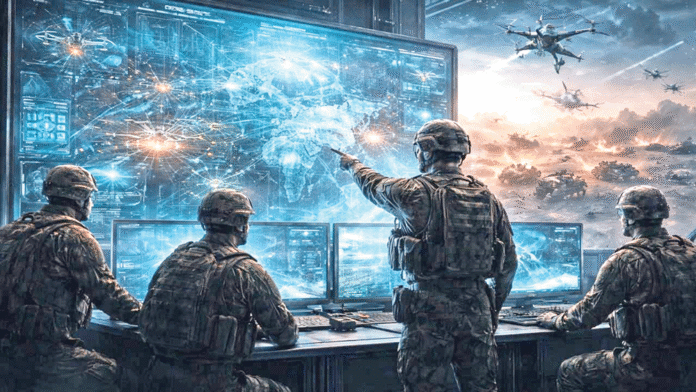
 The character of warfare is undergoing a profound transformation. Military operations are becoming increasingly interconnected, technology-driven and multi-domain in nature. Cyber operations, electronic warfare, information campaigns, autonomous systems and artificial intelligence are now shaping military outcomes alongside traditional combat power.
At the same time, commanders are required to process larger volumes of information, coordinate a wider range of assets and make critical decisions within increasingly compressed timelines. As warfare becomes more complex and ambiguous, the cognitive demands on military leaders and operators continue to grow.

This evolving battlefield reality is compelling defence forces worldwide to rethink how they train and prepare for future conflicts. Training is no longer limited to individual skills or platform familiarisation. The emphasis is shifting towards collective readiness, mission rehearsal, adaptive decision-making and integrated training ecosystems.
Recognising this shift, Tecknotrove Systems is leveraging its expertise in simulation, digital technologies and training systems to build next-generation training ecosystems that prepare armed forces for the realities of future warfare.
Multiplayer Training: From Individual Skills to Collective Combat Effectiveness
For decades, military simulators have been highly effective in developing individual skills and procedural proficiency. However, military operations are executed by teams, units and formations, where success depends as much on coordination, communication and collective decision-making as on individual expertise.
Defence forces worldwide are increasingly adopting multiplayer simulation environments that allow multiple participants to train simultaneously within a shared virtual battlespace. Tecknotrove’s multiplayer training architecture enables trainees, crews and commanders to operate together within a common synthetic environment where the actions and decisions of one participant directly influence the experience of others in real time.

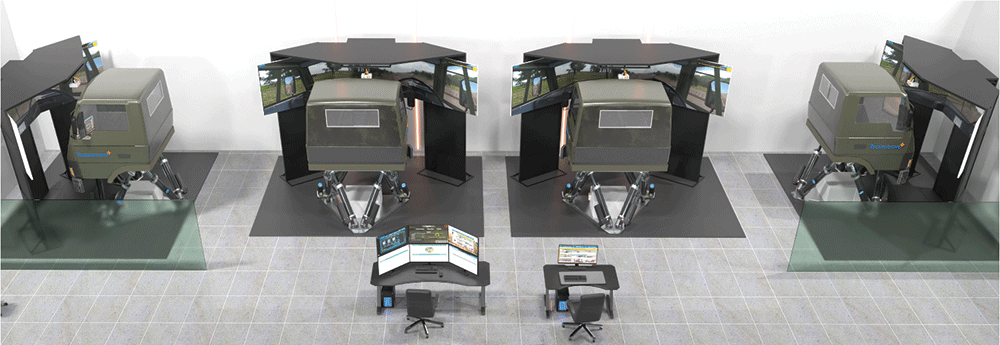
In effect, every participant becomes part of the training environment for every other participant, creating a dynamic and realistic operational ecosystem. By transforming isolated training events into collaborative mission experiences, Tecknotrove is helping Armed Forces strengthen teamwork, communication and collective combat effectiveness.

Adaptive Training and AI-Powered Learning Ecosystems
One of the inherent limitations of conventional training is predictability. Repeated exposure to fixed scenarios often encourages scripted responses rather than developing the judgment and adaptability required on modern battlefields.
To address this challenge, defence forces worldwide are increasingly adopting adaptive training environments where scenarios evolve dynamically based on participant actions, operational developments and adversary behaviour. Unexpected threats, intelligence updates, equipment failures, weather changes and evolving enemy actions create uncertainty and force participants to continuously assess, adapt and respond.
Tecknotrove’s advanced scenario-generation capabilities expose trainees to evolving operational situations that closely replicate the ambiguity and friction of real-world military operations. Complementing this approach, the company’s AI-enabled Training Management Systems analyse performance, identify skill gaps and generate objective readiness assessments at both individual and group levels.
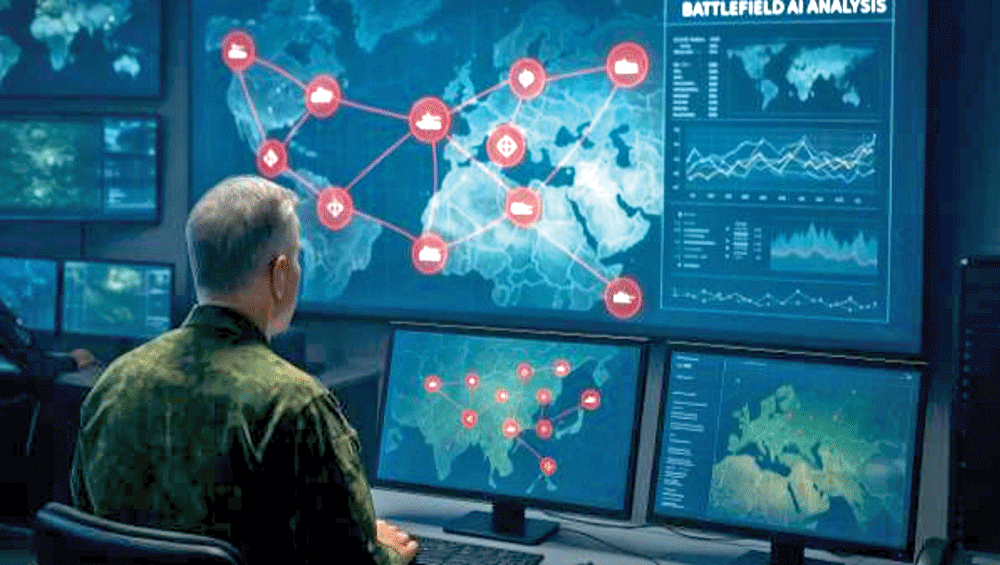
Together, these capabilities transform simulation from an event-based activity into a continuous learning ecosystem, helping commanders develop better decision-makers, more adaptive teams and more combat-ready forces.
Live-Virtual-Constructive Integration: Creating a Unified Training Ecosystem
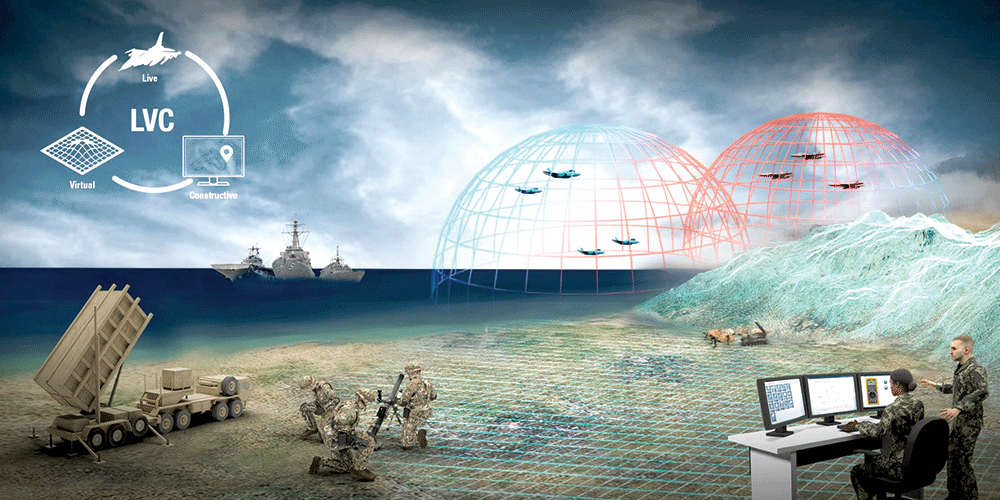
One of the most significant developments in military simulation is the emergence of Live-Virtual-Constructive (LVC) training environments. By connecting live participants, simulator-based trainees and computer-generated entities within a common synthetic battlespace, LVC enables military organisations to conduct complex exercises with greater realism, flexibility and scale.
Traditional training is often constrained by cost, logistics, asset availability and safety considerations. More importantly, training frequently occurs in functional silos, with individual platforms, units and formations exercising independently.
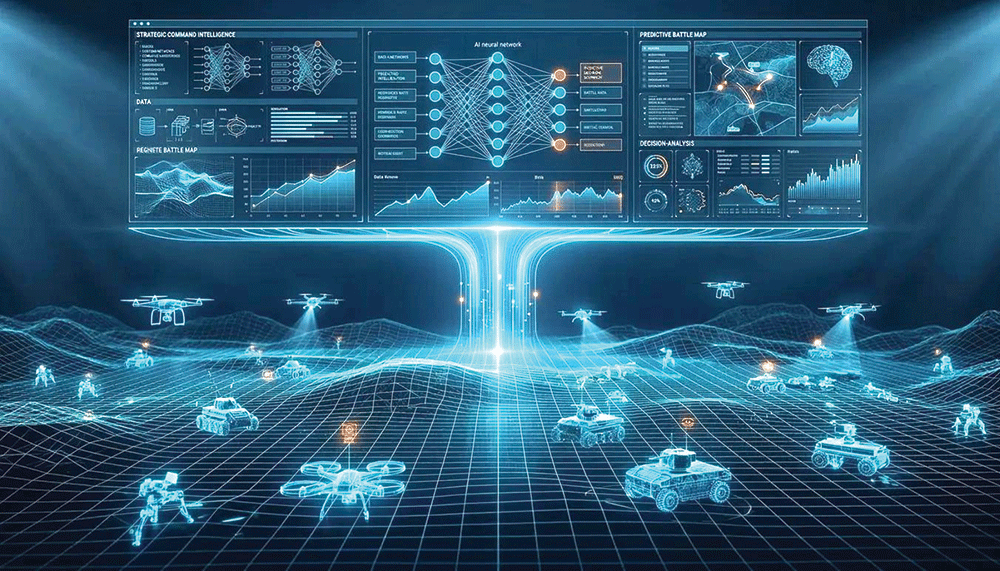
Tecknotrove is actively driving the transition towards integrated LVC ecosystems by connecting disparate training systems into a unified operational environment. This enables armed forces to conduct mission rehearsals, joint-force exercises and operational planning activities that closely replicate real-world operations.
By breaking traditional training silos and enabling seamless interaction between multiple participants, platforms and domains, Tecknotrove is helping create more holistic, scalable and operationally relevant training experiences.
Building Indigenous Defence Training Ecosystems
As military training becomes increasingly software-driven, networked and data-centric, ownership of training architectures is emerging as a strategic imperative. Modern training ecosystems are no longer merely instructional tools; they increasingly influence operational doctrines, readiness assessment methodologies, threat modelling and future capability development. Recognising this reality, nations across the world are investing in indigenous simulation and training ecosystems to reduce external dependencies, safeguard critical data and retain control over the evolution of their military capabilities.
For India, the pursuit of defence self-reliance extends beyond indigenous platforms and equipment. It must also encompass sovereign ownership of the technologies used to train, evaluate and prepare military personnel.
As one of India’s leading simulations and defence training technology companies, Tecknotrove is at the forefront of this transformation. Through sustained investments in indigenous simulation technologies, AI-enabled training systems, digital twins, multiplayer architectures and LVC ecosystems, the company is helping build the foundations of a sovereign and future-ready military training infrastructure.
Beyond strengthening the training capabilities of the Indian Armed Forces, Tecknotrove’s indigenous technologies also support national objectives of technological sovereignty, reduced external dependence, defence exports and the development of globally competitive Indian defence technologies.
The future of military training will not be defined by standalone simulators operating in isolation. It will be shaped by integrated training ecosystems that combine collective training, adaptive scenarios, artificial intelligence, Live-Virtual-Constructive integration and data-driven performance assessment.
For India, this transformation presents a unique opportunity to build a future-ready training architecture aligned with the demands of modern warfare while advancing the broader national objectives of technological self-reliance and capability development.
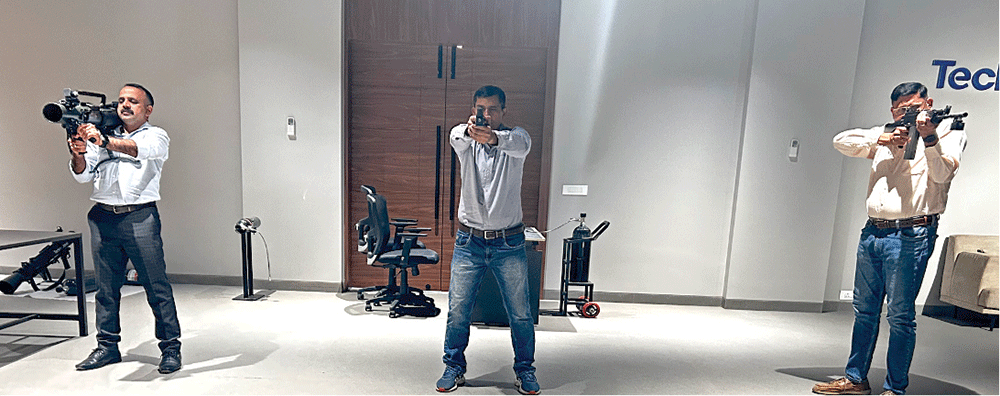
“As one of India’s leading simulation and defence training technology companies, Tecknotrove is not merely developing simulators; it is helping build the foundations of a sovereign, intelligent and interconnected military training ecosystem. Through indigenous innovation and next-generation training technologies, the company is playing a leading role in enhancing combat readiness, strengthening technological sovereignty and positioning India as a global leader in advanced defence training solutions”, says Shantanu Gupta, Managing Director, Tecknotrove.






