


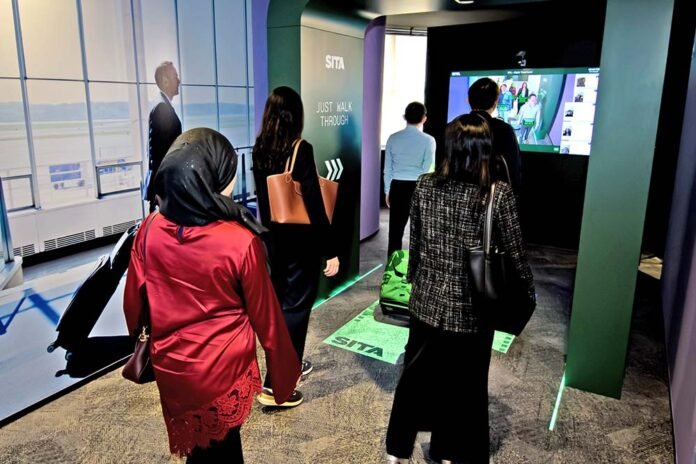
Mumbai / New Delhi. The future of border control no longer has to happen at the border. SITA on September 9 launched SITA Border Flow Lane, a new border processing solution that turns border control from a stop-and-check process into a data-driven, pre-clearance and move-through experience. Instead of stopping at a gate, kiosk, or officer checkpoint to present a passport, travellers are verified before they depart and upon arrival, as they move through the immigration hall.
For decades, border agencies have invested in technologies that answer three fundamental questions earlier and with greater certainty: Can this person travel? Who are they? What does their journey tell us?

Today, more is known about a traveller before they board a flight than at any point in history.
The question is no longer whether border authorities have the information they need to take the right decisions. The question is: if those decisions can already be made before a traveller arrives, why should every traveller still have to stop and present documents at the border?
The result is border clearance up to eight times faster than traditional border control eGates, helping trusted travellers keep moving while allowing border officers to focus on the cases that need closer attention.
Border Flow Lane is the latest innovation, resulting from our decades of experience helping governments using quality passenger data and intelligence earlier in the journey. It transforms years of progress in digital border management enabling a new operational model where border decisions increasingly happen before arrival, making physical stops the exception rather than the rule.

“The aviation industry cannot build its way out of every capacity challenge,” said Pedro Alves, Senior Vice President of Borders at SITA. “Traveller demand changes constantly, but airport infrastructure doesn’t. The opportunity is to make better decisions before travellers arrive, helping trusted travellers keep moving while creating more capacity from the infrastructure already in place. Stopping becomes the exception, not the rule.”
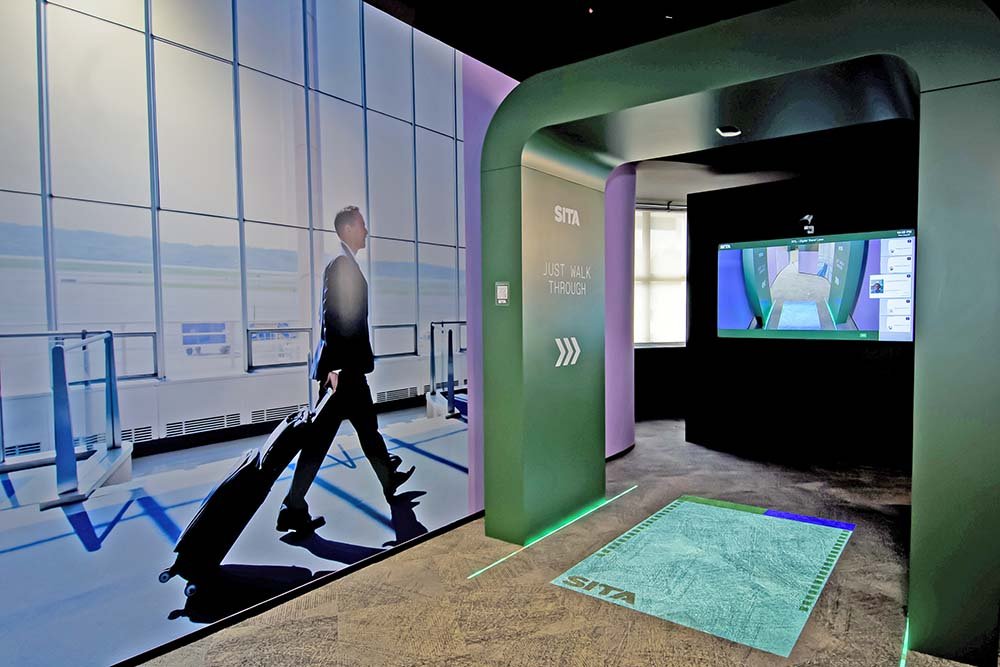

For border officers, that changes where their attention is needed. More than 75% of travellers can be cleared before departure, so officers spend their time on the important cases that need a closer look. They keep the ability to stop anyone at any point, with a fuller picture of who is arriving and why.
For airports and border agencies, it creates capacity in a different way. Every traveller who keeps moving instead of stopping frees up space for the next traveller. More travellers can move through existing immigration halls, reducing pressure on infrastructure and helping airports accommodate growth within the space they already have.
The operational impact extends beyond faster processing. Border Flow Lane is designed to improve throughput without compromising security, privacy, traveller choice or government oversight. Travellers choose to enroll and use authorised biometric data, while border agencies retain full control of identity verification and border decisions. We make sure efficiency does not come at the expense of trust.
For travellers, the outcome is simple: less stopping, fewer interruptions and more time getting where they want to be.






