


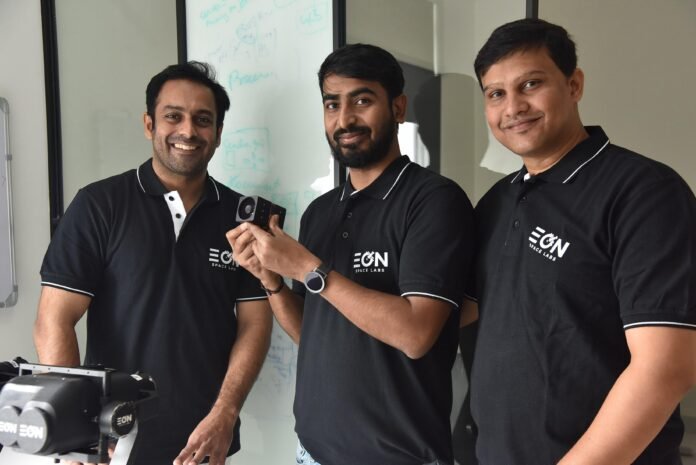
New Delhi / Hyderabad: Deep-tech startup EON Space Labs has launched an indigenously developed ultra-lightweight Germanium-free EO and infrared imaging system designed for advanced aerial Intelligence, Surveillance, and Reconnaissance (ISR) missions. Lumira_E40I50 was designed and engineered to eliminate reliance on germanium, a critical mineral for defence electronics and long-wave infrared imaging.
Designed and manufactured in India, Lumira bypasses the global germanium supply chain, riddled by ongoing export restrictions and price volatility. India is currently 100% import dependent, and geopolitically motivated trade restrictions have caused prices to shoot more than 3 times since mid-2023.

“We made a deliberate decision early to design and engineer a germanium-free infrared imaging system. By eliminating any dependence on its use for thermal imaging, we’ve developed a system that’s resilient not only to supply chain disruptions but also enables scalable, cost-effective domestic manufacturing,” said Sanjay Kumar, Co-founder of EON Space Labs.
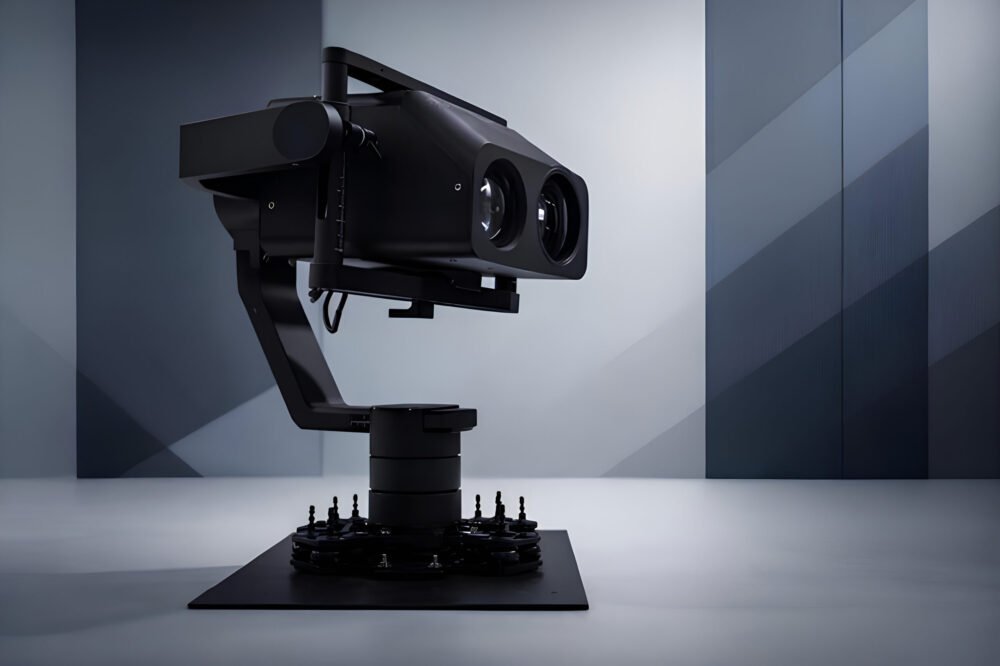
Lumira delivers real-time Edge AI detection and classification capabilities that can detect humans from a distance of up to 2 kms and vehicles at 8 kms. The complete suite includes 40X optical zoom, a long-wave infrared (LWIR) thermal sensor, and gimbal. Weight as per specs ranges from 800g to 2.2kg, making it suitable as a plug and play payload for compact UAVs, drones, aerostats and eVTOLS. Engineered to MIL-STD-810H standards, Lumira is capable of performing in extreme temperatures from -20°C to +55°C.
“Lumira is much easier to manufacture domestically at scale and has global export potential. The future of military-grade imaging relies on innovations that combine advanced performance, mission endurance, and payload flexibility, with a zero-compromise mindset on technological sovereignty,” added Punit Badeka, Co-founder of EON Space Labs.

The ongoing conflict in the Middle East has forced Israel, accounting for almost 15% of India’s defence imports, to temporarily halt critical exports that include missiles, UAVs, radars, sensors, electro-optics and EW systems.
EON Space Labs is also readying the launch of a ground-based ISR platform, named Raven, by mid-2026, to address the present-day reality of asymmetric warfare, driven by the threat of loitering munitions and kamikaze attack drones.







