


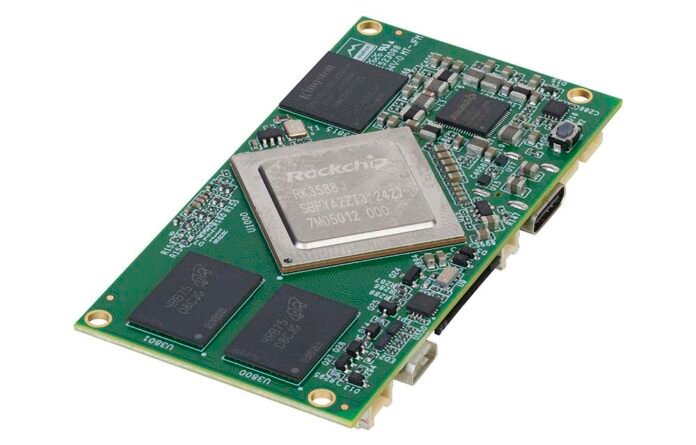
Tel Aviv: Israeli company Maris-Tech unveiled the Uranus-Drones-V2, an advanced onboard video and AI processing platform designed to enhance the operational capabilities and autonomy of unmanned aerial vehicles (UAVs), including platforms used for intelligence, surveillance and reconnaissance (ISR), target tracking and loitering munition applications.
According to the company, Uranus-Drones-V2 enables UAVs to process video, analyse visual data and generate actionable intelligence in real time directly onboard the aircraft, without relying on ground-based processing. By integrating advanced AI capabilities with the UAV’s autopilot, the system can translate visual intelligence into flight commands, enabling the aircraft to respond autonomously to detected targets and changing mission conditions.

Uranus-Drones-V2 simultaneously processes and fuses video feeds from up to eight cameras, including day and night sensors, with support for four ultra-high-definition (UHD) inputs. This advanced multi-sensor capability provides comprehensive situational awareness, enabling UAVs to monitor their surroundings and process visual information in real time.
Delivering more than 30 tera operations per second (TOPS) of AI processing performance, Uranus-Drones-V2 combines advanced computing capabilities with low size, weight and power (SWaP) requirements, enabling integration into UAV platforms where onboard computing resources are limited.
Already in production and integrated into customer platforms, Uranus-Drones-V2 builds on Maris-Tech’s experience supplying video processing solutions across thousands of operational deployments.
“UAV autonomy is increasingly driven by the ability to understand the surrounding environment and act on that information in real time,” said Israel Bar, CEO of Maris-Tech. “Uranus-Drones-V2 brings together advanced onboard AI, simultaneous multi-sensor processing and direct autopilot integration, enabling UAVs to move beyond video collection toward autonomous, intelligence-driven operations. We believe this combination of capabilities, delivered in such a compact platform, represents a significant advancement for next-generation unmanned systems.”


-The writer is an Israel-based freelance journalist. The views expressed are of the writer and do not necessarily reflect the views of Raksha Anirveda





