


Vertical Aerospace said on November 12 that the British Standards Institution (BSI) had awarded it AS9100 certification, following a year-long programme to strengthen quality practices across the business. The Bristol-based company said the certification covers its quality-management system across design and production. It believes it is the first eVTOL developer to achieve the standard; that “first” claim is the company’s, rather than an independently verified industry-wide ranking.
The announcement is significant because the certification assesses how an organisation manages quality, not whether a particular aircraft has been certified to fly. AS9100, developed by the International Aerospace Quality Group, builds on ISO 9001 with additional requirements for aviation, space and defence organisations. The standard is intended for use throughout aerospace supply chains and emphasises consistent processes across organisations.

Vertical’s certification followed an independent assessment by BSI. The company says the result provides assurance about the processes, facilities, suppliers and teams involved in its future aircraft production and delivery. It may also help the company pursue commercial opportunities where AS9100 certification is a qualification requirement. The award does not, by itself, constitute regulatory approval of an aircraft or establish that the company’s planned aircraft is ready for commercial service.
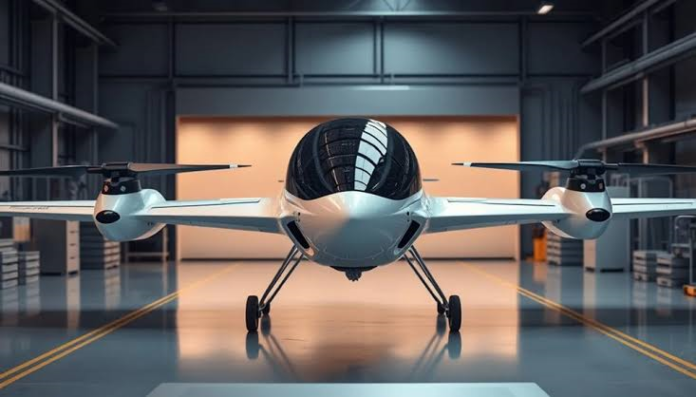
The company is developing Valo, a piloted electric vertical take-off and landing aircraft. Vertical’s website describes the aircraft as targeting a range of up to 100 miles and a cruise speed of 150 miles per hour. The company has said it has around 1,500 pre-orders from customers across four continents, including American Airlines, Avolon, Bristow, GOL and Japan Airlines. Some customer obligations are expected to be fulfilled through third-party agreements, according to the company.
The certification comes as Vertical prepares to move from aircraft development towards manufacturing and regulatory compliance. In September 2026, it opened an Aircraft Assembly Centre at its Flight Test Centre at Cotswold Airport. The company said the new centre would provide capacity to build aircraft for compliance demonstration and verification testing as it works towards a target of achieving type certification in 2029. It has also outlined plans to retrofit a prototype for hybrid-electric flight testing in the first half of 2027. These milestones remain company targets, not completed approvals or operations.
The certification adds a quality-management credential to that industrialisation effort. Aerospace customers and prime contractors often require suppliers to demonstrate robust quality processes, and certification can help qualify a company to compete for work. The standard’s supply-chain focus is particularly relevant for an aircraft developer that must coordinate design, production, supplier oversight and traceability. However, certification should not be confused with aircraft safety approval: it recognises the audited management system, while aircraft certification involves separate technical and regulatory assessments.

Vertical chief executive Stuart Simpson said the company was applying the same standard used by established manufacturers such as Airbus and Boeing. BSI’s global head of aerospace and defence assurance, Giancarlo Silvestri, called the certification an important step in the company’s development as an aerospace manufacturer, adding that it could give airline customers and operating partners greater confidence in its quality-management foundations.
The next challenge is execution. Vertical must continue developing Valo, demonstrate compliance with applicable aviation requirements and establish a repeatable production system. The AS9100 award supports the quality-management side of that effort, but it does not remove the technical, regulatory and commercial hurdles facing new aircraft programmes. The company’s stated 2029 type-certification goal and its plans for further testing will be key markers of progress.

For the broader eVTOL sector, Vertical’s announcement highlights how companies are building the organisational systems needed to support eventual production, not just developing aircraft prototypes. If the certification helps the company meet supplier and customer requirements, it could strengthen its position as it seeks to convert pre-orders into future deliveries. The commercial outcome, however, will depend on successful aircraft certification, manufacturing readiness and the development of viable operating markets.







