



The changing nature of modern warfare is placing technology at the centre of national security and defence preparedness. Unmanned Aerial Systems, once primarily associated with surveillance and survey, are now emerging as critical tools in modern military operations. From intelligence gathering and border monitoring to precision operations and logistics, these systems are transforming how defence forces assess threats, make decisions and respond to evolving battlefield conditions.
For India, this transformation is especially significant. With complex border environments, changing regional security dynamics and the need to strengthen indigenous defence capabilities, the development of advanced unmanned systems is becoming an important part of the country’s long-term defence strategy. In the coming years, we expect the integration of AI and automated systems with local manufacturing to significantly impact the business industry.

Artificial Intelligence is greatly extending what unmanned aerial vehicles can do beyond just being remote-controlled systems. AI-enabled systems can process large volumes of aerial data, identify patterns, support object recognition, and assist operators in making faster, more informed decisions
AI and Automation: Redefining the Capabilities of Unmanned Systems
Artificial Intelligence is greatly extending what unmanned aerial vehicles can do beyond just being remote-controlled. AI-enabled systems can process large volumes of aerial data, identify patterns, support object recognition, and assist operators in making faster, more informed decisions. When integrated with automation, these capabilities allow drones to perform complex tasks with greater efficiency and reduced dependence on continuous human intervention.
Multiple unmanned platforms can coordinate their activities, cover larger operational areas and undertake coordinated surveillance missions. Such capabilities could prove particularly valuable in border surveillance, search and rescue operations and monitoring sensitive installations.
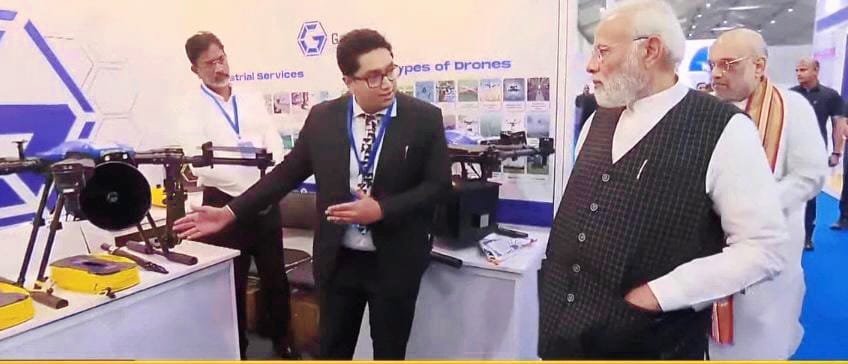
Despite these innovations, it is important to implement appropriate levels of human control over AI systems to mitigate unintended negative consequences of an accidental or malicious release of such systems.

India’s Defence Ecosystem: The Growing Importance of Indigenous Innovation
India’s defence modernisation is increasingly centred on building domestic capabilities and reducing dependence on imported technologies. The growing emphasis on Aatmanirbhar Bharat, alongside initiatives such as Innovations for Defence Excellence (iDEX), has created opportunities for startups, MSMEs, research institutions and established manufacturers to contribute to the country’s defence technology ecosystem.
The future of unmanned systems will extend well beyond aerial surveillance. Their applications are expected to expand across intelligence, logistics, disaster response, electronic warfare support, border security, and tactical operations
Recent developments indicate a clear shift towards strengthening indigenous unmanned and counter-unmanned capabilities. The Indian Air Force’s Unmanned and Autonomous Systems Roadmap reflects the importance being placed on building a layered, networked and indigenous ecosystem. It also highlights the need to improve drone engines, autonomous software, navigation systems, and technology that allows different platforms to work together seamlessly.

Equally important is developing domestic manufacturing capabilities across the entire UAS value chain. While assembling drone platforms is an important starting point, long-term competitiveness will depend on building expertise in critical components such as flight controllers, sensors, navigation systems, batteries, communication modules, and AI-based software.

Beyond Surveillance: The Expanding Role of UAS in Modern Defence
The future of unmanned systems will extend well beyond aerial surveillance. Their applications are expected to expand across intelligence, logistics, disaster response, electronic warfare support, border security, and tactical operations.
Drones can help deliver essential supplies, monitor remote areas and reduce the risks faced by defence personnel. At the same time, as the use of drones increases, the need for systems that can detect, track and stop unauthorised or hostile drones is also growing. Developing these counter-drone technologies will be just as important as advancing drone capabilities.
India’s focus must go beyond drone production to building a strong indigenous ecosystem through investment in R&D, local manufacturing, skilled talent, and collaboration between the government, armed forces, and private industry
The growing integration of drones with broader defence networks will also be significant. Connected systems combining satellite imagery, ground-based intelligence, radar and real-time aerial inputs can provide a more comprehensive operational picture. This interconnected approach will enable defence forces to improve situational awareness and coordinate responses more effectively.
The Way Forward: Building a Future-Ready Defence Ecosystem
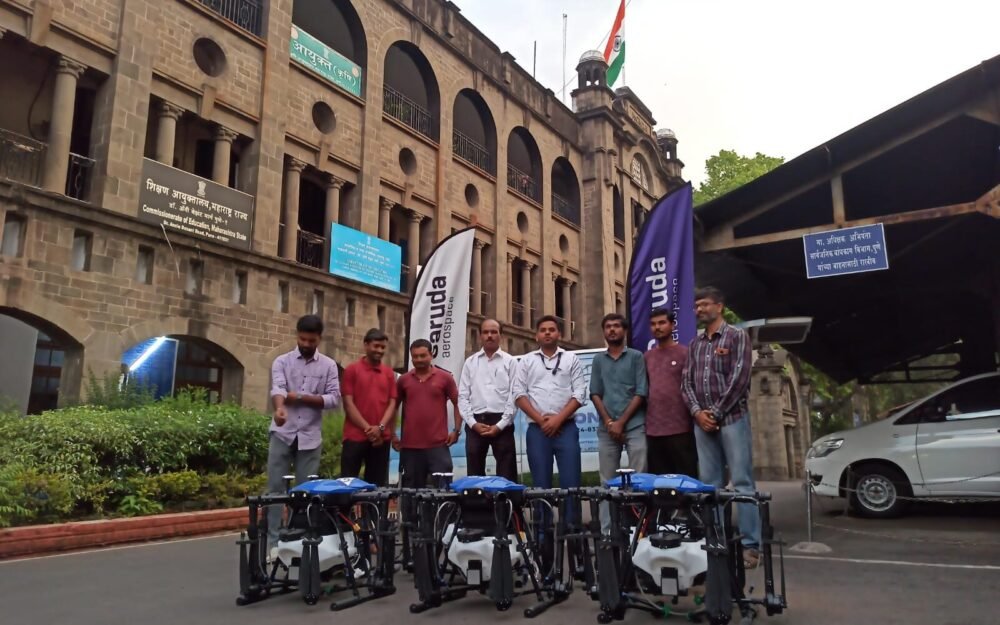
India’s focus must go beyond drone production to building a strong indigenous ecosystem through investment in R&D, local manufacturing, skilled talent and collaboration between the government, armed forces and private industry.
Equally important is ensuring safety, cybersecurity and responsible use of AI. As defence technologies continue to evolve, India must focus on developing systems that are reliable, adaptable and ready for future challenges.
Ultimately, India’s defence preparedness will depend on its ability to innovate, manufacture and deploy advanced unmanned systems at scale.

The writer is Founder and CEO, Garuda Aerospace