


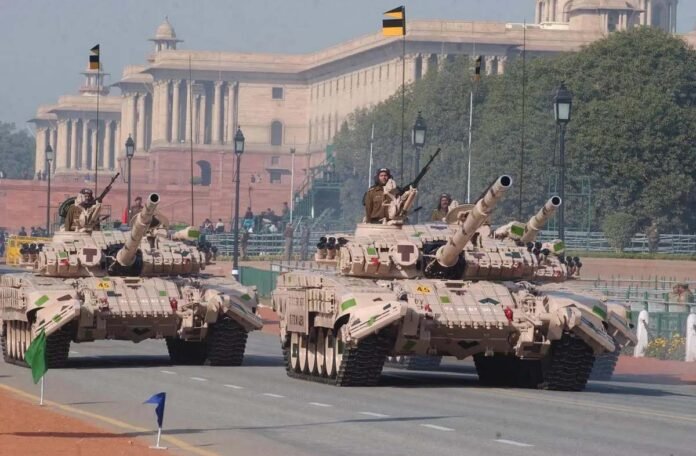
New Delhi: The Indian Army is looking to micro, small and medium enterprises (MSMEs) and start-ups to supply parts needed to keep combat systems operational, as defence public-sector undertakings (PSUs) struggle to meet some requirements. The move reflects a practical supply-chain challenge: a military platform is only as ready as its access to reliable replacement components.
The report points to a broader effort to identify domestic manufacturers for items that may be difficult to obtain through existing channels. It does not provide a public list of the spares involved, identify particular suppliers or set out the scale and timeline of potential orders. Those details matter: bringing a small firm into the defence supply chain requires more than finding a capable workshop. Components must meet military specifications, pass testing and be available in dependable quantities.

India has previously sought to reduce delays and import dependence in military spares. Earlier reporting described Army discussions with about 80 MSMEs on producing smaller components for weapons systems, alongside an effort to lower the share of imported spares. That initiative underscored the potential contribution of smaller manufacturers, while also highlighting the scale of the task: replacing established overseas supply chains requires sustained production, quality assurance and coordination with platform operators.
The current approach builds on a defence innovation ecosystem that already connects government programmes with private firms. The Innovations for Defence Excellence initiative, or iDEX, supports start-ups, MSMEs, individual innovators and research institutions developing defence technologies. A government update said that by March 2026, iDEX had engaged 676 start-ups, MSMEs and innovators, and 551 design-and-development contracts had been signed. These figures show an expanding innovation pipeline, though they do not indicate how many participants supply operational spares to the Army.
The Technology Development Fund offers another route for industry participation, supporting development of defence technologies, particularly by start-ups and MSMEs. The government says it provides grants of up to ₹50 crore for eligible projects. Such programmes can help firms develop products and demonstrate technical capability, but moving from development to regular supply requires separate qualification, procurement and production arrangements.
For the Army, the attraction of a broader supplier base is resilience. Domestic sources may help reduce exposure to long delivery times, overseas disruptions and the limited availability of parts for older or specialised equipment. A wider pool of suppliers could also make it easier to manufacture components in smaller batches or adapt designs to specific requirements. These benefits depend on whether firms can meet stringent reliability standards and maintain production over time.

There are hurdles. Defence components can require specialised materials, precision manufacturing and extensive testing. Smaller firms may need access to drawings, technical standards and testing facilities, as well as clarity on expected order volumes. Without predictable demand, investing in equipment and certification can be difficult; without qualified vendors, the Army cannot rely on new sources for mission-critical parts. The transition therefore calls for careful technical evaluation and sustained engagement between the services, public-sector suppliers and private industry.
The effort does not necessarily mean that PSUs will be replaced. Public-sector firms remain central to India’s defence production and maintenance network. Instead, the reported shift suggests the Army is seeking additional capacity where existing suppliers cannot fully meet demand. MSMEs and start-ups could serve as specialist vendors or sub-contractors, complementing larger manufacturers rather than displacing them.

The key test will be whether supplier interest converts into certified parts delivered consistently to Army units. A broader domestic base could improve maintenance planning and reduce dependence on narrow supply channels, but only if procurement, testing and quality controls keep pace. The Army’s outreach signals intent; its impact will be measured in dependable spares reaching the equipment that needs them.







