


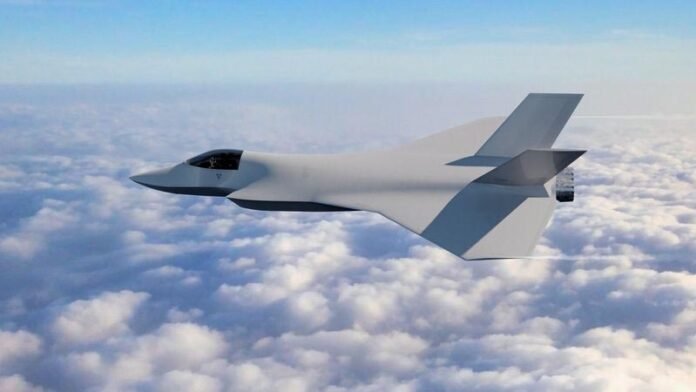
In a significant diplomatic and defence milestone, India has officially joined as a “dialogue partner” in the tri-nation sixth-generation fighter jet initiative. Jointly spearheaded by the United Kingdom, Japan and Italy, the multinational effort – popularly known as the “Tempest” project or Global Combat Air Programme – represents the pinnacle of next-generation military aviation.
The new designation follows extensive bilateral discussions between New Delhi and London under the ambitious “India-UK Vision 2035” framework. As a dialogue partner, India will not immediately act as a direct co-developer or buyer. Instead, the status grants Indian defence officials and military strategists a seat at the table to hold structured discussions regarding the project’s technical progress, operational concepts and emerging airborne capabilities.

The Tempest initiative received a massive boost after securing $6.1 billion in funding to transition into its full-scale design phase, targeting operational induction by 2034. Sixth-generation platforms are defined by advanced stealth features, artificial intelligence integration, unmanned teaming capabilities and decision-superiority sensor suites designed to overwhelm modern radar networks.
For India, this partnership serves as a crucial learning curve as global air power rapidly evolves.The Indian Air Force currently operates fourth-generation platforms like the indigenous Tejas while actively designing its own fifth-generation jet, the Advanced Medium Combat Aircraft (AMCA), expected to enter service around 2035. Access to high-level discussions around the Tempest initiative will help Indian defence planners bridge key technological gaps, especially as global rivals push forward with their own advanced combat prototypes.
The move underscores deepening defence industrial roadmaps between India and Western partners, reinforcing New Delhi’s strategic intent to stay aligned with the future of international military aviation.






