


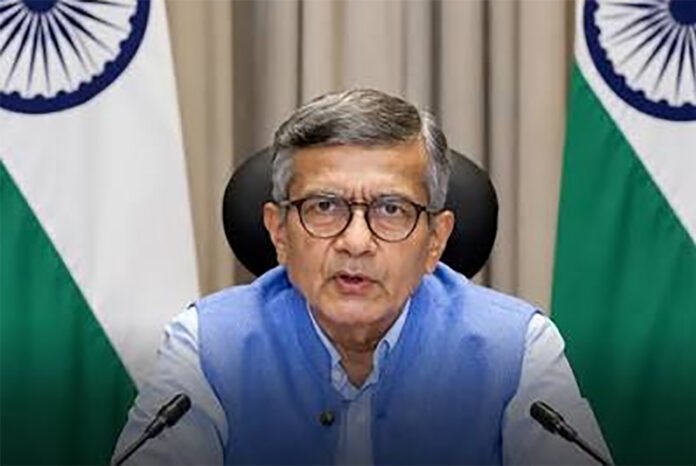
The proposed increase would build on a sharp rise in the defence capital budget for 2026-27. The Union Budget set aside ₹2.19 lakh crore for capital spending, about 22% above the previous year’s Budget Estimate of ₹1.8 lakh crore, according to Singh’s remarks at the Federation of Indian Chambers of Commerce and Industry’s annual convention. The request signals continued pressure to expand investment in equipment, technology and domestic production.
Singh cautioned, however, that a larger allocation alone would not solve the ministry’s procurement challenge. “The issue is not getting the budgetary outlays. You need to spend it,” he said, stressing the need to sign and fulfil contracts before taking on fresh commitments. The ministry has signed contracts worth around ₹80,000 crore so far this financial year, and more than ₹2 lakh crore in each of the previous two years, he said.

The distinction between funding and execution matters because major defence purchases can take years to negotiate, contract and deliver. Singh said the ministry wants to sustain a record pace of contracting, while sending industry clearer signals about future demand. Larger, more predictable orders could help manufacturers, including micro, small and medium-sized enterprises, plan investment and production capacity, he said.
The spending push also comes as India seeks to strengthen its domestic defence industry and reduce reliance on imports. Singh said international conflicts had created new opportunities for Indian manufacturers, particularly in Europe, while global rearmament was increasing demand for military equipment. India, he argued, should move beyond its standing as one of the world’s largest arms importers and become a major exporter.
That ambition faces a measurable target. The government aims to reach ₹50,000 crore in defence exports, but Singh said the deadline could slip, with the goal potentially achieved a year later than planned. India exports equipment to around 80 countries, with products ranging from artillery guns to bulletproof jackets, according to his remarks.
A key industrial milestone is approaching in military aviation. Singh said the government expects to name the winner of the Advanced Medium Combat Aircraft programme in about a month. A private company or private-sector-led consortium will lead the project, potentially with a public-sector partner. The selected group is expected to establish the country’s first private-sector-led fighter-aircraft production line, initially for prototypes.

The programme’s structure reflects a wider effort to draw private firms into complex defence manufacturing. In 2025, Singh outlined a longer-term ambition of annual defence capital spending of $25-30 billion over the following decade, with at least 75% of that expenditure directed to domestic industry. He identified areas such as artificial intelligence, hypersonics, drones, space capabilities and precision weapons as priorities for future investment.
The coming budget process will test whether the government can match those ambitions with funds and faster procurement. Singh’s remarks make clear that the ministry is seeking both: a higher capital allocation and improved conversion of approved spending into signed contracts, deliveries and industrial capacity. For defence companies, the size of the eventual budget will matter, but so will how quickly and consistently the ministry places orders.








