


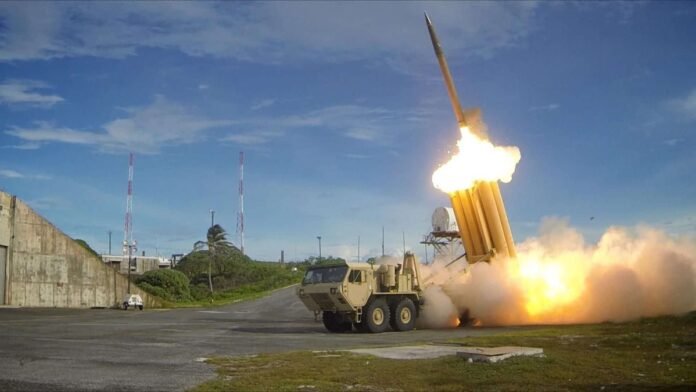
Significant lessons are emerging about the changing nature of warfare based on the use of UAS (Unmanned Aerial Systems) in ongoing conflicts. These include imaginative use of UAS, which impacted movement on the battlefield as well as the supply of logistics in the Ukraine war. Ukraine’s most innovations are to find answers to shortfalls in manpower on the battlefront. Use of mechanised columns by Russia has almost come to a standstill. Russia, in addition to using UAS, also employed missiles targeting infrastructure and the civilian population across Ukraine. There are reports that Ukraine is developing its own ballistic missiles, capable of targeting Moscow, which could be inducted into operations by the end of the year.
Ukraine has developed its unique anti-UAS system termed Sky Map, which includes a command-and-control software dashboard, with integrated acoustic sensors and radar data, based on AI, to spot and disrupt mass drone attacks. This has been deployed in many Middle East nations, including Saudi Arabia, the UAE, Qatar, Kuwait and Jordan during the Iran war. They are also being utilised by the US. These offset the use of costly missiles to target cheaper drones. Every nation, including India, is working on similar development.

Even the US-Iran conflict has been air-dominated, with the US employing air power and missiles while Iran responds with missiles and UAS, as its airpower has been largely destroyed. Despite weeks of bombing, the war has witnessed no end, with negotiations faltering. US President Donald Trump’s comments on ongoing negotiations, threatening immense strikes and that the Straits of Hormuz is open, carry little weight. The stalemate continues, while global oil prices fluctuate after Trump’s comments. The war has now shifted to the economic domain.
Russia, in addition to using UAS, also employed missiles targeting infrastructure and the civilian population across Ukraine. There are reports that Ukraine is developing its own ballistic missiles, capable of targeting Moscow, which could be inducted into operations by the end of the year
In the Ukraine conflict, the current strategy adopted by the Ukrainian military is to target Russia’s population, its oil infrastructure and warehouses of Wildberries, Russia’s largest online retailer, with the intention of forcing Putin to the negotiating table, due to economic constraints. Ukraine has thus far reduced Russia’s refining capabilities by almost 40%, with fuel pumps restricting the sale of oil. There have been civilian casualties in Russia due to Ukrainian strikes.
As per Mykhailo Podolyak, an adviser to Ukrainian President Volodymyr Zelenskyy, the attacks are designed to disrupt military supplies, create discontent among the population, and impact the Russian economy by putting pressure on banks which have provided loans to Wildberries. It is hoped that this could push Russia to negotiate. Russia recently ousted its chief economic advisor of the national development bank for mentioning that the Russian economy was being damaged by the Ukraine war.
In July alone, Russia launched 376 missiles and over 5000 drones on Ukraine. Lack of interceptors implied most missiles hit their targets. Russia is moving from attrition warfare to coercive state degradation, wearing down civil endurance. As winter approaches, the targeting may shift to critical infrastructure, causing anger and unrest among the population. No nation has criticised Russia or Ukraine for deliberately targeting civilians or infrastructure, which in reality constitutes war crimes, legitimising the same for future conflicts.

The next lesson is that nations must possess capabilities to mass-produce UAS and cheaper counter-UAS capability. Employing costly missiles to target cheaper UAS is not the long-term solution. Missiles, especially hypersonic, with accuracy, are the future of warfare. As in Op Sindoor, they can cause damage to strategic assets. Countering them is equally essential
As per reports, Russia is working on producing 1000 drones a day and 100 ballistic missiles a month, way above the interceptors being provided by the West to Ukraine, most of which are being diverted to the Middle East. Both sides have placed riders for negotiations, especially as the frontlines remain stable with hardly any movement. Both have been targeting cities, causing civilian casualties.
While Europe largely stands behind Ukraine, providing it the resources it can, North Korea is firmly behind Russia. North Korean troops, artillery shells and missiles are being dispatched to Russia. Russia’s current drone industry grew largely from Iran’s Shaheed drones.

Warfare is also shifting from land to maritime and the economy. Ukraine targets Russian merchant shipping, its Black Sea fleet and energy infrastructure employing sea drones and missiles. Russia counters with strikes on Ukrainian ports, grain terminals and merchant vessels. The casualties are largely seafarers from multiple nations, again innocent victims.
Odesa, which Russia has been targeting, impacts Ukraine’s military logistics and economy. Russia’s campaign on Odesa picked up pace coinciding with the harvest season. Attacks on merchant shipping have driven up global wheat prices. Ukraine has made an offer to Russia to stop attacks on civilian ships. Russia has yet to respond.
A similar action is happening in the Strait of Hormuz. Iran blocks it for global shipping, while the US prevents the movement of ships from Iranian ports. Ships that ignore Iranian directions are targeted. In addition, Houthis are preventing Saudi ships from reaching the Bab al-Mandab Strait and the southern Red Sea. They are utilising drones and missiles to target Saudi vessels and their oil infrastructure.
Population centres and industries will be legitimate targets in future wars. The silence of the world on attacks on population centres and infrastructure has legitimised this. This implies that air defence needs far greater emphasis and integration than before. Ultimately, battles will be won by nations whose population displays resilience and stands together
The first lesson emerging from reliance on drones and missiles is that these weapons may hold current frontlines, but they will never end a conflict, nor bring about negotiations or surrender. Ukraine can never bring Russia to the negotiating table, but it would impose caution. Similarly, Russia cannot force Ukraine to give up territory it demands solely by an aerial battle, though it can impact national morale by targeting energy infrastructure before winter.
The next lesson is that nations must possess capabilities to mass-produce UAS and cheaper counter-UAS capability. Employing costly missiles to target cheaper UAS is not the long-term solution. Missiles, especially hypersonic, with accuracy, are the future of warfare. As in Operation Sindoor, they can effectively cause damage to strategic assets. Countering them is equally essential.
The role of ground troops as the final deciding factor in a conflict will not change, despite any quantum of technology, especially where territory is disputed. However, the manner of their usage will change. They would need to be far more dispersed and protected from UAS, with operations launched over a vast area. No adversary will be able to cover the entire battle space with UAS aimed at degrading land operations.
Population centres and industry linked to the economy will be legitimate targets in future conflicts. The silence of the world on attacks on population centres and infrastructure has legitimised this for future wars. This implies that air defence needs far greater emphasis and integration than before. Ultimately, the battle will be won by nations whose population displays resilience and stands together.

The writer is a strategic analyst and a motivator. He can be reached at @kakar_harsha. The views expressed are of the writer and do not necessarily reflect the views of Raksha Anirveda





