


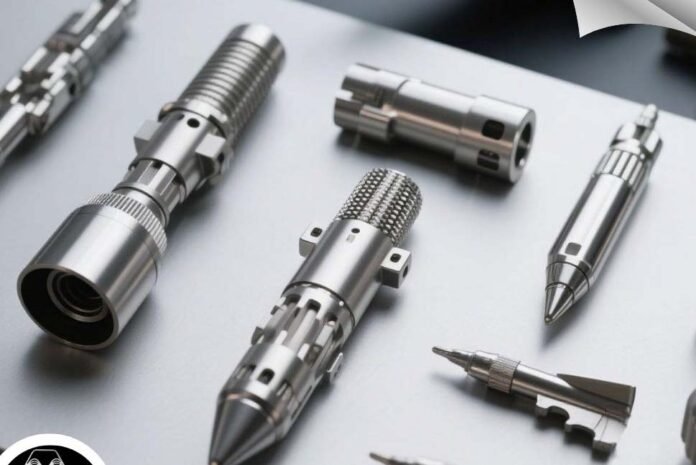
India’s push for defence self-reliance is shifting from assembling platforms to mastering core metallurgy. In the draft of the upcoming Defence Acquisition Procedure (DAP) 2026, the Ministry of Defence (MoD) is actively evaluating a robust incentive architecture designed to reward defence contractors who source indigenous military-grade raw materials, components, and Line Replaceable Units (LRUs).
This policy pivot aims to transform India’s defence sector from a model of cosmetic localisation to one of verified industrial depth, insulating the country’s armed forces from vulnerable global supply chains.

Shifting from “Made in India” to “Owned by India”
For years, Indian defence manufacturing relied heavily on importing specialised raw materials – such as titanium alloys, aviation-grade aluminum, and armour steel – only to assemble the final platforms locally. DAP 2026 seeks to dismantle this dependence.
The draft framework introduces structured, percentage-linked financial rewards and credit points during commercial evaluations. Under the newly proposed rules, vendors utilising certified domestic military materials can claim a distinct advantage in L1 (lowest bidder) price discovery mechanisms.
The overhaul introduces strict, legally enforceable criteria:
- The 60% Benchmark: The baseline Indigenous Content (IC) mandate for the critical Buy (Indian-IDDM) category has been raised from 50% to 60%, with a strict 30% floor required right at the trial stage.
- The Audit Trial: To eliminate superficial value addition, the Ministry has designed a tiered accounting architecture. Vendors must present clear, auditable traceability chains to prove that their raw materials or software did not merely undergo packaging loops abroad.
Incentivising the Supply Chain
The strategic core of the reform lies in Clause 27.9 of the draft document. This clause outlines the exact roadmap for rewarding technology absorption. By providing clear financial cushioning, the MoD expects to offset the traditionally high development costs that local private foundries and startups face when setting up specialised metallurgical infrastructure.

Beyond raw materials, the draft tightly integrates Technology Readiness Levels (TRL) directly into procurement decisions. This ensures that technologies developed via indigenous platforms like iDEX or DRDO are guaranteed initial orders of up to ₹75 crore, providing immediate market viability to domestic innovators.
Ultimately, the proposed revisions within DAP 2026 challenge the domestic defence industry to innovate deeper. By systematically linking financial competitiveness to the usage of indigenous steel, titanium, and domestic intellectual property, India is laying down the structural foundation necessary to secure its long-term strategic autonomy.







