


Tel Aviv: The west is closely following Iran’s efforts to build an operational and capable air force. These efforts were met with big obstacles.
According to Iran international, the website operated from London by the opposition to the regime in Tehran, Iran’s pursuit of advanced warplanes from its ally Russia to modernise its ageing fleet has faced numerous hurdles, plunging the regime into a state of uncertainty.

While Iran recently took delivery of a batch of Russian-made Yakovlev Yak-130 pilot training aircraft, these light jet trainers fall far short of the twin-engine, super manoeuvrable air superiority Russian fighters, like the Sukhoi Su-35, which Iran had been seeking for years.
According to the website, for a considerable time, Iran had been making announcements about the imminent delivery of Su-35 fighter jets. However, the hopes of acquiring these advanced aircraft were dashed when Iran’s Defence Minister confirmed in July that the deal had collapsed.
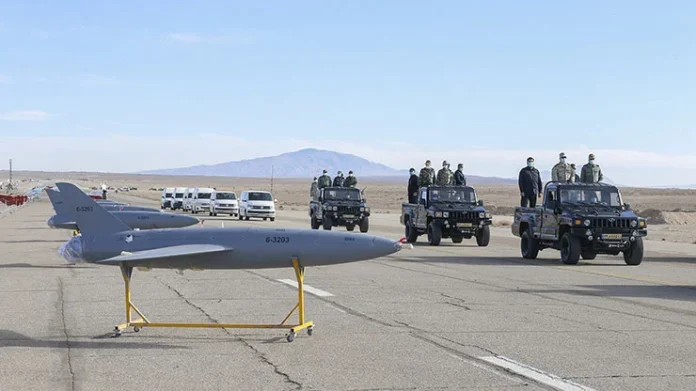
Moreover, Iran’s claims of domestic production capabilities for such fighters have yet to materialise. While Iran has supplied Russia with kamikaze drones for its war on Ukraine, these efforts have led to several rounds of sanctions against the Iranian regime.
Paradoxically, Moscow has been unwilling to sell modern fighter jets or advanced aerial warfare systems to Iran. This reluctance stems from a range of concerns, including geopolitical considerations and regional stability.

According to the website, one primary factor contributing to Russia’s hesitancy to supply Iran with high-tech fighter jets is the absence of bargaining leverage on Iran’s part. Iran’s economic challenges, compounded by international sanctions, have limited its ability to secure favourable terms for such purchases.
On a similar note, China has refrained from providing Iran with high-tech fighter jets, as Beijing is wary of potential US retaliation. What’s more, China is known to be cautious about jeopardizing its own programs, as it seeks to profit from weapons deals.


-The writer is an Israel-based freelance journalist. The views expressed are of the writer and do not necessarily reflect the views of Raksha Anirveda





