


New Delhi: Hindustan Aeronautics Limited (HAL) has inaugurated India’s first indigenous high‑thrust engine test bed at its Koraput Division in Odisha, while also extending the Total Technical Life (TTL) of the AL‑31FP turbofan engine from 2,000 to 2,500 hours and delivering the first upgraded engine to the Indian Air Force (IAF).
This dual achievement strengthens India’s aerospace self‑reliance and ensures greater operational readiness for the Su‑30MKI fleet.

HAL’s Koraput Division has become the focal point of India’s aero‑engine innovation. The commissioning marks the establishment of a fully indigenous high‑thrust engine test bed, a facility that allows India to independently validate, certify, and sustain advanced fighter engines without relying on foreign infrastructure.
This milestone is particularly significant as it supports the Su‑30MKI fleet, which forms the backbone of the IAF’s combat capability.
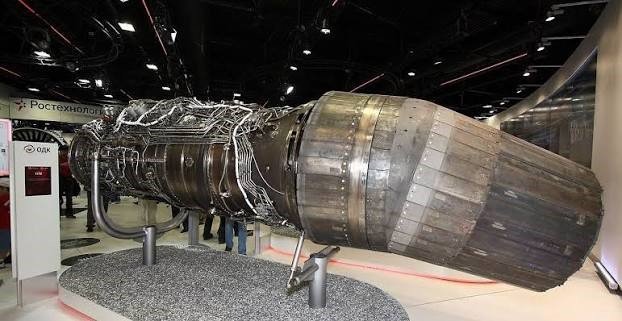
The AL‑31FP turbofan engine, manufactured under licence at Koraput, powers more than 260 Su‑30MKI aircraft in service. By extending the TTL from 2,000 to 2,500 flying hours, HAL has effectively increased the lifespan of each engine by 25 percent.
This reduces the frequency of major overhauls and replacements, lowering lifecycle costs and enhancing fleet availability. The first upgraded engine incorporating these modifications was formally handed over to the IAF in January 2026, setting the baseline for future deliveries under the enhanced maintenance programme.

The operational impact of this initiative is substantial. Engines can now remain in service longer before reaching their certified operational limit, which directly translates into reduced downtime and improved mission readiness.
For the IAF, this means higher sortie generation rates and greater combat availability of frontline Su‑30MKIs. The reduction in overhaul cycles also eases logistical burdens, allowing maintenance resources to be allocated more efficiently across the fleet.

HAL’s achievement follows extensive engineering evaluations, testing, and validation during the overhaul process. By certifying the increased technical life domestically, HAL has demonstrated its growing capability in maintaining and upgrading complex aero‑engines within India.
This reduces dependence on foreign original equipment manufacturers and strengthens indigenous maintenance, repair, and overhaul (MRO) capabilities.
The PRAJWALAN test bed itself represents a leap in India’s aerospace infrastructure. It provides HAL with the ability to conduct high‑thrust engine trials, performance assessments, and endurance testing under controlled conditions.
This facility will not only support the AL‑31FP but also future indigenous engine development programs, including advanced turbofan and turbojet projects under the Defence Research and Development Organisation (DRDO). It aligns with India’s long‑term strategy to achieve technological sovereignty in aero‑engine design and sustainment.
This initiative complements HAL’s broader indigenisation roadmap for the AL‑31FP engine. Under a ₹26,000 crore contract signed in 2024, HAL is manufacturing 240 AL‑31FP engines with increasing indigenous content, targeting over 63 percent localisation.
The Koraput Division has already delivered its 1,000th overhauled AL‑31FP engine, underscoring its role as a critical hub for sustaining the Su‑30MKI fleet. The digital reconstruction of the engine and aggressive indigenisation of nearly 1,000 components further reinforce India’s aerospace self‑reliance.
Strategically, the Su‑30MKI is expected to remain in frontline service well into the 2030s and beyond, undergoing multiple capability upgrades including indigenous weapons integration, advanced avionics, and modern electronic warfare systems.
Extending engine life complements these upgrades by ensuring the aircraft remain operational without premature engine replacement. The new hi-tech facility and TTL extension thus form part of a holistic approach to sustain the Su‑30MKI fleet until at least 2070.
The combined effect of facility commissioning and the TTL extension is a significant boost to India’s defence ecosystem.
It enhances fleet readiness, reduces maintenance costs, strengthens indigenous testing infrastructure, and aligns with national indigenisation goals under the Aatmanirbhar Bharat initiative.
For the IAF, it ensures that its frontline fighters remain combat‑ready with reliable, domestically supported propulsion systems.







