


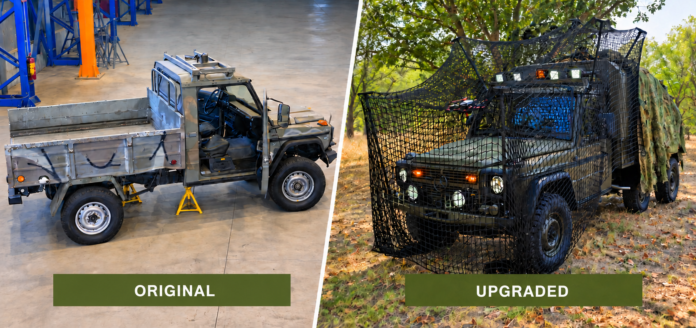
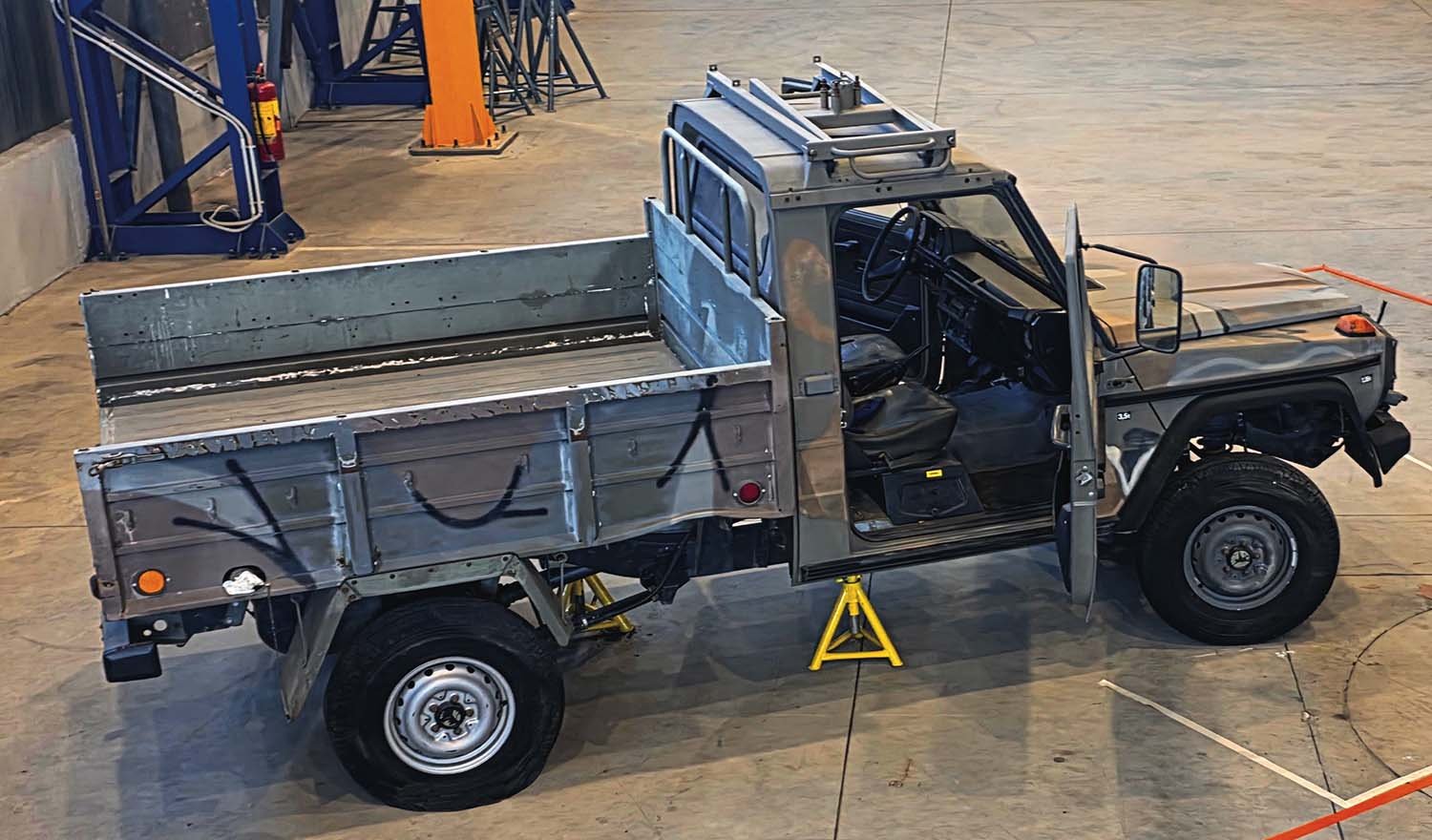
Thessaloniki, Greece: ELVO – Hellenic Vehicle Industries, Greece’s foremost manufacturer of specialised military and civilian vehicles, demonstrated a new approach to military fleet modernisation, showcasing the first modernised Mercedes G-Class vehicles as part of an ongoing effort to transform the Greek Army’s 30-year-old vehicles into modern combat assets.
This model demonstrates how armed forces can introduce modern capabilities without replacing an entire fleet, using advanced technology and engineering to extend the operational life of existing vehicles while maximising the value of investments already made. By retaining vehicles with proven platforms and upgrading them with modern systems, protection, mobility and functionality, militaries can pursue a more cost-efficient path to fleet modernisation while maintaining operational continuity.

ELVO’s approach combines the foundation of an existing vehicle with modern vehicle propulsion, situational awareness, communications and operator-supported technologies. The model reflects an evolving approach to military vehicle modernisation, enabling existing fleets to be continuously upgraded as technology and battlefield requirements change rather than replaced wholesale.
“ELVO is redefining what military vehicle modernisation can deliver,” said ELVO General Manager Antonis Vitetzakis.
“By combining our deep engineering expertise with the latest technologies, we can bring existing fleets into the modern era, combining decades of operational service with new capabilities while maximising the value of investments our customers have already made. This is the kind of innovation that strengthens military capability, extends the value of existing assets and positions ELVO at the forefront of next-generation vehicle solutions,” he added.

ELVO previously supplied more than 10,000 Mercedes 290GD and Mercedes 240 vehicles and over 12,000 Steyr trucks, as well as armoured vehicles such as the LEOPARD tank and LEONIDAS FPV, to Greece and Cyprus, giving the company decades of firsthand knowledge of the vehicles, their design and their operational requirements. That experience gives ELVO a unique foundation for modernising similar fleets operated by armed forces worldwide.
The modernisation encompasses a comprehensive transformation of the vehicles to meet today’s operational requirements. This includes a new engine and automatic transmission to improve performance and ease of operation, along with electric air conditioning and a completely redesigned interior featuring ergonomic, adjustable seats with suspension and armrests. Additional enhancements include an integrated intercom system, USB ports and phone connectivity, cup holders and compact refrigerators.

The vehicles also receive significantly enhanced situational awareness and visibility, including 360-degree camera systems that provide day and night views around the vehicle. All existing vehicle lighting has been replaced with LED systems, supplemented by additional exterior lighting to improve visibility during operations.
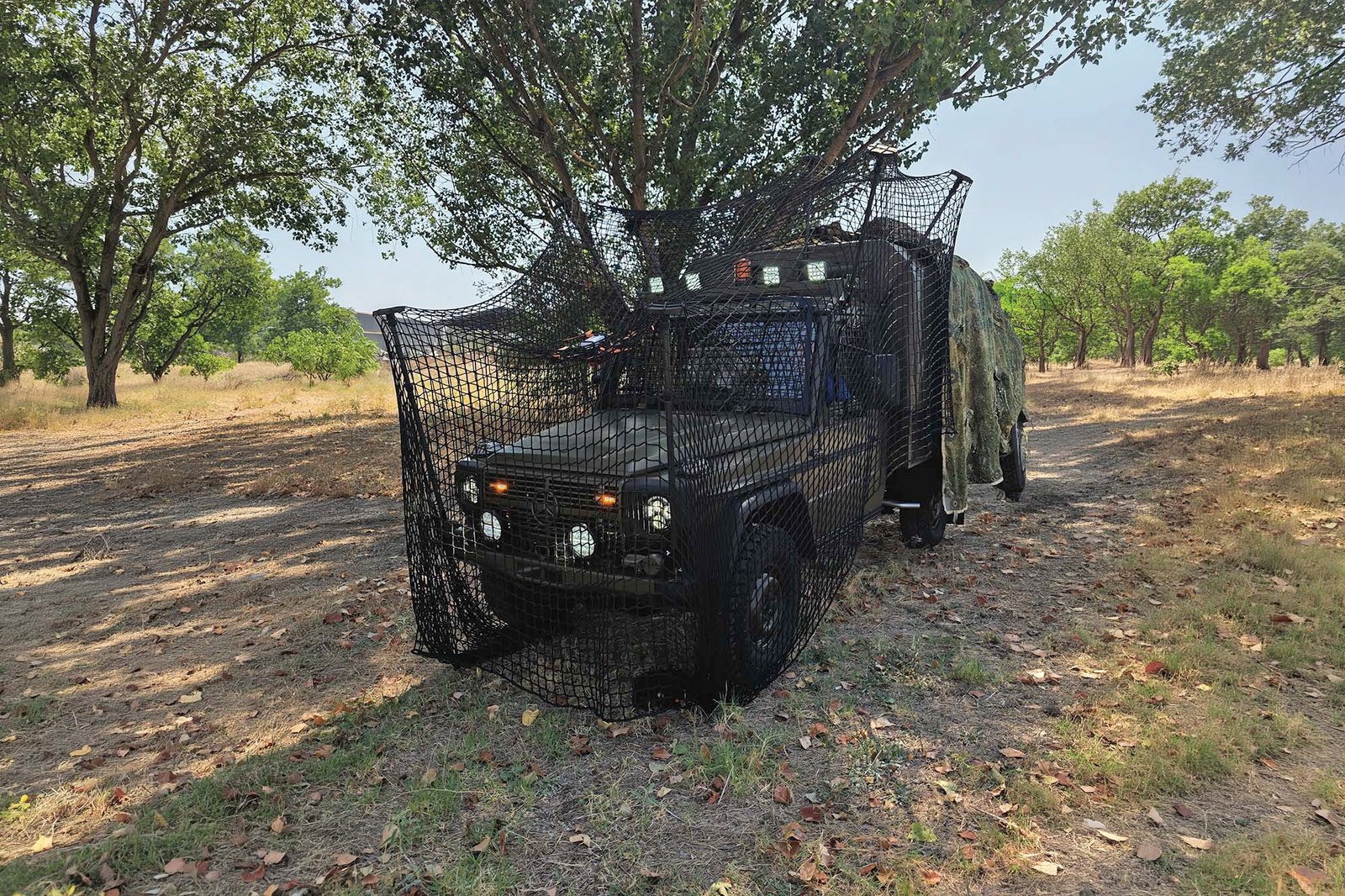
Protection has been upgraded to address today’s threats to military vehicles. The modernised vehicles feature an anti-drone protection net, thermal and visual camouflage, anti-riot protection for the windshields and unbreakable mirrors. The vehicles are produced in accordance with MIL-STD (Military Standard) requirements and can also be configured to accommodate weapon systems, producing additional flexibility for different mission requirements.
The solution is fully manufactured in Greece, using Greek technology, engineering expertise, skilled personnel and ELVO’s domestic manufacturing facility. Through its industrial activity and technical expertise, ELVO is helping transform Thessaloniki and the surrounding region into a defence technology hub for Southern Europe, creating a base for producing advanced vehicle modernisation capabilities for Greece and markets across Europe.
This modernisation model points to a new approach to military vehicle fleets, where fleet upgrades are an ongoing process rather than a one-time replacement. For armed forces managing large vehicle inventories, this offers them a way to introduce new capabilities as technology and battlefield requirements evolve, while extending the service life and value of vehicles already in operation.






