


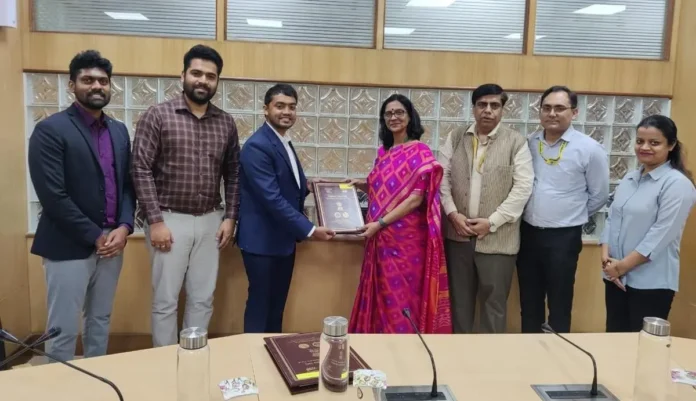
The Defence Research and Development Organisation (DRDO) has awarded Zupple Labs a project to develop security analysis and auditing standards for blockchain applications intended for defence use. The project, titled “Security Analysis and Auditing of Blockchain,” comes under DRDO’s Technology Development Fund (TDF), with the organisation’s Scientific Analysis Group designated as the nodal laboratory, according to the report.
The assignment focuses on a practical obstacle to adoption: how to assess whether a blockchain system meets the security requirements of a defence or government deployment. Zupple Labs co-founder and chief executive Neil Kevin Martis says that defence agencies could begin exploring blockchain for multiple applications in coming years, but lacked a standard framework to evaluate systems before they are put into service.

One potential application is supply-chain tracking, which could help agencies follow items as they move across the country. Defence supply chains and other public-sector operations may involve sensitive records, equipment, permits and logistical information. Martis said agencies could use private blockchains configured for internal operations rather than public networks; proposed systems would still need to undergo standard tests before commissioning.
The project’s intended output is a standardised way to assess and grade blockchain applications against defence requirements. The available report does not specify the funding amount, timetable, detailed testing methods or the final format of the standards. Those details will matter in determining how the framework can be applied across different systems and use cases.
The assignment follows a DRDO TDF call for proposals on “Security Analysis & Auditing of Blockchain Networks.” A notice inviting detailed project reports listed October 14, 2025 as the submission deadline, placing the Zupple Labs award within a programme that solicits industry participation to address defined technology needs.
The need for formal assessment is consistent with broader institutional discussions about blockchain. A United Nations Joint Inspection Unit review found that blockchain initiatives across the UN system were still largely experimental, with benefits requiring further testing. It also noted that policies and standards could reduce legal uncertainty and help organisations manage risks while exploring the technology.

Blockchain’s tamper-resistant records are often presented as a way to support shared verification. But a defence-grade assessment cannot rest on that characteristic alone. A system’s security also depends on its wider design and operation, including who can access data, how identities are authenticated, how information is stored and managed, and how the application is administered. The proposed audit framework could help make those considerations more consistent across evaluations.
Zupple Labs develops blockchain-based trust infrastructure for governments and institutions. Its applications are used to secure and authenticate records such as land documents, educational credentials, identities, permits and work orders, according to the report. The company operates in four countries, linking its existing work in public records and institutional services to the new assignment’s focus on security evaluation.

The award also brings a Mangaluru startup into a strategic technology project. Zupple Labs is one of 10 startups in the city’s Bolpu accelerator cohort, a year-long programme offering funding, mentorship, market access and advisory support, the report said. Dakshina Kannada MP Capt Brijesh Chowta congratulated the company, describing the project as a contribution to blockchain security and India’s cybersecurity capabilities.
The next stage will be the development of the analysis and auditing framework in coordination with DRDO’s Scientific Analysis Group. Its usefulness will ultimately depend on the criteria it establishes, the consistency of testing and how well its assessments reflect the operational needs of defence agencies. Further details on the standards and potential applications have not yet been reported.







