


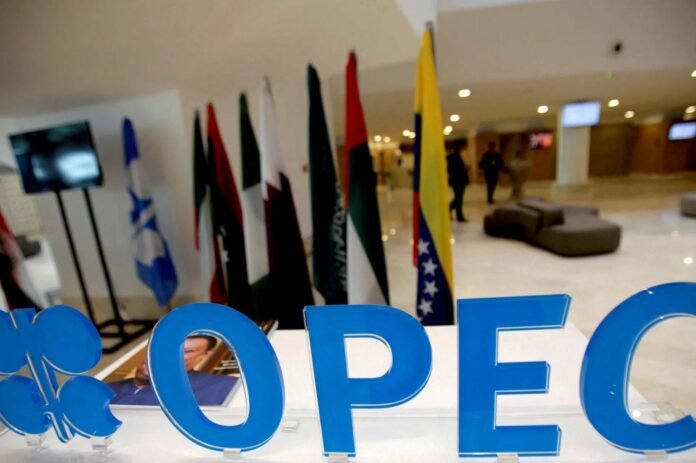
The United Arab Emirates has made a bold move by announcing its intention to leave both OPEC and the wider OPEC+ alliance, effective from May 1, 2026. After nearly 60 years as a member — joining back in 1967 through Abu Dhabi — the UAE is stepping away to focus on its own national interests. This decision comes as a big surprise to many in the oil world and marks a major shake-up for the group that has long controlled much of the world’s oil supply. For India, a country that depends heavily on imported oil to keep its economy running, this change could bring real long-term benefits, even if things feel uncertain right now. The exit weakens OPEC’s grip on global oil prices and opens the door for more flexible production from one of the top oil producers.
Understanding OPEC and OPEC+
To understand why this matters, it helps to know what OPEC and OPEC+ are. OPEC, or the Organisation of the Petroleum Exporting Countries, started in 1960 as a group of oil-producing nations working together to set production levels and influence prices. It now has 12 members, with Saudi Arabia as the leader. OPEC+ is a larger group that includes OPEC and 10 other countries, such as Russia, formed in 2016 to cut output during tough times and keep prices stable. Together, they have controlled about 40% of the world’s oil supply at times. The UAE was a key player, producing around 3.4 million barrels of oil per day before the latest crisis, roughly 3% of global crude output. But it has the capacity to pump much more — up to 4.85 million barrels per day now, with plans to hit 5 million by 2027. By leaving these organisations, the UAE has freed itself from strict production quotas that often held it back.

Why the UAE Chose to Exit
The main reason for the UAE’s exit is its desire for greater control over its own oil. For years, the country has pushed for higher quotas inside OPEC because it invested heavily in expanding its fields and wants to sell as much as possible. Tensions with Saudi Arabia, the group’s de facto boss, grew over these limits. The UAE argued that quotas did not match its growing capacity or the world’s rising energy needs. Now that the decision has been made, the UAE can set its own output levels without waiting for group approval. This is not a sudden fight — it built up over time — but the timing feels dramatic because of the ongoing war with Iran, which has blocked the Strait of Hormuz and disrupted oil flows from the Gulf. Still, the UAE says this is a strategic step for its long-term vision, not tied only to the current chaos.
The UAE’s exit does not change things overnight, as exports remain stuck. But once shipping normalises, the move could add real supply to the market. Experts estimate the UAE could ramp up by 1 million barrels per day or more without OPEC rules holding it back. This extra oil would act as a safety valve, helping balance global supply and demand
Oil Market Under Pressure from the Iran Conflict
Right now, the world oil market is already under huge pressure from the Iran conflict. The blockade of the Strait of Hormuz — a narrow sea lane that carries about one-fifth of global oil — has disrupted supplies and pushed prices sharply higher. Brent crude, the main benchmark, has climbed to around $105-$115 per barrel, far above the $70-$80 range seen before the war. The UAE’s exit does not change things overnight, as exports remain stuck. But once shipping normalises, the move could add real supply to the market. Experts estimate the UAE could ramp up by 1 million barrels per day or more without OPEC rules holding it back. This extra oil would act as a safety valve, helping balance global supply and demand.
How the Exit Weakens OPEC’s Power
For the broader oil industry, the UAE’s departure is a blow to OPEC’s power. The group will shrink to 11 members, and its ability to coordinate cuts or increases in output will weaken. OPEC+ has already lost members like Qatar and Ecuador, but the UAE is much bigger — its exit removes about 12% of OPEC’s recent production. Some analysts worry this could spark a chain reaction, while others question the group’s future. On the flip side, it might make the oil market more competitive and responsive to real demand, rather than cartel decisions. Prices could face downward pressure in the medium term as more oil flows freely. This shift also hints at the UAE’s closer alignment with flexible producers outside the group, including the United States, which has become a top oil power through its own shale boom.
India’s Heavy Reliance on Imported Oil
Now, turning to India, this report carries special weight. India is the world’s third-largest oil consumer, using about 5.5 to 5.8 million barrels per day. Sadly, it imports 85 to 90% of that — around 5 million barrels daily — because its own fields produce only a small share. Every year, India spends huge sums on these imports, often $150 to $200 billion or more, depending on prices. A $1 rise in oil price per barrel adds roughly $2 billion to the annual import bill, while a $10 jump can cost an extra $14 to $16 billion. High prices also fuel inflation, hitting everything from transport and food to factory costs, and they widen the current account deficit, putting pressure on the rupee.

For the broader oil industry, the UAE’s departure is a blow to OPEC’s power. The group will shrink to 11 members, and its ability to coordinate cuts or increases in output will weaken. OPEC+ has already lost members like Qatar and Ecuador, but the UAE is much bigger; its exit removes 12% of OPEC’s production
Strong Ties with the UAE as a Key Supplier
The UAE has been a trusted and important supplier for India. In April 2026 alone, India imported about 619,000 barrels per day from the UAE, accounting for around 10 to 14% of its total crude imports. That is a steady flow of affordable oil from a close partner, thanks to short shipping distances that keep freight costs low compared to buying from faraway places like Latin America or even parts of Africa. The two countries already have strong ties through trade deals, including plans for rupee-based oil payments that save on dollar needs. With the UAE now free from quotas, it can produce and sell more oil directly to buyers like India. This could mean better prices, longer-term contracts, and more reliable supplies without the old cartel limits getting in the way.
Short-Term Challenges and Long-Term Gains for India
In the short term, India may not feel much relief because the Iran war keeps prices high, and some Gulf shipments are blocked. Fuel costs at petrol pumps and for truck diesel could remain elevated for weeks or months. But the argument for long-term gains is strong. More UAE oil on the market should help soften global prices once the Strait of Hormuz reopens. Even a modest drop of $5 to $10 per barrel would save India billions each year, easing the import bill and giving the government room to cut fuel taxes or subsidies. Lower prices would also cool inflation, support faster economic growth, and help industries like aviation, road transport, and manufacturing. India has already diversified its suppliers — buying more from the US, Russia, and Brazil — but the UAE’s greater flexibility strengthens this mix and reduces the risk from any single cartel decision.

The UAE has been a trusted oil supplier for India, the world’s third-largest oil consumer, using 5.8 million barrels per day. India imports 90% of that, 5 million barrels daily. Every year, India spends huge sums on these imports, often $200 billion. A $1 rise in oil price per barrel adds $2 billion to the annual import bill, while a $10 jump can cost an extra $16 billion
Potential Risks and India’s Smart Way Forward
Critics might point out risks. If other OPEC members react by pumping more to compete, it could spark a price war and extra volatility. Geopolitical tensions in the Gulf remain high, and any new disruptions could offset the benefits. India must also keep pushing its own renewable energy and domestic exploration to cut import dependence over time. Yet the overall case is positive: the UAE’s move tilts the oil game towards consumers rather than producers. By breaking from rigid quotas, the UAE signals a more market-driven future, which plays to India’s advantage as a big buyer. Stronger bilateral links with the UAE — already a key partner in everything from investments to defence — could lead to even deeper energy cooperation, such as joint storage or refining projects.
A Changing Oil Order and India’s Bright Future
Looking wider, this exit highlights how the old oil order is changing. Non-OPEC producers like the US and Brazil now hold more sway, and demand from Asia keeps growing. For India, it reinforces the need for smart diplomacy and energy strategy. The government can use this moment to lock in favourable deals with the UAE and accelerate green transitions to shield against future shocks. In simple terms, fewer cartel controls mean more choices and potentially cheaper energy, which fuels jobs, growth, and better living standards.
The global oil order is changing; non-OPEC producers, including the US and Brazil, now hold more sway, and demand from Asia keeps growing. For India, it reinforces the need for smart diplomacy and energy strategy. In simple terms, fewer cartel controls mean more choices and potentially cheaper energy, which fuels jobs, growth, and better living standards
Conclusion
The UAE’s departure from OPEC and OPEC+ is a historic step that reshapes global energy politics. While the world watches for short-term ripples from the Iran war, the bigger picture points to increased supply and more competitive pricing ahead. For India, this is mostly good news — a chance to lower costs, secure steady supplies from a friendly neighbour, and ease the heavy burden of oil imports. With smart planning, India can turn this shift into real economic strength, proving once again that in energy matters, flexibility and partnerships matter more than old alliances. The coming months will test this, but the data and trends suggest a brighter path for one of the world’s fastest-growing economies.

The writer is an independent researcher. The views expressed are of the writer and do not necessarily reflect the views of Raksha Anirveda





