


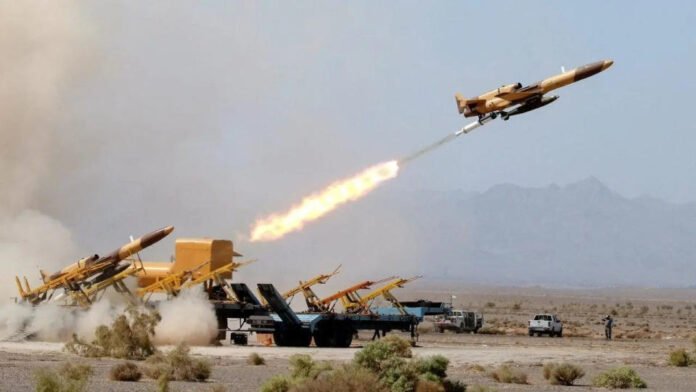
Washington: Citing the growing threat of unmanned systems in the air, on land and at sea, the Pentagon unveiled a new, whole-of-department strategy to shore up counter-drone defences in the near term and to more thoroughly design future forces to fend off autonomous threats.
“These threats are changing how wars are fought,” the Pentagon said in the strategy’s announcement. “By producing a singular Strategy for Countering Unmanned Systems, the Secretary and the Department are orienting around a common understanding of the challenge and a shared approach to addressing it.”

The strategy is classified, but its broad strokes were outlined in an unclassified fact sheet provided by the Pentagon. Calling for a “campaign mindset,” the document sets out five pillars, or “strategic ways,” that the DoD intends to tackle the unmanned threat across different domains at home and abroad.
Pointing to conflicts in Ukraine and the Middle East as well as an attack on an American installation in Jordan that killed three American service members in January, the DoD recognises an “increasingly urgent and seemingly enduring threat that unmanned systems are posing to our people, to our facilities and to our assets overseas,” a senior defence official told reporters in a briefing ahead of the strategy’s release.
“The real sort of emphasis of the strategy is to say, as we’re taking on the effects of unmanned systems, we need to think about this temporally,” the official said, who spoke on condition of anonymity.
In the near term, the official said the strategy will focus on boosting counter-drone capabilities with “a particular emphasis on detection,” including by ensuring installations have the active and passive defences they need. Looking ahead, the strategy intends to “mak[e] sure that we’re developing and designing our future force to reduce vulnerabilities and increase resilience to threats,” the official said.

As other Pentagon officials explained at a recent set of counter-UAS tests dubbed Falcon Peak, convened in the wake of hundreds of drone incursions over DoD installations on US soil, the drone threat can look very different in the homeland — not just because systems in question tend to be small, hobbyist drones, but also because policy constraints can limit commanders’ ability to respond.

Raksha Anirveda's editorial desk team brings in the collective experience of creative professionals - a fine mix of senior copy editors, writers, proofreaders and designers. Working as a team, they continuously create, manage, and curate content to sustain the magazine's profile and reputation in line with market trends and achieve magazine's goal.






