


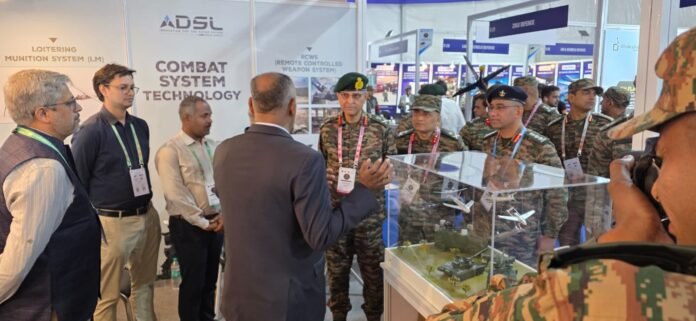
North Tech Symposium 2026 reinforced an important reality about India’s defence ecosystem: the future of indigenous capability will not be shaped by isolated innovation alone, but through stronger alignment between operational requirements, industry capability, and long-term strategic intent.
The symposium, themed “Raksha Triveni Sangam,” brought together the armed forces, defence industry, policymakers, and technology stakeholders on a common platform. In many ways, it reflected the direction in which India’s defence ecosystem is evolving today, from capability creation towards capability validation, deployment, sustenance, and integration.

Over the last few years, the conversation around Aatmanirbhar Bharat in defence has matured significantly. Earlier, the focus was largely on indigenous development. Today, the focus is no longer limited to just building platforms. There is equal emphasis on operational readiness, lifecycle support, rapid deployment capability, and systems that can continue to perform reliably in demanding environments. I think that transition is significant, because modern defence preparedness is not defined only by what gets manufactured, but by how effectively those systems can be sustained and deployed in real operational scenarios.
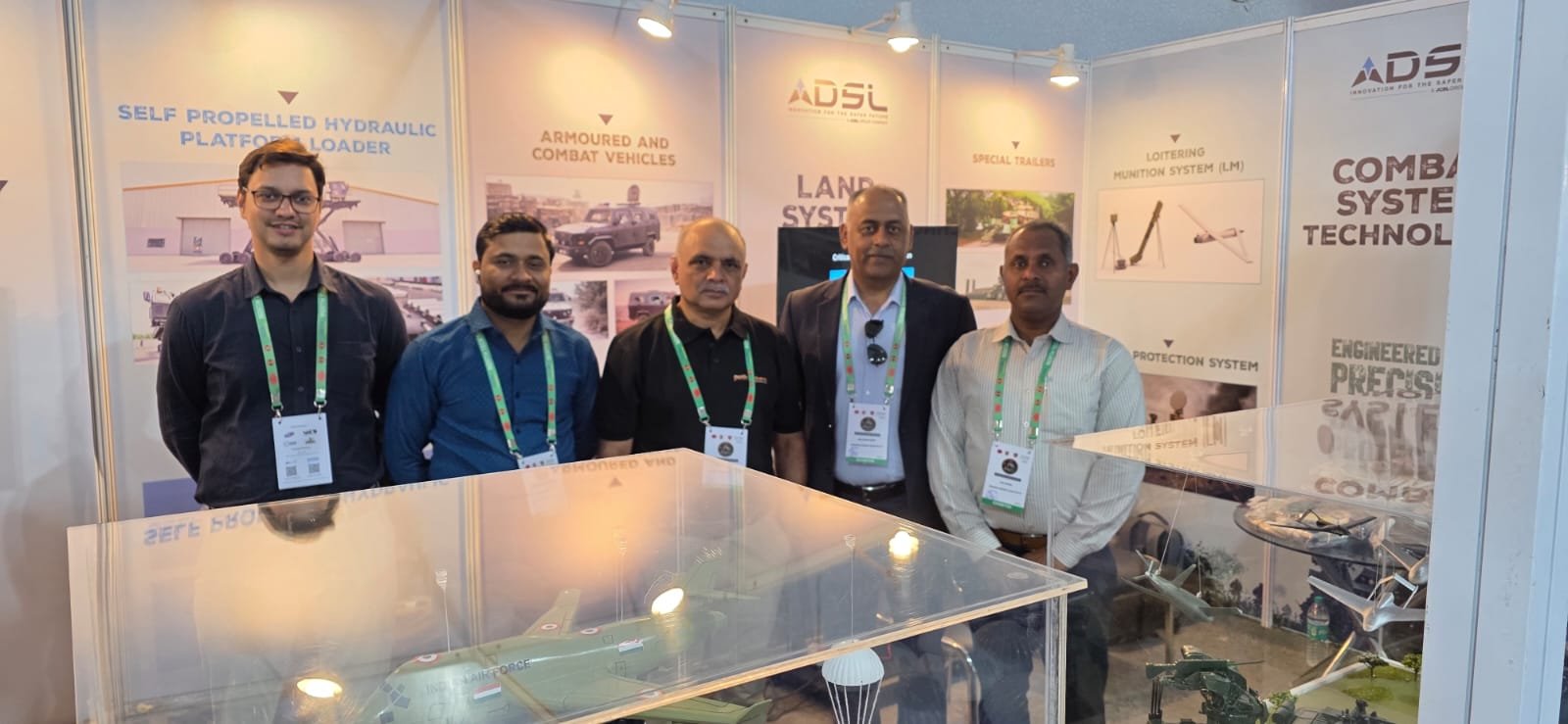
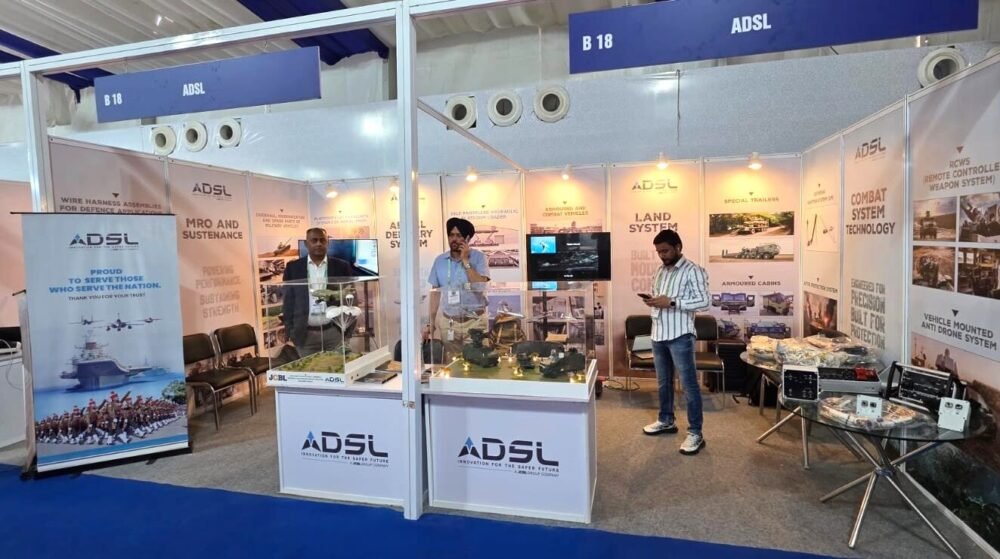
At ADSL, the defence division of JCBL Group, this shift is very closely reflected in the areas we are prioritising. At the symposium, we showcased a range of indigenous systems aligned with the emerging operational requirements of the armed forces. These included anti-drone systems developed to address evolving UAV threats, Remote Controlled Weapon Systems (RCWS) designed to enable stand-off engagement capabilities while reducing crew exposure, and the Advanced 28-ft Heavy Drop System (20T, Type V), built for rapid aerial induction of heavy equipment and vehicles in high-altitude and demanding terrains.
Alongside this, we also presented our armoured vehicle solutions, upgrade programmes, and MRO capabilities for T-72-based systems and Tatra vehicles, which continue to remain important operational assets for the Indian Army. We also showcased supporting infrastructure solutions such as containerised parachute drying facilities, as part of a broader approach towards airborne operational readiness and long-term sustainment.

One of the most important takeaways from the symposium, in my view, was the growing national emphasis on lifecycle sustenance and indigenous MRO capabilities. Across the defence ecosystem, there is increasing recognition that long-term operational readiness cannot depend entirely on external OEM support, particularly for ageing and legacy platforms. This creates an important opportunity for Indian industry.
Over the last few years, the conversation around Aatmanirbhar Bharat in defence has matured significantly. Earlier, the focus was largely on indigenous development. Today, the focus is no longer limited to just building platforms. There is equal emphasis on operational readiness, lifecycle support, rapid deployment capability, and systems that can continue to perform reliably in demanding environments
Today, India’s defence sector is entering a phase where the focus is gradually shifting from platform replacement towards lifecycle expansion, operational availability, and indigenous maintenance ecosystems. Areas such as T-72 and Tatra platform upgrades, Mi-17 support systems, and repair ecosystems for critical components represent not only capability gaps, but also opportunities for Indian companies to contribute meaningfully. The growing policy push towards outsourcing MRO activities to industry is also an encouraging sign for the sector.

Another important trend visible at the symposium was the growing convergence of technologies across multiple domains. Simulation and training technologies, defence electronics, Counter-UAS systems, command-and-control integration, mobility platforms, and battlefield survivability solutions are increasingly becoming interconnected. This convergence will play a defining role in the next phase of defence modernisation.
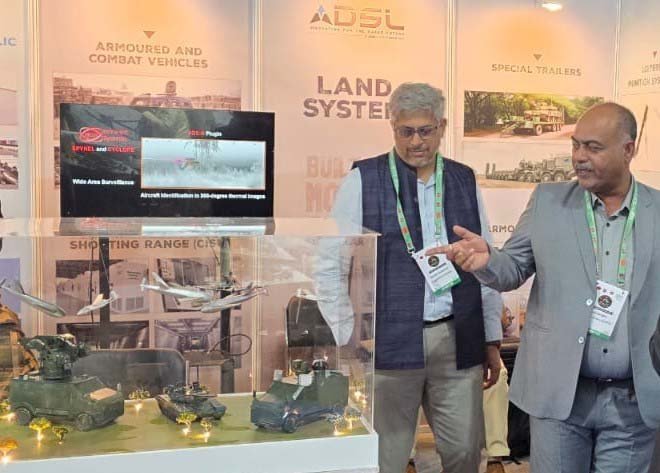
At ADSL, we see our future positioning within this integrated ecosystem. Our focus is not limited to standalone products, but increasingly towards system integration, lifecycle support, and operationally deployable solutions. By combining JCBL Group’s manufacturing capabilities with ADSL’s strengths in defence mobility, survivability, aerial delivery systems, and defence electronics, we are building an ecosystem that supports not only new platforms, but also modernisation and sustenance of existing systems.
Equally important is the role of partnerships. Collaboration between industry, armed forces, DRDO, MSMEs, startups, and global technology partners will be critical for achieving the long-term vision of Viksit Bharat 2047. India’s defence ecosystem today is witnessing greater openness towards co-development, technology integration, and strategic partnerships, including international collaborations.
One of the most important takeaways from the symposium, in my view, was the growing national emphasis on lifecycle sustenance and indigenous MRO capabilities. Across the defence ecosystem, there is increasing recognition that long-term operational readiness cannot depend entirely on external OEM support, particularly for ageing and legacy platforms
In my view, platforms like North Tech Symposium play an important role because they bring together the user, the developer, the policymaker, and the industry on a common ground. These engagements help create better alignment between operational challenges and technological capability, while also encouraging knowledge exchange and future collaboration.
Ultimately, the future of India’s defence sector will depend not only on how much we manufacture within the country, but on how effectively indigenous systems can support real operational needs across their entire lifecycle. The journey towards self-reliance is now entering a more mature and execution-focused phase and that is where Indian industry has an opportunity to make a lasting contribution.

The writer is Joint Managing Director, ADSL - a JCBL Group Company





