


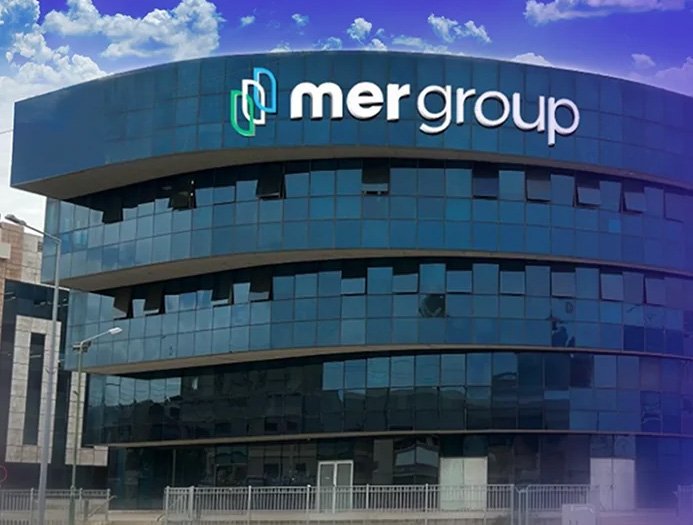
Tel Aviv: A wholly owned subsidiary of Israeli MER Group has signed a binding framework agreement for cooperation with a leading defence company in India.
Under the agreement, the company will develop advanced AI-based Counter-UAS (Counter-Unmanned Aircraft Systems) solutions for the Indian customer’s clients, including the Indian Army and other customers.

Upon signing the agreement, the company received an order for the first binding phase of the project, worth approximately $6 million. The phase includes the development, integration, supply and support of the systems. The expected profitability of this phase is in line with the company’s customary profitability levels for similar military technology projects. Subsequent phases of the agreement and cooperation include technology transfer and local manufacturing in India, subject to the receipt of required approvals and the execution of detailed agreements.
Avi Shechter, Chief Executive Officer of MER Group, said, “This engagement represents a significant milestone in expanding our global defence activities and entering the Indian market – a strategic target market with substantial growth potential. The growing threat posed by unmanned aircraft underscores the need for advanced AI-based Counter-UAS solutions, and this agreement demonstrates international recognition of the technological capabilities within the Group and the quality of our integration expertise in developing complex solutions.”
He added, “The initial $6 million order adds to our growing order backlog, and we look forward to deepening our cooperation and establishing local manufacturing in India as part of the next phases of this agreement, as well as expanding the Group’s global presence in leading defence markets.”
Earlier this week, MER Group reported its financial results for the second quarter of 2026, showing revenue growth, a significant increase in net profit and a record order backlog of approximately NIS 972 million, including framework agreements. The results reflect the business transformation processes underway at the company and strong demand for its solutions. The significant order backlog provides substantial business visibility for the remainder of the year.


-The writer is an Israel-based freelance journalist. The views expressed are of the writer and do not necessarily reflect the views of Raksha Anirveda





