


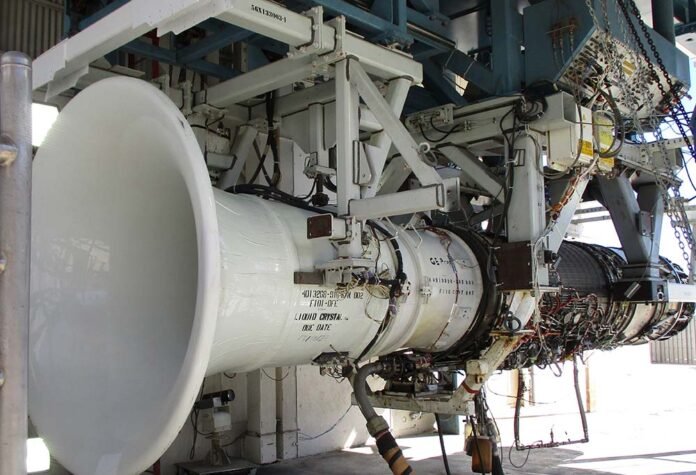
CINCINNATI. CFM International has begun dust ingestion testing on next-generation high-pressure turbine (HPT) airfoils. This type of testing conducted by CFM simulates the real-world operating conditions of engine technologies in development to optimise for durability.
Dust ingestion testing uses a proprietary mix of sand and other particles developed by GE Aerospace, one of CFM’s parent companies. A specialised test rig injects dust into the engine over thousands of cycles representing takeoff and climb, cruise and landing. The test campaign will replicate how the parts would withstand flight conditions in severe operating environments around the world, important for customer operations.

Arjan Hegeman, vice president for the future of flight at GE Aerospace, said, “With the RISE technology demonstration programme, we’re pursuing durability and efficiency improvements with equal focus. This incorporates lessons from the flying fleet today to inform our future engine products by testing early and often.”
Core testing
CFM is developing a compact engine core including high-pressure compressor, HPT, and combustor technologies for a demonstrator later this decade through the RISE programme. The core’s Conceptual Design Review has been completed.
Revolutionary Innovation for Sustainable Engines (RISE) is a technology demonstration programme of CFM International, a 50-50 joint company between GE Aerospace and Safran Aircraft Engines. It is not a product offered for commercial sale.
More than 3,000 endurance cycles of advanced HPT airfoils were completed earlier in 2025. Previous tests of HPT blades and nozzles focused on validating thermal, mechanical, and system performance.

About the RISE programme
Unveiled in 2021, the CFM RISE programme is one of the aviation industry’s most comprehensive technology demonstrators with more than 350 tests completed to date, including tests on advanced engine architectures like Open Fan, compact core, the high-speed turbine and compressor, and hybrid electric systems.
The RISE programme prioritises safety, durability and efficiency, targeting more than 20% better fuel burn compared to commercial engines in service today.

RISE programme technologies are maturing toward ground and flight tests this decade with work underway on aircraft and engine integration in collaboration with partners.






