


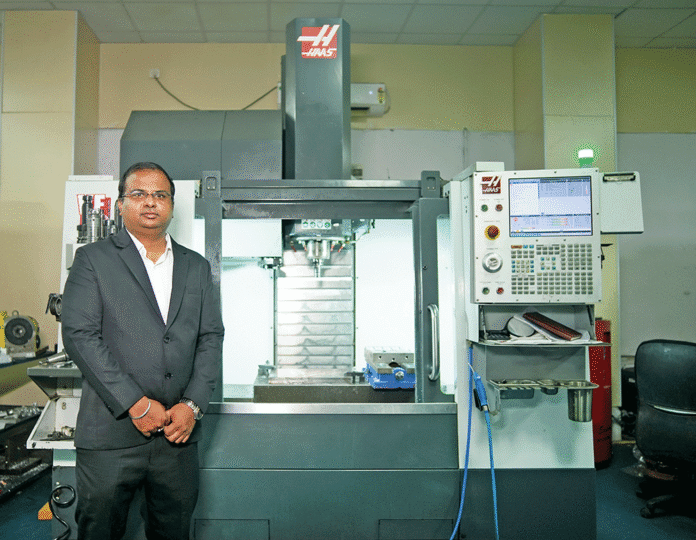
As UAV systems expand across defence, agriculture, infrastructure and logistics, the measure of a platform is shifting _ from what it can do, to how reliably it continues to do it. For India’s UAV ecosystem, that distinction will define the next phase of growth.
For a long time, the primary question in unmanned aviation was straightforward: can the system perform? How much can it carry? How far can it fly? These were the right questions for a sector still establishing its role. That phase has now evolved. The emphasis today is no longer solely on performance, but on continuity _ on whether a system can keep operating when conditions are not ideal, when components are delayed, or when external support is not immediately available.

This shift is becoming visible across sectors. In agriculture, operations are bound by narrow time windows, and a delay caused by a battery failure or a missing part can disrupt entire schedules. In industrial inspection, even minor inconsistency in output reduces the reliability of data. In logistics, predictability is not optional; small variations, when accumulated, make systems difficult to scale. In each case, the question is no longer whether the drone can perform, but whether the system can continue to perform.
This is where dependency begins to matter. Many UAV systems rely on subsystems and components that originate outside direct control. When conditions are stable, that model holds. But when access becomes uncertain, through supply-chain disruption, export constraints, or geopolitical pressure, even small dependencies can affect operations disproportionately.
Self-reliance is not defined by where a system is assembled. It is defined by how much of it remains within control when conditions change
This is also where Aatmanirbhar Bharat takes on a more practical meaning. Self-reliance is not defined by where a system is assembled. It is defined by how much of it remains within control when conditions change: the ability to build, support, and adapt systems domestically without being constrained by external sources. That brings the focus to what lies beneath the platform: flight control, energy systems, structural components, propulsion, and payload stability. When these layers depend heavily on external inputs, reliability becomes conditional rather than assured.
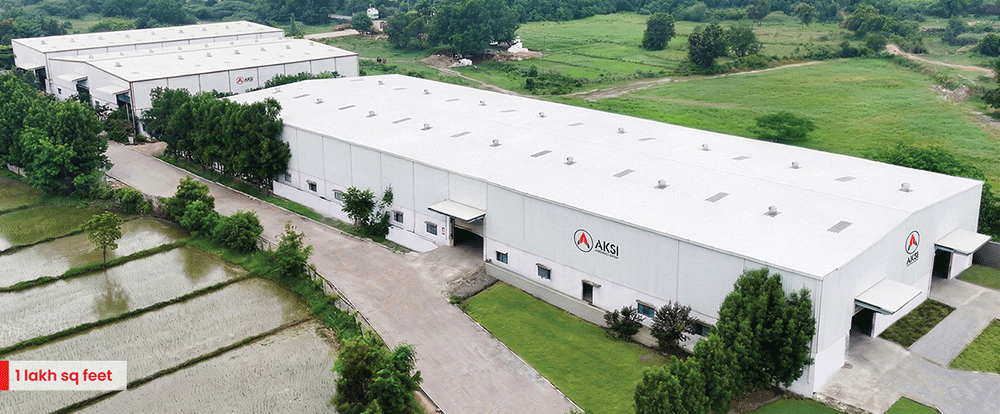

A shift is therefore visible in how capabilities are being developed. At AKSI Aerospace, this has translated into a deliberate move towards strengthening control across each of these underlying layers. Flight control is one such area: the KKA Autopilot, developed under the KKAP Drone Autopilot programme, enables system behaviour to be managed internally, allowing UAVs to be adapted to different conditions without dependence on external frameworks.
Energy systems form another critical layer. Through LiHi Smart Batteries, battery systems are developed and manufactured in-house, with the flexibility to customise specifications based on specific operational requirements. This improves predictability across cycles and reduces exposure to external supply constraints. Structural and propulsion capabilities are being built through Roboclave Composites and Motopropel Technologies, with a focus on durability and consistency over repeated use, areas where limitations tend to surface only during sustained operations.

Each layer that is brought within control reduces dependency & strengthens reliability. Systems that operate with greater independence will be better positioned to adapt & sustain performance over time
Imaging and payload systems follow the same logic. Through DroneOwl, the focus is on ensuring stable and reliable data capture, particularly in applications where accuracy is not negotiable.
Alongside technology, a parallel gap continues to emerge in how systems are operated. There remains a meaningful difference between certification and operational readiness. Holding a licence does not necessarily prepare an operator for real-world conditions, where variability is constant and responses must be instinctive. This is where training becomes an integral part of the system itself. Through the AKSI Drone Training Academy, the focus is on practical exposure rather than procedural compliance alone, enabling operators to handle systems independently and respond effectively to changing conditions. In agriculture, this extends further through free training initiatives for farmers, ensuring that access to drones is matched by the ability to use them effectively. Without that, adoption remains limited regardless of availability.
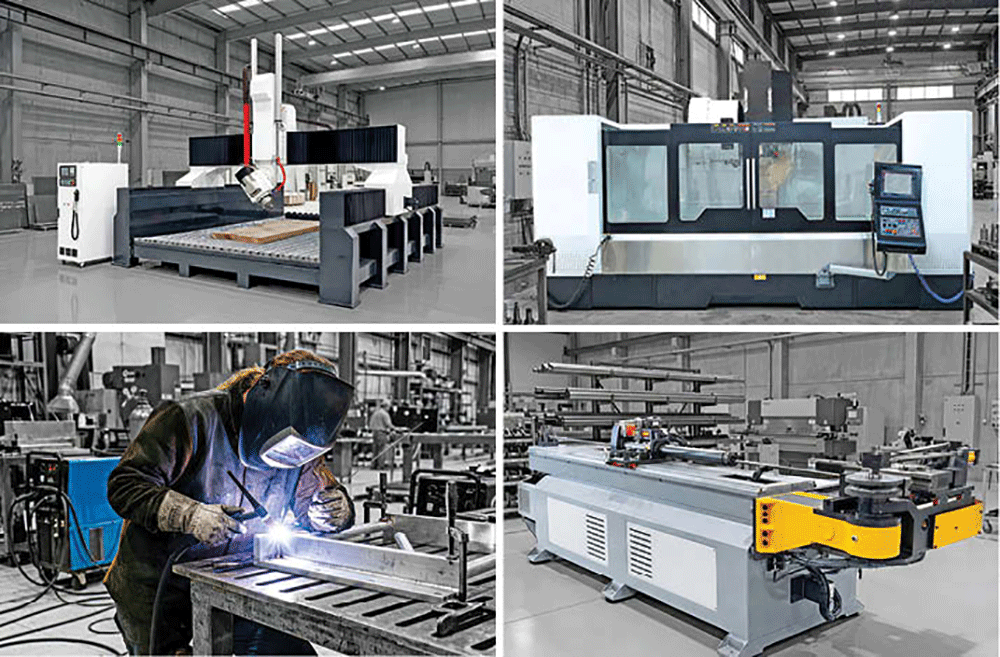
The operating environment is unlikely to become more predictable. Supply chains will continue to evolve, and access to critical technologies may remain uneven. In such a context, systems that rely heavily on external inputs will face increasing constraints, while those that operate with greater independence will be better positioned to adapt, sustain performance, and continue functioning when it matters most.
For India, this direction is becoming increasingly clear. The strength of its UAV ecosystem will not be defined only by what it can build, but by how independently those systems can be sustained, adapted, and relied upon over time.
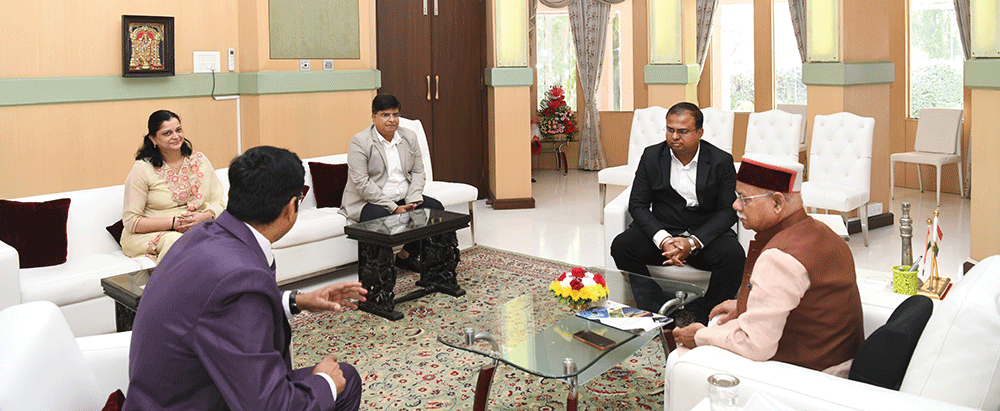
The AKSI team, led by Pankaj Akula, met with the Governor of Telangana, Shiv Pratap Shukla, for a focused discussion on self reliance in UAV systems. The interaction highlighted the importance of building strong domestic capabilities across critical components. As the sector grows, the ability to operate independently is becoming key to reliability. The discussion reflected a shared intent to strengthen India’s self reliant and future ready drone ecosystem.

–The writer is Group Managing Director, AKSI Aerospace Group. The views expressed are personal and do not necessarily reflect the views of Raksha Anirveda





