

Visakhapatnam is well placed to expand its role in India’s naval manufacturing ecosystem, according to R Balamuralikrishnan, Director General of Naval Systems and Materials at the Defence Research and Development Organisation (DRDO).
Speaking at the inauguration of DEFCORE 2026 on November 25, he identified shipbuilding, ship repair, maintenance, repair and overhaul (MRO), and underwater technologies as areas in which the city could build capacity. He also stressed that a stronger domestic supply chain is essential to India’s strategic autonomy.

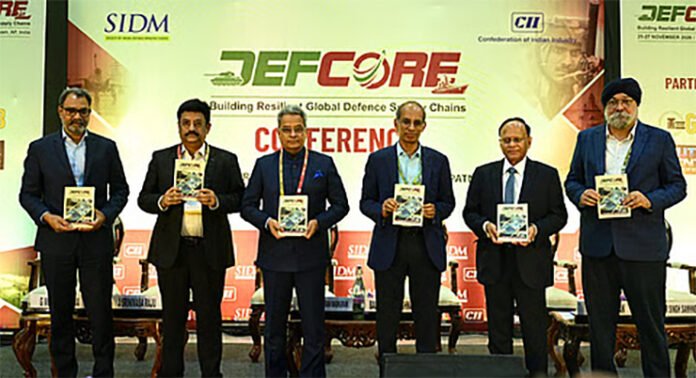
The inaugural event, jointly organised by the Confederation of Indian Industry (CII) and the Society of Indian Defence Manufacturers (SIDM), focused on defence technology and participation by micro, small and medium enterprises (MSMEs). It brought together representatives from the Navy, DRDO laboratories, public-sector defence firms, startups and industry. More than 100 delegates from the Eastern Naval Command attended, according to reports on the event.
Balamuralikrishnan said defence manufacturing places demanding requirements on suppliers: components and materials must meet strict standards of repeatability, reliability and consistency. That places particular importance on stable domestic suppliers able to deliver to specification over time, not simply on increasing the number of products made in India.
He also described a changing relationship between DRDO and industry, shifting from a conventional buyer-and-supplier arrangement towards collaborative development. Such partnerships can connect research organisations and larger system integrators with MSMEs and startups, which may contribute specialised components, technologies or manufacturing services. The event’s organisers presented DEFCORE as a platform intended to link defence requirements with industrial capabilities and create opportunities for businesses in the supply chain.
Visakhapatnam’s case rests partly on the institutions already located there. It is the headquarters of the Eastern Naval Command and is home to Hindustan Shipyard Limited (HSL) and the Naval Science and Technological Laboratory (NSTL), among other defence-related establishments. HSL’s remit includes shipbuilding and ship repair, while NSTL conducts naval research and development. Their presence provides an existing base of expertise and infrastructure around which suppliers and technology firms could develop.

HSL chairman and managing director Rear Admiral Chandrasekharan Raghuram (Retd) said the ambition was to develop Visakhapatnam into a major maritime defence cluster. He pointed to the city’s naval command, research facilities and industrial base, and highlighted partnerships between public- and private-sector companies as part of the shipyard’s approach to designing, building and sustaining vessels in India. The aspiration is significant, but the event coverage did not set out a detailed implementation plan, investment commitment or timetable for achieving it.
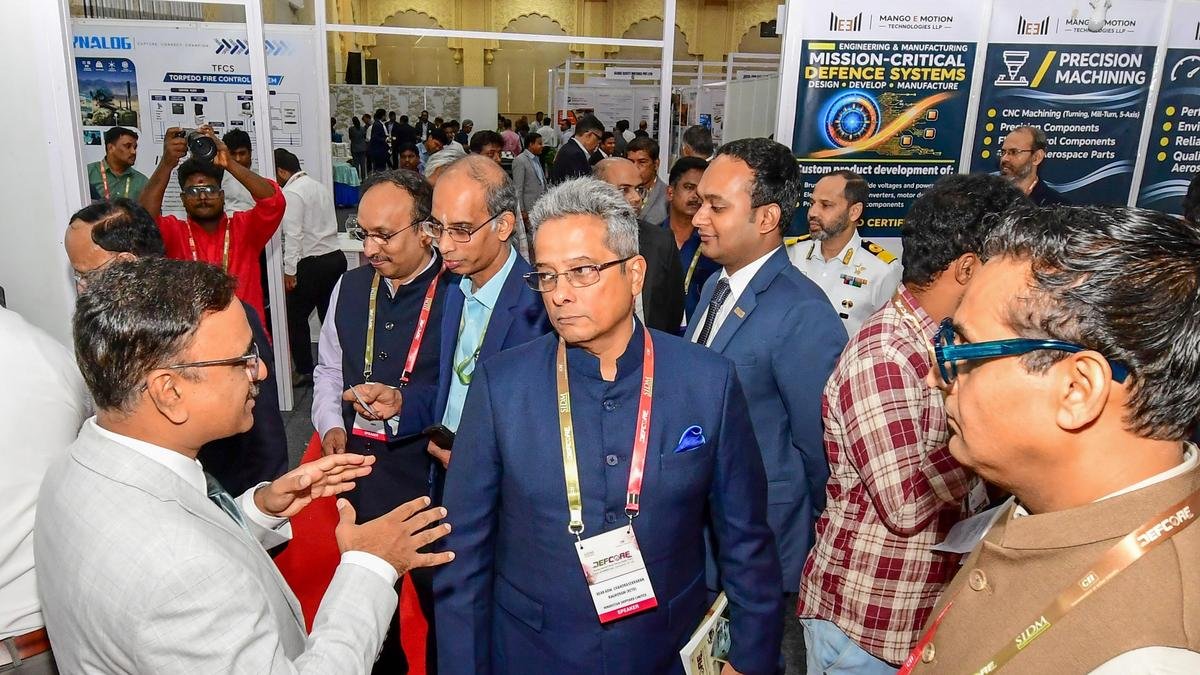

A technical session at DEFCORE addressed research, development and indigenisation. NSTL Director Abraham Varughese called for stronger development of underwater technologies and faster movement of specialised capabilities, including navigation and quantum systems, from research into production. SIDM’s Andhra Pradesh leadership also urged deeper domestic sourcing and stronger participation by MSMEs and startups.
Turning the city’s existing strengths into a broader industrial cluster will depend on more than proximity to naval users and research facilities. Firms will need dependable demand, access to technical expertise, investment and the ability to meet rigorous quality requirements. The event highlighted collaboration as a route towards those goals, but did not announce specific new contracts or procurement awards.
For now, DEFCORE has brought the region’s defence stakeholders together around a shared proposition: that Visakhapatnam can play a larger role in naval indigenisation. Whether the city becomes a lasting manufacturing and maintenance hub will depend on how effectively those discussions translate into partnerships, production capability and sustained work for domestic suppliers.