

Mumbai-based Krishna Defence and Allied Industries Limited (KDAIL) reported revenue of ₹7,529.34 lakh and profit before tax of ₹2,058.99 lakh for the second quarter of FY27. Backed by expanded Halol capacity and a strategic shift toward high-margin indigenous defence components, the manufacturer is targeting 30% annual growth while scaling into naval robotics and global exports.
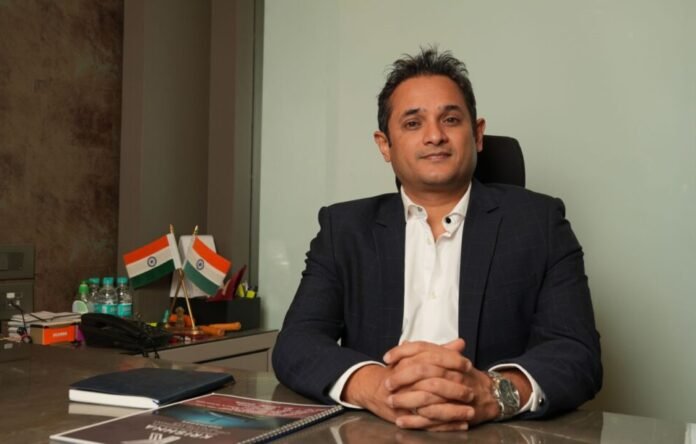
Raksha Anirveda’s Consulting Editor, Asad Mirza spoke to Ankur Shah, Managing Director, Krishna Defence and Allied Industries Limited, and discussed about the company’s robust performance and its expansion plans. Excerpts from the interview……

Higher-value indigenous defence work and upgraded machining capabilities lifted EBITDA margins by nearly 800 basis points to 26.9%, causing profits to dramatically outpace top-line growth
Raksha Anirveda (RA): KDAIL reported Q2 FY27 revenue of ₹7,529.34 lakh and profit before tax of ₹2,058.99 lakh. What were the main drivers of this performance, and how does it compare with the same quarter last year?
Ankur Shah (AS): Q2 FY27 was a defining quarter for KDAIL. Revenue from operations rose 55.7% to ₹75.29 crore from ₹48.36 crore a year earlier, while profit before tax more than doubled to ₹20.59 crore from ₹9.14 crore. Net profit moved from ₹6.86 crore to ₹15.12 crore. The EBITDA margin of 26.9%, nearly 800 basis points higher, explains why profit outpaced revenue: KDAIL’s investments in melting, machining and inspection capability and a mix shifting towards higher-value indigenous components, let us execute more defence-grade work without a proportionate rise in cost.
(RA): With annual turnover stated at around ₹200 crore and a reported FY25 unexecuted order book of ₹269 crore, what is your current order-book position, and how quickly do you expect to convert it into revenue?

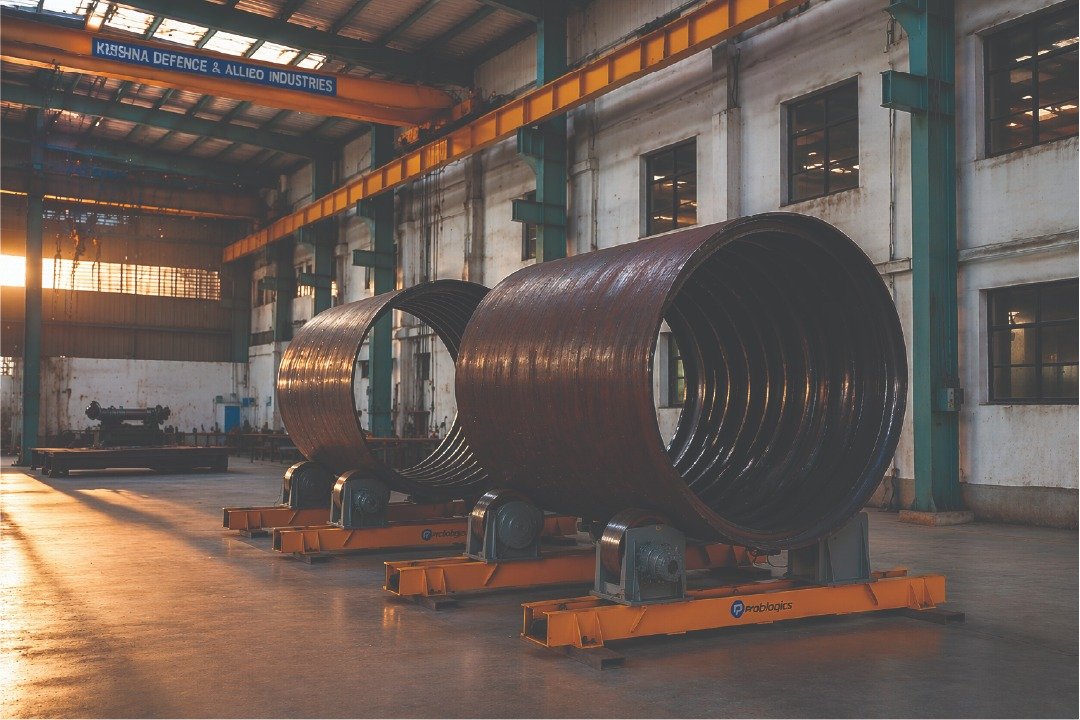
(AS): The ₹269 crore order book at the close of FY25 followed the largest order inflow in our KDAIL’s history, and we have executed quickly against it. Our unexecuted order book stood at ₹109 crore at the end of September 2026, nearly flat on the previous quarter, as customers move from 12-to-18-month bulk contracts to shorter, on-demand deliveries.
Completing its Halol expansion pushes revenue capacity toward ₹450 crore, while its Xsub Robotics venture builds rugged hulls for the Indian Navy’s autonomous underwater vehicle programme
(RA): The company says it has supplied more than 10,000 metric tonnes of special steel for defence projects. How much of your business now comes from higher-value, engineered products compared with steel supply, and how do you plan to improve that mix?

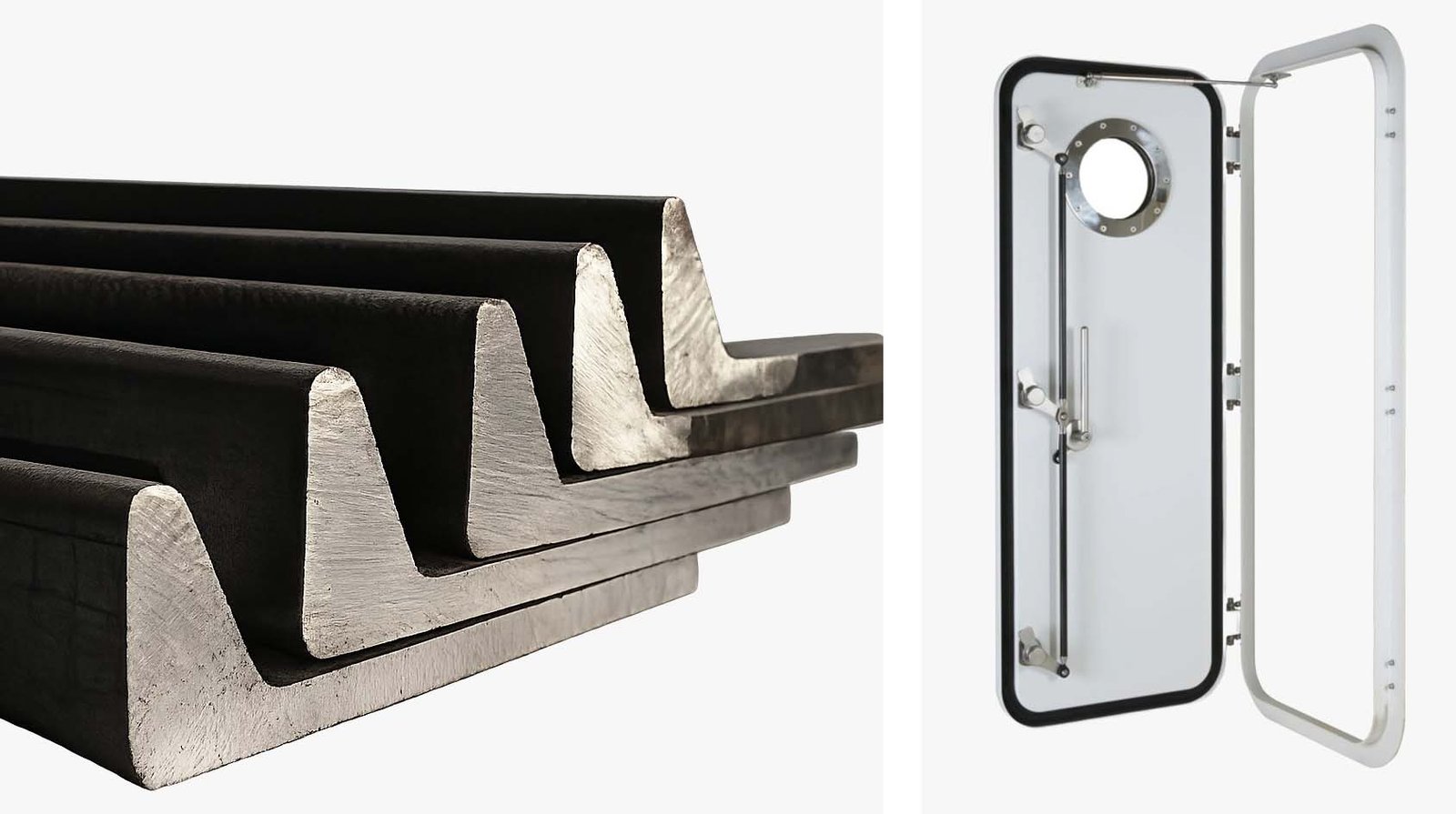
(AS): Bulb bars, KDAIL’s core shipbuilding steel section, now account for about 55-60% of revenue, down from 65-70% in the first half of FY26, while armoured steel profiles and weld consumables contribute 15-20% each. These higher-margin lines helped lift KDAIL’s EBITDA margin to 27% in the latest quarter. KDAIL plans to deepen this mix by indigenising weld consumables that are still imported, expanding armoured steel profiles for the Army, and commercialising newer platforms such as composite doors and hatches for the Navy and the AUV.
(RA): What is KDAIL’s specific role, contractual scope and delivery timeline in the Indian Navy’s autonomous underwater vehicle project? What milestones will determine when the programme begins contributing to revenue?
(AS): KDAIL is the founding owner of Xsub Robotics, bringing defence manufacturing strength to an indigenous underwater vehicle programme. Its role can be pictured as turning an advanced design into a real, rugged hull, while its partners contribute underwater robotics, autonomy and naval architecture. Together, they are shaping a large unmanned underwater platform for long-endurance surveillance, seabed reconnaissance and distributed sensing, in line with India’s push for self-reliant naval technology.
To counter shipyard concentration and order delays, KDAIL is pursuing commercial marine certifications, staged R&D and early export orders like Belgian barriers
(RA): KDAIL has announced investments in research and development, expanded manufacturing capacity and plans for technology partnerships. How much capital do you expect to commit to these priorities, and what returns or production gains are you targeting?
(AS): KDAIL’s Halol expansion is complete, and further incremental capital will go into automation, process improvement, and infrastructure, taking revenue capacity to ₹400-450 crore against ₹244.78 crore in FY26. KDAIL has also acquired an adjoining 50,000 sq ft plot at Halol. KDAIL’s initial commitment to the VABO composites joint venture is ₹4-5 crore. KDAIL is targeting revenue growth of 30% a year over FY27 and FY28, with margins expanding incrementally through product mix and operating leverage.
(RA): What are the main risks to KDAIL’s growth – such as customer concentration, project delays, certification requirements or raw-material costs – and what steps are you taking to manage them while expanding into new defence products and export markets?
(AS): KDAIL’s main risks are order timing, dependence on a few shipyard customers, certification cycles, input costs and development risk in new products. KDAIL is addressing these by widening the mix beyond bulb bars into weld consumables, armoured profiles and composites, and by securing certifications such as BV class for bulb bars to serve commercial shipbuilding. Raw-material inflation has had a limited impact on margins so far. Export work has begun with Belgian barriers, and KDAIL is developing the AUV and smart ammunition in stages with the Navy and partners.

-The writer is a New Delhi-based senior commentator on international and strategic affairs, environmental issues, an interfaith practitioner, and a media consultant. The views expressed are personal and do not necessarily carry the views of Raksha Anirveda