


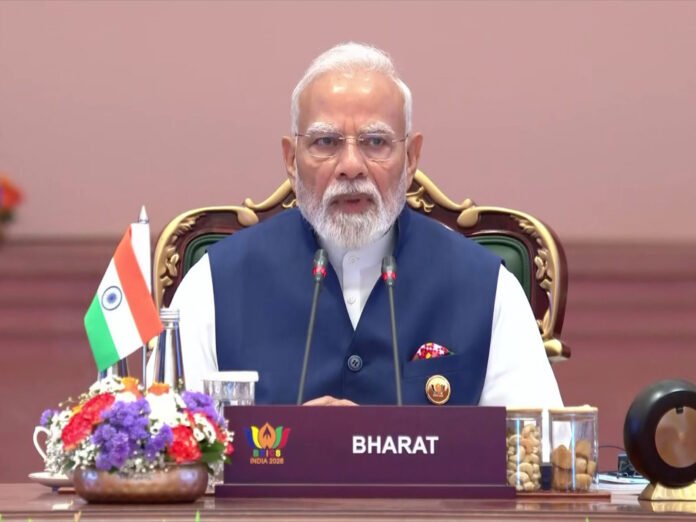
Prime Minister Narendra Modi has urged the Defence Research and Development Organisation (DRDO) to share more of its research and technology with Indian private-sector companies, seeking to improve their ability to develop and manufacture advanced defence products.
The proposal was raised at a high-level meeting with government secretaries on August 20, according to a Cabinet Secretary’s communication to officials on August 31. The direction is to help Indian firms compete internationally on quality and cost. The framework for deciding which technologies can be shared, and how much access companies should receive, has yet to be worked out.

That policy question is central to the shift. DRDO already works with companies through technology-transfer agreements, Development-cum-Production Partner arrangements and the Technology Development Fund (TDF). But sharing research earlier in the development process would require clearer rules on strategic sensitivity, intellectual property, credit for discoveries and the roles of government scientists and private partners.
The government has been expanding the industry’s role in defence research. In a March 2025 reply to Parliament, the Defence Ministry said 15 DRDO Industry-Academia Centres of Excellence had been set up at institutions including IITs and IISc, covering 84 research areas. It also said the TDF scheme provides grants to private entities developing specific technologies, including emerging and deep-tech projects.
The government’s 2026-27 budget statement said DRDO’s allocation had risen to ₹29,100.25 crore, from ₹26,816.82 crore in 2025-26. It also reported that about 25 per cent of the defence research budget had been opened to industry, start-ups and academia, and that 148 new DRDO research projects were sanctioned between 2022-23 and 2024-25. The figures indicate an established policy push; Modi’s latest direction would test whether collaboration can move beyond funding and technology handovers towards earlier participation in research.
The Advanced Medium Combat Aircraft programme illustrates the expanding industrial role. In May 2026, the Defence Ministry invited private-sector companies to compete to develop prototypes for the proposed fighter, with the selected partner expected to work with the Aeronautical Development Agency, which operates under DRDO. The government-funded project is valued at about ₹15,000 crore. It marks a significant opening for private firms in a high-profile aerospace programme, although the agency retains responsibility for the design and technical development.

Another step came in August, when Defence Minister Rajnath Singh approved the transfer of DRDO-developed technologies for conventional missile systems to Indian industry for domestic production. The ministry said the move was intended to broaden industrial participation, strengthen manufacturing capability and create opportunities for smaller suppliers. Together, these initiatives suggest a gradual widening of the private sector’s role, from manufacturing licensed designs to contributing to development and potentially, research.
The shift also raises practical challenges. Research-stage collaboration requires rules for sharing sensitive information, protecting intellectual property and deciding how development costs and technical risks are divided. Companies must be prepared to invest in research, rather than focus mainly on licensed production or assembly. For DRDO, officials and former scientists have argued, collaboration will need institutional support and incentives if researchers are to work effectively with outside partners.

The Prime Minister also suggested exploring defence-engineering courses at universities, linking research collaboration to the supply of skilled engineers. The proposal’s outcome will depend on how quickly the government sets out procedures, safeguards and incentives, and whether firms can turn access to research into reliable products. The immediate direction is clear; the institutional details remain to be settled.