


Modern warfare is undergoing a fundamental transformation. While military strength was traditionally measured by manpower, firepower, and conventional defence infrastructure, technological capabilities are increasingly central to operational superiority. Among the technologies driving this shift, Unmanned Aerial Vehicles (UAVs) have emerged as critical assets, changing how armed forces gather intelligence, monitor threats, assess situations, and respond to evolving security challenges.
What began primarily as a technology for aerial surveillance and reconnaissance has evolved into a much broader strategic capability. Today, UAVs are no longer limited to capturing images or monitoring movement. They are becoming an integral part of military intelligence systems, supporting real-time decision-making, operational planning, border security, and mission coordination. This transition from surveillance to strategic intelligence represents one of the most significant developments in contemporary defence technology.

Beyond Traditional Surveillance
Historically, surveillance operations relied heavily on human observation, satellite imagery, and manned aircraft. While these capabilities play an important role, they often involve high operational costs, logistical requirements, and limitations in terms of accessibility and deployment.
UAVs have introduced greater flexibility into this environment. Their ability to operate across different terrains, remain airborne for extended periods depending on their design, and access areas that may be difficult or risky for personnel to reach has expanded the scope of intelligence gathering.
In modern military operations, situational awareness is critical. Understanding troop movements, identifying potential threats, monitoring sensitive installations and assessing difficult geographical locations can influence the outcome of an operation. UAVs equipped with high-resolution imaging systems, thermal cameras and advanced sensors can provide valuable information to defence personnel with greater speed and operational flexibility.

More importantly, these systems allow armed forces to move from periodic observation towards more persistent monitoring. This creates a more comprehensive understanding of operational environments and helps military commanders make informed decisions based on changing ground conditions.
The Rise of Intelligence-Led Warfare
The real transformation lies not simply in the ability of UAVs to collect information, but in how that information is processed and utilised. Modern defence operations generate enormous volumes of data. Aerial imagery, thermal readings, geographical information and other sensor inputs must be analysed and converted into actionable intelligence. This is where artificial intelligence, machine learning and advanced data analytics are becoming increasingly relevant.

In modern military operations, situational awareness is critical. UAVs equipped with high-resolution imaging systems, thermal cameras, and advanced sensors can quickly provide valuable information with operational flexibility. These systems allow armed forces to move from periodic observation towards persistent monitoring
AI-enabled systems can assist in identifying patterns, detecting changes in terrain, classifying objects and highlighting unusual activity. When integrated with appropriate command-and-control systems, this information can help decision-makers assess situations more quickly and coordinate responses.
The combination of UAVs, AI and secure communication networks is therefore creating a more connected intelligence ecosystem. Instead of functioning as independent aerial platforms, drones are increasingly becoming part of a larger information network that connects surveillance assets, ground personnel and command centres.
However, technology must complement human expertise rather than replace it. Intelligence assessments require context, verification and sound judgement. The effectiveness of these systems ultimately depends on the quality of the information collected, the reliability of the analysis and the ability of trained personnel to interpret it.
The Changing Role of UAVs in Modern Combat
Recent global conflicts have demonstrated how rapidly UAV capabilities are evolving. Their applications now extend across reconnaissance, target identification, communication support, logistics and specialised defence operations.
One of the most important developments is the integration of UAVs into coordinated military operations. Multiple platforms can perform different functions within the same operational framework, allowing surveillance, information gathering and mission support to take place simultaneously.
The emergence of drone swarms and collaborative unmanned systems represents another important area of development. Such systems have the potential to coordinate multiple UAVs to undertake complex tasks, distribute workloads and improve operational coverage. While these capabilities require further technological development, they indicate the direction in which future defence systems are moving.
UAVs are also becoming relevant in logistics and support operations. In challenging environments, they can assist in transporting essential supplies, supporting communication networks and conducting search-and-rescue missions. These applications demonstrate that the strategic value of drones extends beyond combat operations to the broader functioning and resilience of military infrastructure.
The real transformation lies in how the information is processed and utilised. Aerial imagery, thermal readings, geographical information and other sensor inputs must be analysed and converted into actionable intelligence. This is where artificial intelligence, machine learning and advanced data analytics are becoming increasingly relevant
At the same time, the increasing use of UAVs has created a corresponding need for counter-drone capabilities. Radar-based detection, electronic warfare, signal disruption and other counter-UAS technologies are becoming essential components of modern defence planning. As unmanned systems become more sophisticated, the technologies designed to detect and counter them must evolve at a comparable pace.
Technology, Manufacturing and Operational Readiness
While much of the discussion around military drones focuses on their operational capabilities, an equally important aspect is the manufacturing ecosystem supporting them.

The effectiveness of a UAV is determined not only by its design but also by the reliability of its components, communication systems, navigation technology, software and maintenance infrastructure. In defence applications, consistency and operational reliability are particularly important. This places significant responsibility on the domestic manufacturing ecosystem. Countries seeking to strengthen their defence capabilities must develop indigenous expertise across critical areas such as flight controllers, propulsion systems, batteries, sensors, secure communication modules and advanced materials.
For India, this presents an important opportunity. The country’s expanding technology and manufacturing capabilities, combined with its growing pool of engineering talent, provide a strong foundation for developing a competitive domestic UAV industry.
The combination of UAVs, AI and secure communication networks is creating a more connected intelligence ecosystem. Instead of functioning as independent aerial platforms, drones are increasingly becoming part of a larger information network that connects surveillance assets, ground personnel and command centres
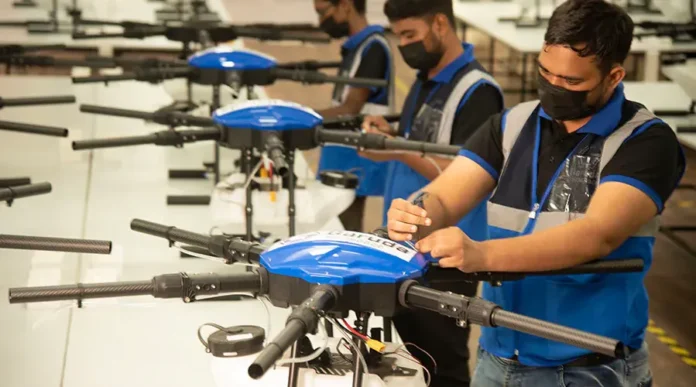
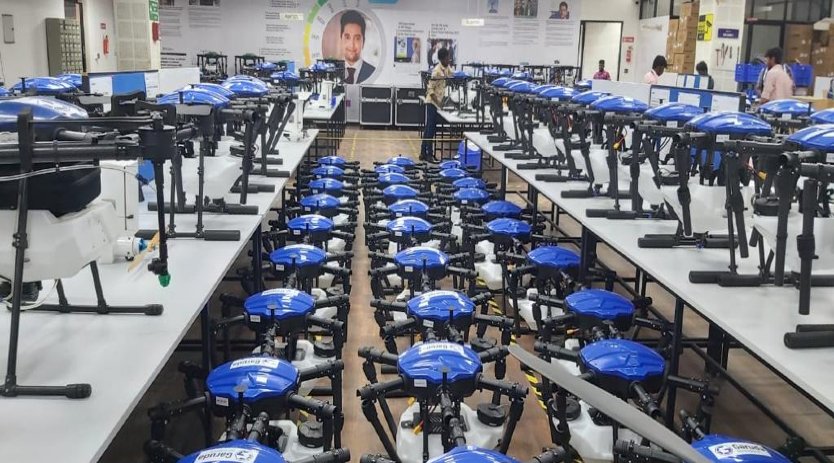
The role of manufacturing facilities in the UAV industry is becoming increasingly important as defence requirements evolve. Modern drone manufacturing requires integrated infrastructure that brings together design, prototyping, component assembly, testing and quality control. Dedicated manufacturing facilities enable companies to improve production consistency, validate technologies under different operating conditions and scale production to meet large and evolving defence requirements. They also support closer integration between engineering, research and production teams, allowing manufacturers to identify challenges early and improve product performance. As India looks to strengthen its indigenous defence capabilities, investments in advanced manufacturing infrastructure will be essential to building reliable, scalable and globally competitive UAV systems.
However, building a globally competitive drone ecosystem requires more than increasing production volumes. It requires sustained investment in research and development, testing infrastructure, component manufacturing, quality assurance and collaboration between industry, academia and defence institutions.
Equally important is the need for manufacturing scalability. Defence requirements can vary significantly depending on operational environments and mission objectives. Manufacturers must therefore be capable of developing platforms suited to different payload requirements, endurance levels, operating conditions and mission profiles.
A robust domestic supply chain can also reduce dependence on external sources for critical components while improving the ability to customise systems for India’s specific geographical and security requirements.
The Importance of Cybersecurity and Resilient Systems
As UAVs become increasingly connected, cybersecurity will emerge as a defining factor in their effectiveness. Modern drones depend on communication links, navigation systems, software and data networks to perform their functions. Any compromise in these systems can affect operational reliability and information security.
Countries seeking to strengthen their defence capabilities must develop indigenous expertise across critical areas such as flight controllers, propulsion systems, batteries, sensors, secure communication modules and advanced materials. India’s technological capabilities provide a strong foundation for developing a competitive domestic UAV industry
The future of defence UAVs will therefore depend on developing secure communication architectures, resilient navigation systems, encrypted data transmission and robust software safeguards.
Electronic warfare is another important consideration. The ability to operate in environments where communication signals may be disrupted, or navigation systems compromised, will become increasingly important. Manufacturers must account for these challenges at the design and development stages rather than treating them as secondary considerations.
This also highlights the importance of continuous upgrades. Defence technology cannot remain static. Systems must be designed with the flexibility to incorporate new software, hardware and security capabilities as operational requirements evolve.
India’s Opportunity in the Global UAV Ecosystem
India is at an important stage in its journey towards becoming a significant player in the global drone industry. The growing emphasis on domestic defence manufacturing, technological self-reliance and innovation has created opportunities for Indian enterprises to contribute to the next generation of unmanned systems.
The opportunity extends beyond manufacturing complete drones. India can develop capabilities across the entire value chain, including component engineering, software development, artificial intelligence, sensor integration, testing and maintenance.
For the industry, the next phase will require closer collaboration between private manufacturers, defence establishments, research institutions and technology developers. Such partnerships can accelerate innovation, improve product reliability and ensure that indigenous platforms are aligned with actual operational requirements.
The future of modern warfare will be shaped by the ability to collect, process and act upon information. UAVs will remain central to this transformation, but their value will depend on how effectively they integrate with other defence technologies
There is also a need to build a skilled workforce capable of supporting this evolving sector. Drone pilots, engineers, software developers, maintenance specialists and data analysts will all play an important role in strengthening India’s unmanned systems capabilities.
Looking Ahead: From Unmanned Platforms to Intelligent Defence Networks
The future of modern warfare will increasingly be shaped by the ability to collect, process and act upon information. UAVs will remain central to this transformation, but their value will increasingly depend on how effectively they integrate with other defence technologies.
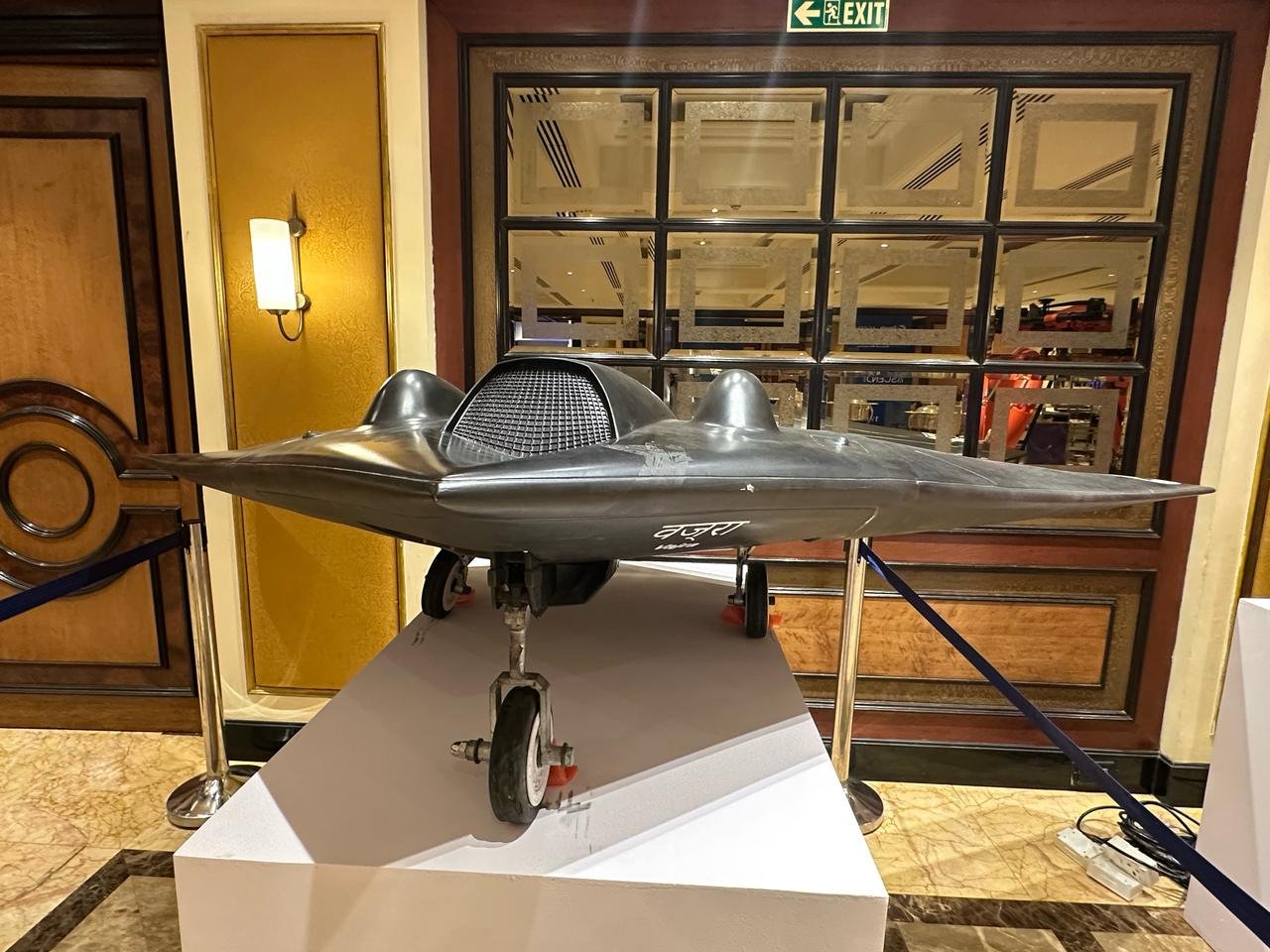
The next generation of unmanned systems is likely to be defined by greater autonomy, AI-assisted intelligence, improved endurance, multi-platform coordination and stronger cybersecurity. The integration of aerial, ground-based and maritime unmanned systems could further expand the scope of military operations.
Nevertheless, technology alone cannot determine strategic superiority. Operational doctrine, trained personnel, manufacturing resilience, regulatory preparedness and the ability to adapt to changing threats will remain equally important.
For India’s defence industry, this is an opportunity to move beyond being a consumer of unmanned technologies and become a developer and manufacturer of globally competitive solutions. The transition from surveillance to strategic intelligence is not simply about making drones more advanced; it is about building an integrated ecosystem where technology, intelligence and human decision-making work together.
Ultimately, the future of UAVs will be defined not just by how far they can fly or how long they can remain airborne, but by how effectively they contribute to informed decisions, operational preparedness and national security. The countries that recognise this distinction and invest in the complete unmanned systems ecosystem will be better positioned to shape the future of defence technology.

The writer is Founder and CEO, Garuda Aerospace






