


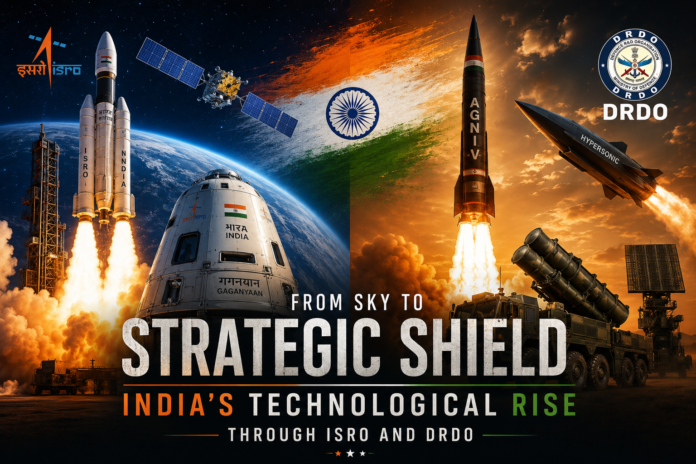
Over the past few months, India quietly demonstrated something remarkable. Without dramatic headlines or geopolitical theatrics, two institutions — Indian Space Research Organisation (ISRO) and Defence Research and Development Organisation (DRDO) — showcased the technological depth of a nation steadily preparing itself for the future.
On one side, ISRO advanced critical human spaceflight systems, orbital docking technologies, and sophisticated Earth observation capabilities. On the other hand, DRDO pushed forward hypersonic propulsion, MIRV-capable missile systems, and precision-guided warfare technologies.

Individually, these developments were significant. Collectively, they revealed something much larger: India is entering a phase where technological capability is becoming central to national power.
For decades, India functioned under technological denial regimes, sanctions, limited budgets, and dependence on foreign systems. Yet despite these constraints, India built indigenous competencies brick by brick. What we are witnessing today is the outcome of that long national effort.
The importance of these achievements lies not merely in science or defence. They reflect the emergence of a strategically confident India — a nation seeking technological sovereignty in an increasingly unstable world order.
ISRO: Building India’s Space Power
Gaganyaan Crew Recovery and Safety Systems: Between August 2025 and April 2026, ISRO carried out major tests involving crew module recovery systems, parachute deployment mechanisms, and simulated splashdown operations for the Gaganyaan mission. These are not routine exercises. Human spaceflight is among the most difficult technological domains in the world because the ultimate challenge is not launching astronauts into space, but bringing them back safely.

Gaganyaan is often viewed as a prestige project, but its significance is much deeper. Nations that master human spaceflight develop expertise in advanced materials, avionics, precision manufacturing, robotics, guidance systems, and life-support technologies. These capabilities eventually strengthen civilian industries as well as military aerospace systems.
From August 2025 to April 2026, ISRO tested crew module recovery systems, parachute deployment mechanisms, and simulated splashdown operations for the Gaganyaan mission. These are not routine exercises. Human spaceflight is among the difficult technological domains because the main challenge is not launching astronauts into space, but bringing them back safely
SPADEX and Orbital Docking Capability: On January 16, 2025, India became only the fourth nation to achieve successful in-space docking through ISRO’s SPADEX programme. Docking may sound technical, but strategically it is transformative. It allows satellites to interact, transfer resources, conduct repairs, and potentially support future Indian space stations.

In the future, space will no longer remain a passive domain. Satellites will need manoeuvrability, servicing capabilities, and autonomous coordination. Docking technologies are therefore foundational for both civilian and strategic applications.
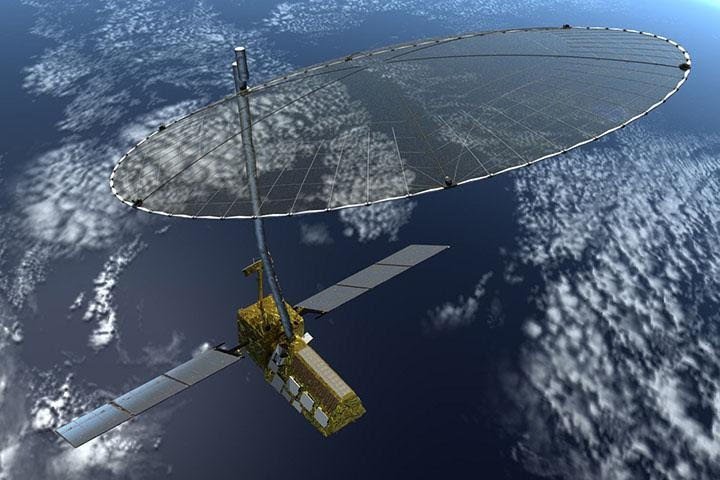
NISAR and Advanced Earth Observation: The July 2025 launch preparations and subsequent operationalisation of the NASA-ISRO NISAR mission marked a major leap in India’s Earth observation capabilities. Equipped with advanced radar imaging systems, the satellite will help monitor environmental changes, glaciers, agricultural patterns, coastal shifts, infrastructure development, and disaster management in real time.
However, modern Earth observation systems are not merely scientific tools. They are instruments of strategic awareness. In an era where intelligence and surveillance determine military preparedness, advanced space-based monitoring capabilities become critical national assets.
Expansion of India’s Commercial Space Ecosystem: Throughout 2024–2025, ISRO increasingly shifted focus from state-led missions to a broader commercial space ecosystem involving start-ups, private manufacturing, launch services, and satellite applications. The SSLV programme, IN-SPACe reforms, and the rise of private firms such as Skyroot and Agnikul represent this transition.
This transformation is strategically important. Future economies will increasingly depend on satellite communication, navigation, climate monitoring, logistics management, financial systems, and geospatial intelligence. India understands that strategic autonomy in the twenty-first century will require strong indigenous space infrastructure.
Preparing for the Next Space Era: Beyond individual missions, ISRO’s recent activities during 2025–26 reveal a larger strategic direction. India is gradually preparing for long-duration space operations, future space stations, deep-space exploration, and integrated satellite networks.
The larger message from ISRO is clear: India no longer seeks only participation in space. It seeks sustained presence, capability, and influence.
DRDO: Strengthening India’s Strategic Shield
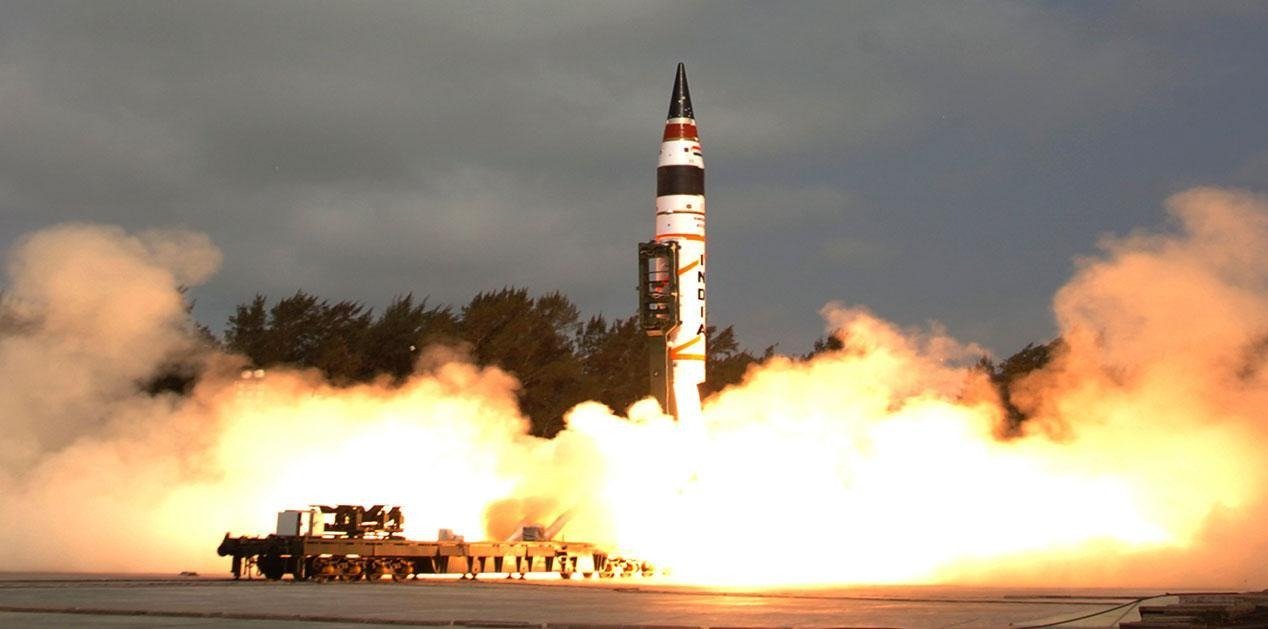
MIRV and Strategic Deterrence: In March 2024, India entered a select technological league with the successful MIRV-capable Agni-5 test under Mission Divyastra. MIRV — Multiple Independently Targetable Re-entry Vehicles — allows a single missile to carry multiple warheads capable of striking separate targets.
This capability fundamentally alters strategic deterrence. It enhances survivability, increases second-strike credibility, and complicates enemy missile defence systems. Only a handful of nations possess such advanced technologies, and India’s progress signals the maturation of its strategic forces.
Hypersonic Propulsion Breakthroughs: In May 2025, DRDO achieved a breakthrough in hypersonic propulsion through successful long-duration scramjet combustor testing. Hypersonic systems travel at speeds exceeding Mach 5 while maintaining manoeuvrability, making interception extremely difficult.
Modern warfare is entering a phase where speed, precision, and unpredictability will dominate the battlefield. Hypersonic systems compress enemy decision-making time and challenge traditional defence architectures.
What makes India’s achievement particularly important is the mastery of thermal management. Sustained hypersonic flight generates extraordinary heat. Successfully controlling those temperatures is among the hardest engineering challenges in aerospace technology.
Long-Range Hypersonic Anti-Ship Missile Capability: In May 2025, India also successfully tested a long-range hypersonic anti-ship missile capable of reshaping maritime deterrence in the Indo-Pacific. This development carries major implications for maritime security in the Indian Ocean Region and the broader Indo-Pacific.
For decades, aircraft carriers symbolised naval dominance. Hypersonic anti-ship weapons now threaten to reshape naval warfare by holding high-value platforms at risk from extended distances. For India, such systems strengthen maritime deterrence against hostile naval deployments across the Arabian Sea and Bay of Bengal.
On January 16, 2025, India became the fourth country to achieve successful in-space docking through ISRO’s SPADEX programme. It may sound technical, but strategically it is transformative. It allows satellites to interact, transfer resources, conduct repairs, and potentially support future Indian space stations
Precision Warfare and Smart Munitions: In 2025, DRDO accelerated work on precision-guided glide weapons such as the TARA system. These technologies convert conventional unguided bombs into accurate stand-off precision weapons.
The significance of this shift cannot be overstated. Recent conflicts — from Ukraine to West Asia — have repeatedly shown that precision matters more than volume. Modern battlefields increasingly reward intelligence-enabled, accurate strikes rather than large-scale conventional bombardment.
India is clearly adapting to these lessons and preparing for the next generation of warfare.
Rise of Technological Confidence
What connects the achievements of ISRO and DRDO is not merely technological success, but the rise of national confidence.
India today is simultaneously pursuing human spaceflight, orbital docking, advanced surveillance systems, hypersonic propulsion, precision-guided munitions, and sophisticated missile deterrence. Few nations possess this range of ambition. More importantly, these systems are increasingly indigenous.
For years, India remained dependent on imported technologies in critical sectors. That dependence created vulnerabilities during crises and constrained strategic choices. The current push towards indigenous research and development is, therefore, not just about self-reliance; it is about strategic freedom.
DRDO has achieved a breakthrough in hypersonic propulsion through successful long-duration scramjet combustor testing. Hypersonic systems travel at speeds exceeding Mach 5 while maintaining manoeuvrability, making interception very difficult. What makes India’s achievement significant is the mastery of thermal management. Controlling temperatures is among the hardest engineering challenges in aerospace technology
Technology today is no longer separate from geopolitics. Nations that dominate advanced technologies influence global supply chains, military balances, diplomatic leverage, and economic growth.
Scientific achievements also shape national psychology. Every successful launch, missile test, or propulsion breakthrough reinforces the collective belief that India can innovate, build, and compete at the highest levels.
That confidence matters because rising nations are built not only through economic growth, but through technological self-belief.
Challenges Ahead
- Bridging Critical Technology Gaps: Despite major progress, India still faces weaknesses in aero-engine development, semiconductor manufacturing, advanced materials, and high-end electronics. Many of these technologies remain concentrated in a handful of countries, making strategic self-reliance difficult.
- Reforming Defence Procurement and Production: Defence procurement delay continues to slow the induction of indigenous systems. Technologies often spend years moving between trials, approvals, and production pipelines.
- Building a National Innovation Ecosystem: There is also a need for deeper integration between academia, private industry, startups, the armed forces, and national laboratories. Future technological competition will require ecosystems rather than isolated institutions.
- Aligning Technology With Strategic Vision: Finally, technological advancement must be matched by strategic vision. Scientific breakthroughs achieve their full value only when integrated into national doctrine, manufacturing capacity, and geopolitical planning.
For decades, aircraft carriers symbolised naval dominance. Hypersonic anti-ship weapons now threaten to reshape naval warfare by holding high-value platforms at risk from extended distances. For India, such systems strengthen maritime deterrence against hostile naval deployments across the Arabian Sea and Bay of Bengal
The Indian Ascent
The past few months have revealed something important about India’s trajectory. ISRO is building the foundations of India’s future in space — from human spaceflight to orbital operations and strategic surveillance. DRDO is strengthening India’s strategic shield through advanced missiles, hypersonic systems, and precision warfare technologies.
Together, they represent two sides of the same national transformation. One is extending India’s reach into the skies and beyond. The other is ensuring the security and deterrence necessary to protect that rise.
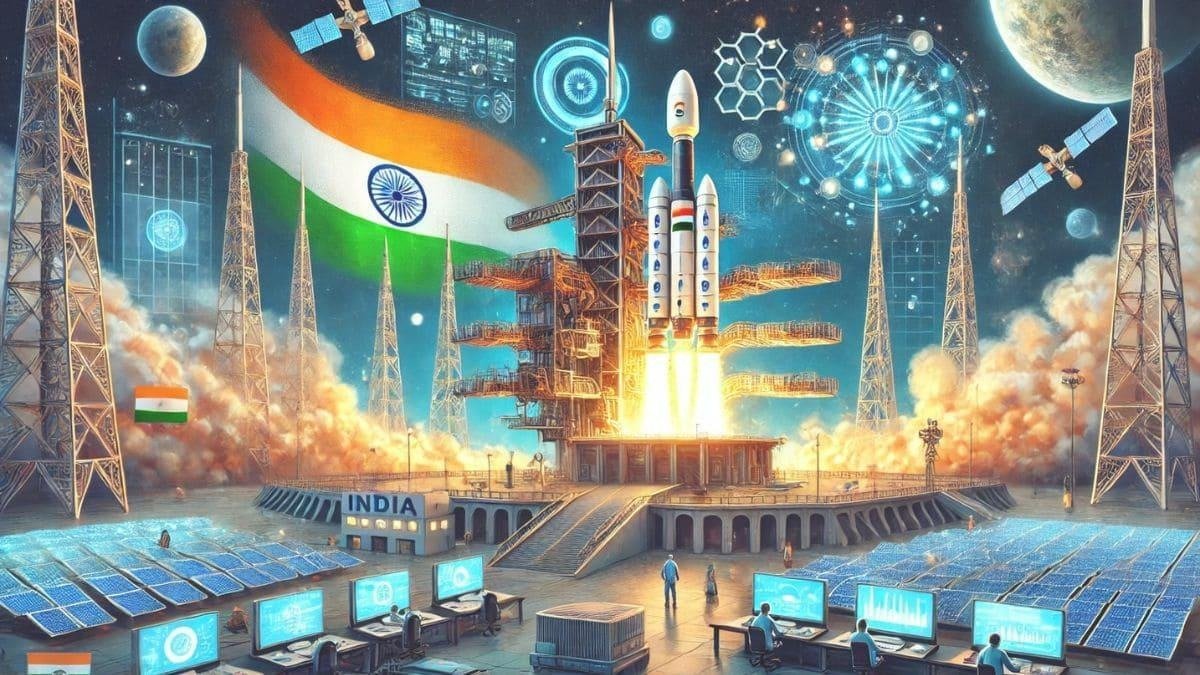
For decades, India was seen as a nation with immense potential but limited technological power. That perception is beginning to change.
What we are witnessing today is not merely a series of successful tests and missions. It is the gradual emergence of a technologically self-confident India — a nation preparing not just to survive in the twenty-first century, but to shape it.

Lt Gen Rajeev Chaudhry (Retd) writes on contemporary national and international issues, strategic implications of infrastructure development towards national power, geo-moral dimension of international relations, and leadership nuances in a changing social construct. The views expressed are of the author and do not necessarily reflect the views of Raksha Anirveda





