


“War is the ultimate realisation of modern technologies, tactics and strategies to be adopted”
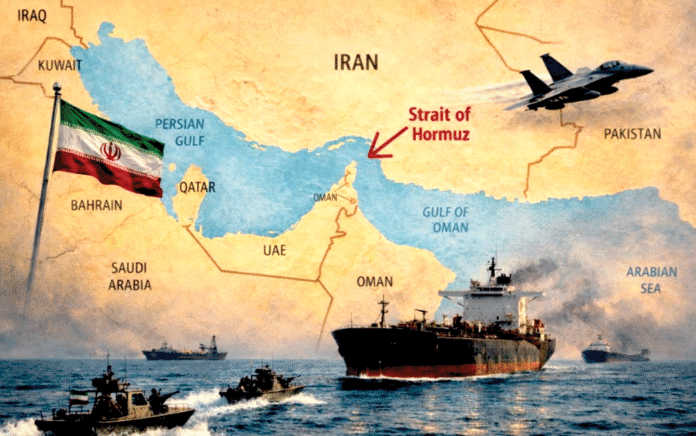
Decades of hostility, especially after Iran’s 1979 revolution, fuelled tensions with the US and Israel. Disputes over Iran’s nuclear program, missile development, and regional influence intensified. The 2018 US withdrawal from the nuclear deal and failed negotiations worsened relations. After Israel and Iran clashed in 2025, tensions escalated. Finally, on 28 February 2026, the US and Israel launched major strikes on Iran, triggering retaliation and full-scale war. Naval battles in the ongoing 2026 US–Iran–Israel war have been intense, especially around the Strait of Hormuz. Early strikes destroyed much of the Iranian Navy (over 60 vessels hit and many sunk); its surface fleet was obliterated, severely weakening its sea power. However, Iran continues targeting shipping and blocking key routes, causing global disruption. US and Israeli forces also faced losses, including damaged ships and casualties, but overall, Iran suffered heavier naval losses, yet still poses threats through missiles, drones, and maritime disruption tactics.

The ongoing conflict in the Persian Gulf and wider West Asian theatre has now rapidly evolved into a defining case study in modern naval warfare. What began as a coordinated air and missile campaign has expanded into a multi-domain maritime contest involving drones, mines, asymmetric tactics, and disruption of global sea lanes. Key aspects of the Indian Navy’s involvement in the ongoing US–Iran–Israel war include protection of energy routes to ensure uninterrupted energy supplies to India, maritime security operations safeguarding against threats like blockades and attacks, the neutral stance to avoid direct military involvement, and the rescue and humanitarian roles in these situations.
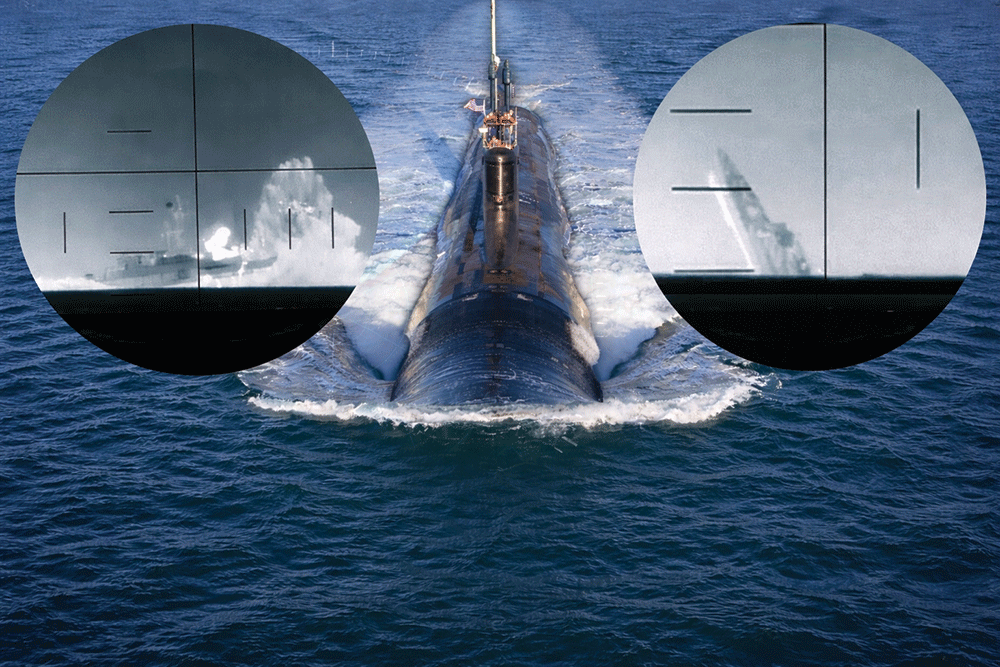
A US Navy submarine carried out a torpedo strike that sank an Iranian warship in the Indian Ocean, off the southern coast of Sri Lanka. The attack marked the first time an enemy vessel had been sunk by a submarine torpedo since the Second World War. This act signified that warring nations can engage targets anywhere in the world, and not only in conflict zones. Hence, for the Indian Navy tasked with safeguarding varied national maritime interests across the Indian Ocean Region (IOR), this conflict offers critical strategic, operational, technological, and doctrinal lessons.
The Indian Navy must transition from a platform-centric force to a network-centric, technology-driven, and resilient maritime power. Large surface combatants are now a thing of the past. Whatever is visible is destructible. Only the hidden, the mobile, the smaller, the faster, and the quieter will survive modern conflicts
As the war rages on, the important concepts coming to the fore are:
Centrality of Maritime Chokepoints
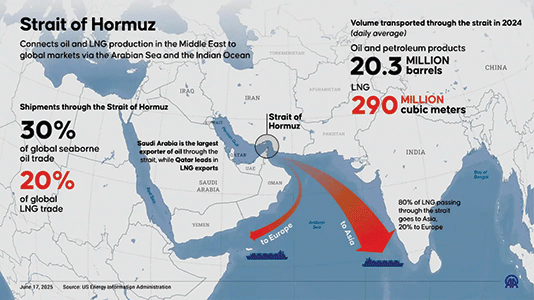
The conflict has reaffirmed the strategic vulnerability of critical chokepoints, particularly the Strait of Hormuz, through which nearly one-fifth (20 per cent) of the global oil trade passes. The war has demonstrated how even a relatively weaker naval power like Iran can threaten global energy flows through denial strategies, including mining, harassment, drone and missile strikes. For India, whose energy lifelines traverse similar chokepoints such as the Strait of Hormuz, Bab el-Mandeb, and the Sunda and Malacca straits, the lesson is clear: sea control is not absolute, and sea denial by adversaries can have highly disproportionate strategic effects. The Indian Navy must enhance its capacity for chokepoint monitoring, rapid mine countermeasure (MCM) deployment, and convoy protection operations.

Asymmetric Warfare & Dominance of the “Small and Smart”
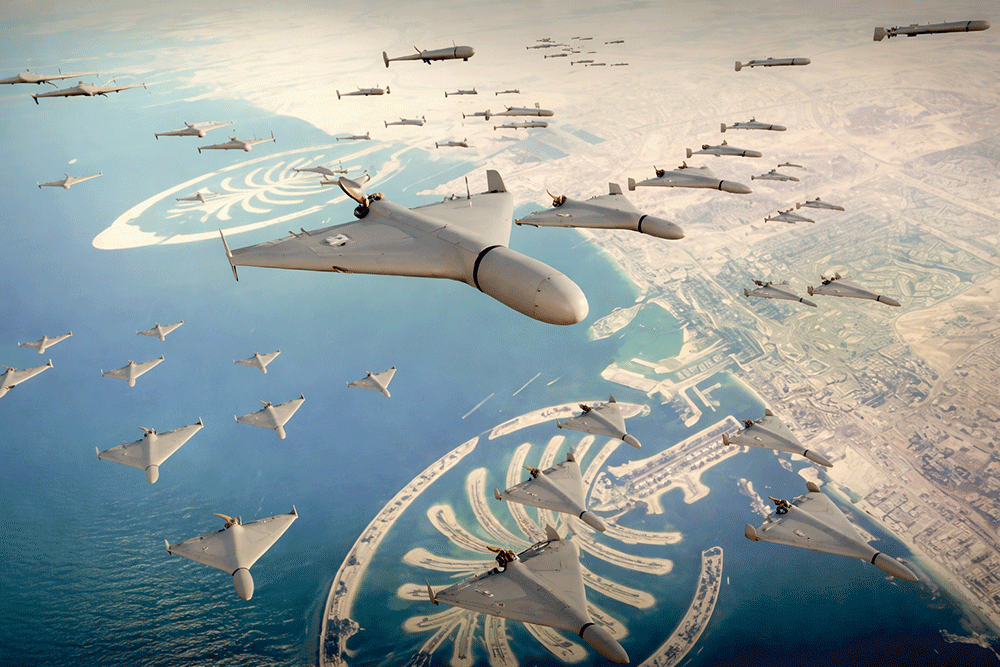
Iran’s naval doctrine centred on swarm tactics using fast attack craft, naval mines, and increasingly unmanned systems has proven resilient even under sustained US and Israeli strikes with proven and costly, technologically advanced systems. Despite the obliteration of its Navy and destruction of significant portions of its conventional fleet, Iran continues to pose a credible threat using low-cost, high-impact systems such as drones and missile boats. The Indian Navy, traditionally oriented toward blue water operations with large platforms like aircraft carriers and destroyers, must internalise the growing importance of distributed lethality. Smaller, networked, and autonomous platforms can complicate adversary targeting and enhance survivability in high-threat environments.
Unmanned Systems: The New Maritime Frontier
One of the most significant developments in the conflict is the deployment of unmanned surface vessels (USVs) and drone boats. The US has operationalised autonomous reconnaissance and potential strike platforms capable of extended patrols and swarm operations. Simultaneously, Iran has effectively used inexpensive drones to target commercial shipping and military assets, highlighting the democratisation of maritime strike capabilities. This underscores a vital lesson: the future navy will be hybrid (manned and unmanned). India must accelerate its indigenous development of unmanned maritime systems, including USVs, Unmanned Underwater Vehicles (UUVs), and AI-enabled surveillance networks. Integration of these systems into fleet operations will be essential for maintaining Maritime Domain Awareness (MDA) and countering asymmetric threats.

Attack on Commercial Shipping
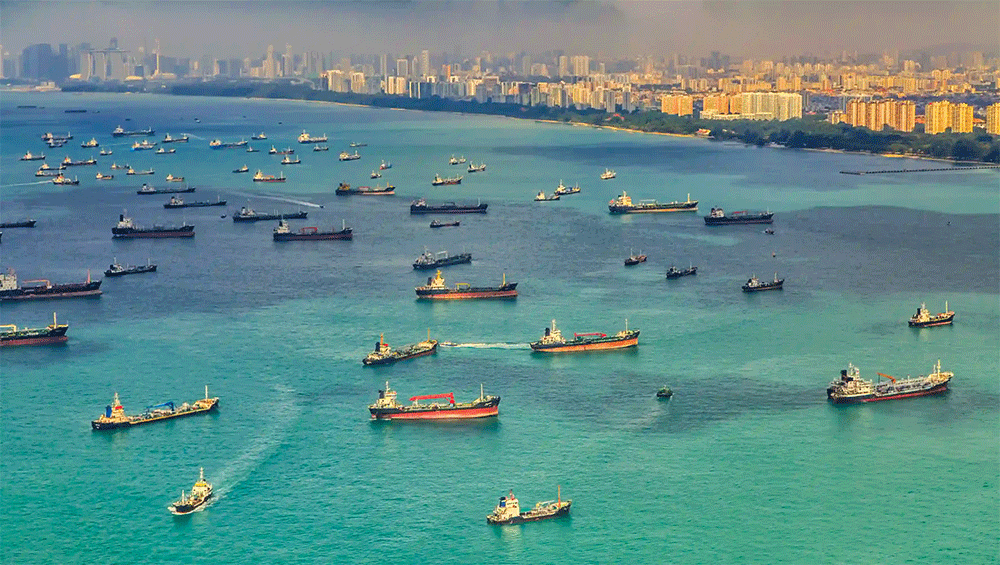
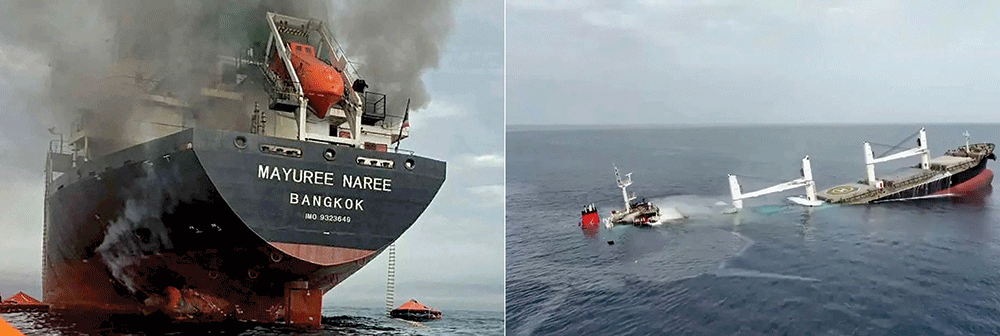
The conflict has blurred the line between civilian and military domains. Iranian targeting and harassment of commercial vessels, regardless of their flag, has created a high-risk maritime environment, affecting global trade and insurance markets. For India, which relies heavily on maritime trade, this raises the imperative of naval diplomacy and escort operations. The Indian Navy’s past experience in anti-piracy missions in the Gulf of Aden provides a template, but future operations will require higher-end capabilities, including electronic warfare, cyber defence, and integrated air defence to protect merchant shipping.
IW and Electronic Disruption
Another critical dimension of the conflict has been the extensive use of electronic warfare, including GPS spoofing and communications disruption in the Gulf. These tactics degrade navigation, targeting, and coordination, especially for technologically dependent navies. The Indian Navy must invest in indigenous, resilient navigation systems, redundancy in communication networks, and robust electronic warfare capabilities. Our alternatives to GPS, such as NavIC, should be fully integrated into naval operations to reduce vulnerability.
Precision Strikes versus Strategic Resilience
The US and Israel have conducted extensive precision strikes targeting Iranian missile bases, naval assets, and industrial infrastructure. While these strikes have significantly degraded Iran’s capabilities, they have not eliminated its ability to retaliate. Iran has adapted by decentralising operations and shifting to mobile launch platforms. This highlights a crucial lesson that ‘destruction of assets does not equate to neutralisation of capability.’ The Indian Navy must plan for adversaries who can absorb initial shocks and continue operations through dispersion and redundancy. It should also seriously implement such a strategy in its bases, its logistics, weapon storage and launch systems.
Joint and Multi-Domain Ops
The conflict has demonstrated high levels of integration between air, naval, cyber, and intelligence assets, particularly on the US-Israeli side. Targeting Iranian naval infrastructure has relied heavily on intelligence fusion and precision airpower. For India, this reinforces the importance of joint theatre commands and seamless integration between the Navy, Air Force, and space assets. Maritime operations can no longer be viewed in isolation; they are part of a broader multi-domain battlespace.
The Persian Gulf today offers a glimpse into the Indian Ocean’s possible future—chokepoint denial, AI-driven unmanned swarms, and hybrid warfare below the threshold of full-scale war. For the Indian Navy, adaptation is no longer optional
Leadership Targeting and Decapitation Strategies
The targeted killing of senior Iranian naval commanders has been a notable feature of the conflict, aimed at disrupting command and control. While such actions can create temporary disarray, they do not necessarily cripple institutional capabilities. The Indian Navy must ensure robust command continuity frameworks, including decentralised command structures and secure communication channels, to maintain operational effectiveness under attack.
Logistics and Sustained Operations
The prolonged nature of the conflict underscores the importance of logistics and sustainment. Operating in high-threat environments with disrupted supply chains requires robust logistical planning and forward deployment capabilities. India’s focus on developing overseas logistics agreements and bases such as in Duqm (Oman) and Assumption Island (Seychelles) should be expanded to ensure persistent presence and rapid response capability across the IOR.
Strategic Implications for India
The Iran–US–Israel conflict is not merely a regional war; it is a preview of future maritime conflicts characterised by:
- Hybrid warfare combining conventional and asymmetric tactics
- Proliferation of unmanned and AI-driven systems
- Targeting of economic and civilian infrastructure
- Persistent grey-zone operations below the threshold of full-scale war
For India, these implications are significant. The Indian Navy must transition from a platform-centric force to a network-centric, technology-driven, and resilient maritime power
For India, these implications are significant. The Indian Navy must transition from a platform-centric force to a network-centric, technology-driven, and resilient maritime power. Large surface combatants are now a thing of the past. Whatever is visible is destructible. Only the hidden, the mobile, the smaller, the faster, and the quieter will survive modern conflicts.
“A good Navy is not a provocation to war. It is the surest guarantee of peace.” — Theodore Roosevelt
Takeaways
The lessons emerging from the Iran–US–Israel war are stark and immediate. Control of the seas is increasingly contested, not just by major powers but by determined regional actors employing innovative and asymmetric strategies. The Indian Navy must adapt to this evolving reality by embracing unmanned technologies, enhancing joint-ness, securing maritime trade, and preparing for high-intensity, multi-domain conflict. In an era where the distinction between war and peace is increasingly blurred, the ability to anticipate and adapt will define maritime superiority. The Persian Gulf today offers a glimpse into the Indian Ocean’s possible future, and the time to prepare is now.

–The writer is a former Indian Navy Submarine Officer. He is an underwater weapons and missile specialist and a deep sea diver. An alumni of DSCSC Mirpur, Dhaka, he has been Directing Staff of the prestigious DSSC, Wellington, Tamil Nadu and instructor at the Submarine Training Centre, INS Satavahana, Visakhapatnam. He regularly writes on military strategy, warfare and technologies. He is an active member of the Strategic Think Tank USI, STRIVE and the Chakra dialogues foundation. The views expressed in the paper are personal. He can be reached at sumit12in@gmail.com





