

New Delhi: Geopolitical tensions and conflicts across parts of the Middle East are reshaping how nations think about defence preparedness. For decades, military strength was largely measured by the size of a country’s arsenal, such as fighter jets, missiles, tanks, and naval fleets. Today, however, the real advantage is not just having more weapons, but being able to quickly design and deploy new defence systems.
Modern conflicts develop at a fast pace, and military needs can change during active operations. Because of this, countries are focusing more on engineering agility, rapid prototyping, advanced manufacturing, and digital design to develop, test, and improve defence technologies faster than traditional procurement processes allow.

In fast-moving conflicts, military readiness depends not only on existing weapons but also on how quickly technology can be adapted and new equipment produced. Countries with strong engineering and flexible manufacturing systems are better prepared to respond to emerging threats.
In India, initiatives such as Make in India and defence indigenisation are accelerating domestic manufacturing capabilities. India’s defence production reached an all-time high of ₹1.54 lakh crore in FY 2024-25, reflecting the growing strength of the country’s indigenous defence industrial base. Defence exports have also surged to a record ₹23,622 crore, highlighting the increasing global acceptance of Indian defence equipment and systems. These developments are strengthening India’s defence ecosystem while reducing dependence on imports and encouraging greater domestic innovation and manufacturing
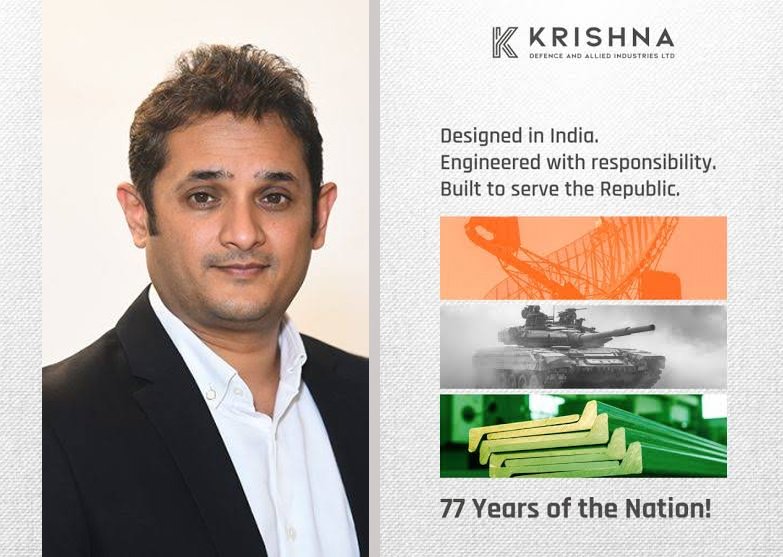
“At a time when geopolitical tensions are evolving rapidly, particularly in regions like the Middle East, defence preparedness depends more on how quickly a country can design and manufacture new technologies and not just the number of weapons it has. Conflicts are evolving rapidly, which means defence ecosystems must be able to innovate and scale production faster than before.

At Krishna Defence, we are focused on strengthening advanced engineering capabilities, precision manufacturing, and indigenous development to support the evolving needs of modern defence platforms across land and naval systems. By investing in design-led innovation, specialised steel manufacturing, and next-generation defence technologies, we aim to contribute to India’s growing self-reliance in defence manufacturing and support the broader vision of strengthening the country’s defence ecosystem,” said Ankur Shah, Managing Director, Krishna Defence and Allied Industries Limited.