
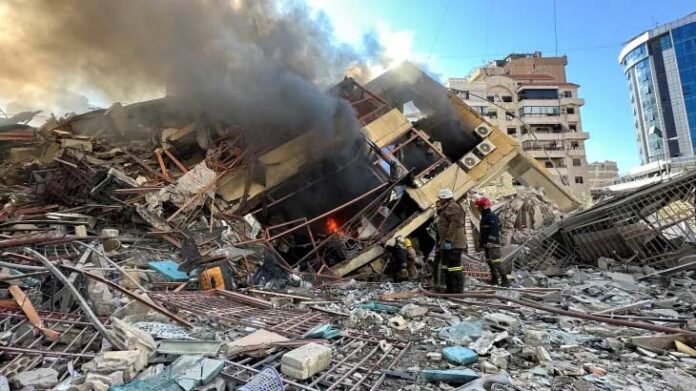
The US and Israel’s air strikes on Iran were expected. Moving two carrier battle groups and multiple aircraft at high cost into the region cannot be solely for the application of pressure. While Middle East nations claimed that they had refused permission to the US to use their bases to target Iran, they pushed the US to do so. The intent was to degrade Iranian capability and economy to a level where it would no longer be a threat. Israel must also have insisted on the US that targeting Iran as a prerequisite for accepting Trump’s Gaza peace plan.
The US naval and air build-up did not go unnoticed by Iran. Despite talks progressing well, Iran prepared for the strikes. It had worked out its options. Ayatollah Khomeini was aware that he and his leadership were primary targets. The Ayatollah had therefore nominated a succession line with the intent of ensuring the survivability of the regime. Militarily, while it faced shortfalls in every sphere, it held the largest stockpiles of missiles and drones in the region. This was its primary means of retaliation.

Trump and Netanyahu believed that Iran would crumble once its top leadership was destroyed, and they had based their plans on this premise. The reality is that no regime under threat would surrender meekly, especially when they are aware that they would be tried for human rights in case they are overthrown. Also, the populace, despite all pressures, would unite against any aggressor, even one who calls for an uprising. Finally, the regime would aim to draw the entire region into conflict in case its existence is at risk. It has nothing to lose. Pakistan warned during Operation Sindoor that it would use nuclear weapons, drawing in the entire South Asia, in case its survivability was at stake.
The IRGC, which was the main target of ongoing strikes, is also aware that its members would be targeted in case there was a regime change or an uprising. Alongside them is the local militia, which is tasked to crush any internal revolt. To ensure that the war continues despite strong military actions, the government in Tehran had given broad directions to leaders of the IRGC in each province to act independently and target the Middle East based on their assessments.
Ayatollah Khomeini was aware that he and his leadership were primary targets. The Ayatollah had therefore nominated a succession line with the intent of ensuring the survivability of the regime. Militarily, while it faced shortfalls in every sphere, it held the largest stockpiles of missiles and drones in the region
Iran has a threefold strategy. First, drawing the region into conflict by engaging US allies in the region, aware that the US’s major effort would be to ensure the survivability of Israel. This would break the existing alliances in the region. This proved successful as many Arab nations accused the US of ignoring them while employing its resources to protect Israel.
The second aspect was to compel the West to use its reserves of air defence missiles to down Iranian drones and missiles. As these exhaust, Iran would launch its hypersonic missiles to damage vital economic and oil targets in the region. If they were going to be pushed to the brink, they would pull down others who had plotted against them. Finally, it was shutting the Straits of Hormuz. If it does so, the global economy would falter, and pressure would mount on Trump.

The US has begun altering its objective. Initially, Trump announced his goal as regime change, while Netanyahu insisted it was to prevent Iran from possessing nuclear weapons. Pete Hegseth, the US Secretary of War, mentioned in a press conference, post the commencement of conflict, that the US aims “to destroy Iran’s navy, its ballistic missiles production, and its potential to produce a nuclear weapon.” He denied it was a ‘democracy-building exercise’.
The role of Iran’s neighbours is also questionable. While Middle East states denied they permitted use of their bases or airspace, many had approached the US secretly, pushing it to engage Iran, fearing its growing military power. Iran’s targeting of the Middle East bases of the US is an indicator that it was aware of it
Both Hegseth and Trump refused to rule out the use of boots on the ground. It is unlikely that the US would consider boots on the ground until the IRGC is made redundant, and that would be unknown for a long time. Iran’s response was unexpected. The US losing three aircraft in the initial stages of the war was attributed to friendly fire. This is unlikely as no Iranian aircraft flew in the region for Kuwaiti air defences to mistake them for Iranian aircraft. Admitting to losses due to Iran’s response would be detrimental.

The role of Iran’s neighbours is also questionable. While Middle East states denied they permitted use of their bases or airspace, many had approached the US secretly, pushing it to engage Iran, fearing its growing military power. Pakistan, which criticised Israel (avoiding mentioning the US) for strikes on Iran, permitted its airspace for US UAVs and also provided air bases for refuelling of US ELINT aircraft.
Iran’s targeting of Middle East bases is an indicator that it was aware of what these nations had done. It has also threatened Pakistan with retaliation for enabling the US to exploit its airspace and bases. Its proxies have also joined in missile strikes. The truth is that no one is neutral, especially in the neighbourhood. Nations act in their self-interest, and for the region, Iran was a power which had to be subdued.
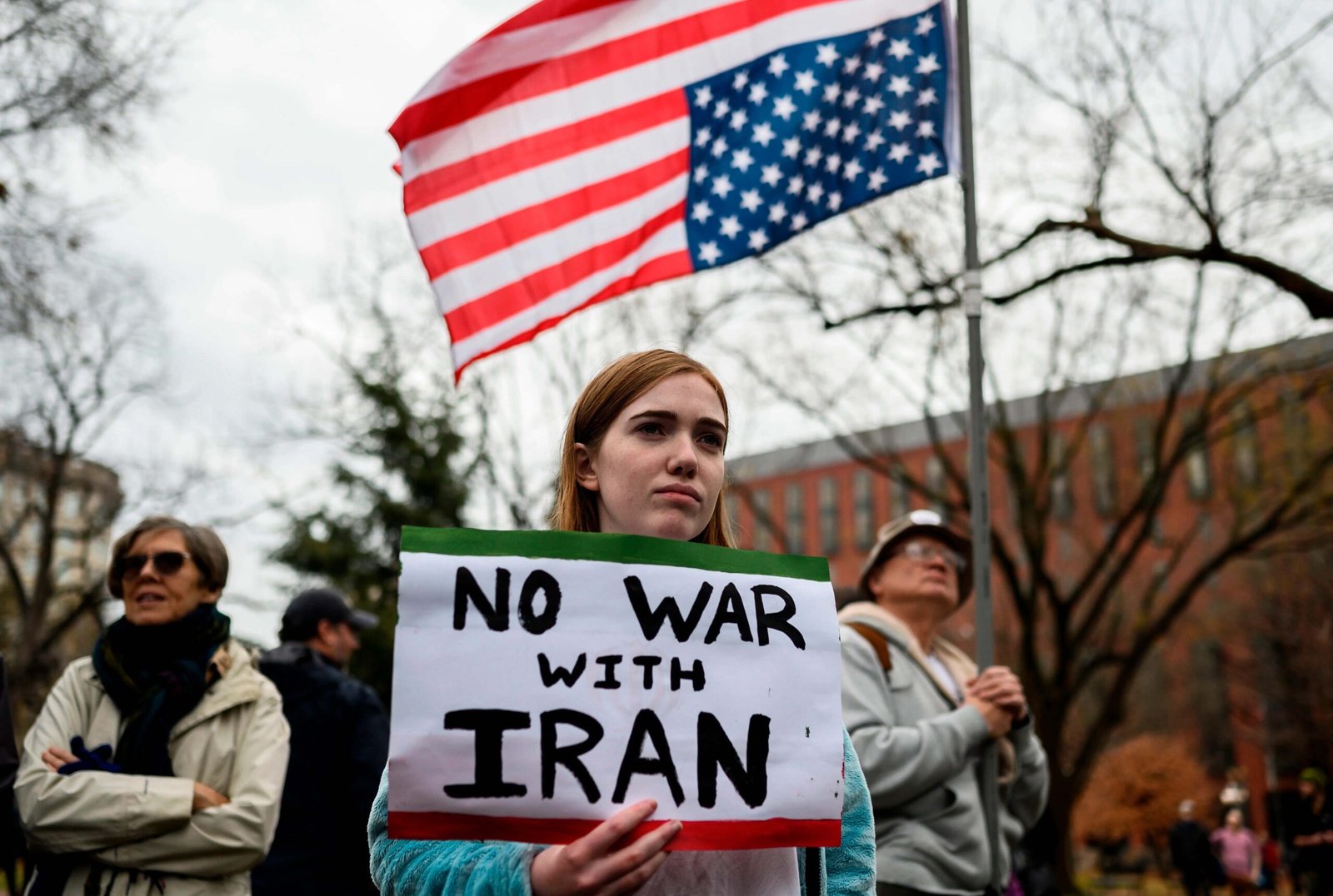
The US commencing operation and also eliminating the head of state without UNSC sanctions indicates it has little respect for global institutions. This is not the first or last time it would do so. How can it morally blame Russia for invading Ukraine and China for a potential threat to Taiwan?
Chinese-manufactured air defence equipment failed yet again. They had failed in defending Pakistan and subsequently Venezuela, and the same happened again. Neither China nor Russia can come to help Iran as they do not have bases in the region. Neither will the US accept their mediation. All they can do is provide diplomatic support and criticise US actions. This means little to the US. Iran will have to fight alone for as long as it can.
Chinese air defence equipment failed yet again. They had failed in Pakistan and subsequently Venezuela, and the same happened again. Also, neither China nor Russia can come to help Iran as they do not have bases in the region. Neither will the US accept their mediation. Iran will have to fight alone for as long as it can
The US knows that it is safe, as Iran has no missiles which could reach the continent. However, it has not factored in internal dissent against the conflict. The Trump administration is now in a bind. If it quits before a regime change or there are major losses of infrastructure and human lives in the Middle East, its actions will come under scrutiny. It cannot succeed without boots on the ground, which carries the risk of a larger loss of lives and a prolonged conflict. For Iran, just the recommencement of talks is a victory.
The US does not possess infinite resources to counter Iranian missile strikes. They would soon begin to run out. Iran has time on its hands, as long as some of its missile and drone storage and production units remain safe. Collateral damage and civilian casualties could make the US lose local support.
Those who celebrated the death of Ayatollah Khomeini were Iranian citizens who had migrated abroad, while those who mourned were Shia Muslims who considered him a religious head. This is why there were protests in India and Pakistan, while celebrations took place in the West.
The US, at some stage, will have to tone down its end state if the current scenario continues. It will be worth watching how it turns out and who takes the first steps towards negotiations.

The writer is a strategic analyst and a motivator. He can be reached at @kakar_harsha. The views expressed are of the writer and do not necessarily reflect the views of Raksha Anirveda
