

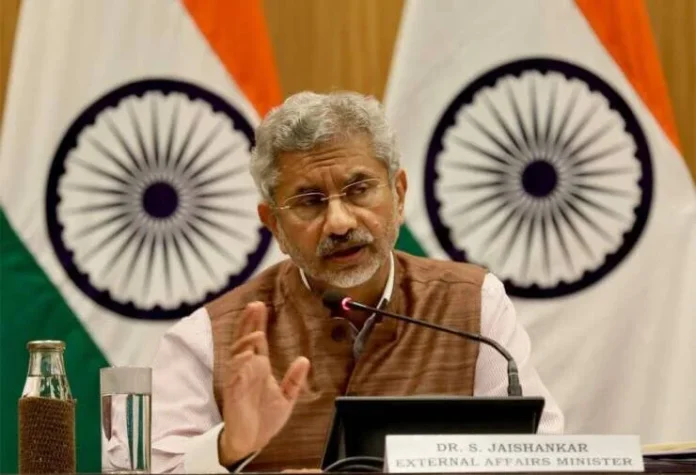
New Delhi: External Affairs Minister S Jaishankar has received widespread international support and strong condemnation from global leaders following the April 22, 2025, Pahalgam terror attack in Jammu and Kashmir, where Pakistan-sponsored terrorists killed 26 people, mostly tourists, and injured many others.
In response, Jaishankar reiterated India’s unwavering resolve to bring the perpetrators, planners, and backers of the attack to justice, emphasising the importance of accountability and lawful pursuit of justice.

UN Secretary-General Antonio Guterres personally called Jaishankar, unequivocally condemning the attack and stressing the need for justice and accountability. Guterres also expressed concern over escalating tensions between India and Pakistan, urging both sides to avoid confrontation and offering his good offices to support de-escalation efforts. Jaishankar, in his public statement, appreciated the Secretary-General’s clear stance and reaffirmed India’s determination to ensure that those responsible are held accountable.
Several other world leaders and foreign ministers extended their solidarity and support to India. Abdullah bin Zayed Al Nahyan, Deputy Prime Minister and Foreign Minister of the UAE, spoke with Jaishankar about the urgent need to counter terrorism in all its forms. Foreign ministers from Sierra Leone, Algeria, Guyana, Slovenia, Panama, Cyprus, Greece, and Somalia also reached out, expressing strong condemnation of the attack and voicing support for India’s fight against terrorism. Jaishankar thanked each of them for their solidarity and discussed the broader need for international cooperation against terrorism.
In the aftermath of the attack, India has taken significant diplomatic and strategic measures against Pakistan. These include suspending the Indus Waters Treaty of 1960, expelling Pakistani diplomats, closing the integrated Attari Check Post, and downgrading diplomatic ties. These steps were decided during high-level meetings chaired by Prime Minister Narendra Modi, who has vowed the “harshest response” and granted the armed forces operational freedom to determine the timing and scale of India’s reaction.
The Pahalgam attack, considered the deadliest in India since the 2008 Mumbai attacks, has not only intensified India-Pakistan tensions but also galvanised international support for India’s position on cross-border terrorism. While Pakistan has denied involvement and called for a neutral investigation, the global consensus-reflected in the calls and statements to Jaishankar-has been one of unequivocal condemnation of the attack and support for India’s right to seek justice.


