


In July 1944, as the Second World War was still raging, representatives from forty-four nations gathered in the quiet resort town of Bretton Woods in New Hampshire. The Mount Washington Hotel, nestled among the
White Mountains, became the unlikely birthplace of the modern financial order. Europe lay devastated, Asia was engulfed in war, and global trade had nearly collapsed. Yet within those conference rooms, economists and policymakers were already designing the architecture of the post-warn world.

It was decided that the United States dollar—backed by America’s enormous gold reserves—would anchor the international system. Under the new arrangement, the US dollar became convertible into gold at $35 per ounce, while other currencies were pegged to the dollar. This created a hierarchical system in which global finance revolved around the American currency.
At the end of the war, the United States held nearly two-thirds of the world’s gold reserves and accounted for roughly half of global industrial output. In such circumstances, the dominance of the dollar seemed both natural and inevitable. For the next quarter century, global commerce operated on a simple monetary equation:
Gold → Dollar → World currencies
Few at the time could have imagined that this arrangement would become the foundation of a financial empire lasting more than eighty years.
The Collapse of the Gold Anchor
The stability of the Bretton Woods system depended on a delicate balance: the United States had to maintain enough gold reserves to back the dollars circulating globally. But by the late 1960s, that balance was beginning to crumble. America’s economic responsibilities had expanded dramatically. Massive spending on the Vietnam War, combined with ambitious domestic welfare programmes under President Lyndon Johnson’s “Great Society,” flooded the global economy with dollars.

Foreign governments began to worry whether the United States actually possessed enough gold to redeem all those dollars. Countries such as France started converting their dollar reserves into gold. As the pressure mounted, US gold reserves declined rapidly. Finally, in August 1971, President Richard Nixon announced a historic decision. The United States would suspend the convertibility of the dollar into gold.
The move, known as the Nixon Shock, effectively ended the Bretton Woods system. For the first time in modern history, the world’s reserve currency was no longer tied to a tangible asset. The dollar had become a purely fiat currency, backed not by gold but by confidence in the American economy and its political power. Many economists at the time predicted that the dollar’s dominance would soon collapse. Instead, something unexpected happened. The dollar found a new anchor.

The Birth of the Petrodollar
The early 1970s were marked by a dramatic upheaval in global energy markets. In 1973, the Arab-Israeli war triggered an oil embargo by major Arab producers, sending oil prices soaring and shaking Western economies.
Amid this turbulence, the United States quietly negotiated one of the most consequential economic arrangements in modern history.
In 1974, Washington reached a strategic understanding with Saudi Arabia, the largest oil exporter in the world and the dominant power within OPEC. Under this arrangement, Saudi oil exports would be priced exclusively in US dollars. In return, the United States provided military protection, security guarantees, and access to advanced weaponry.
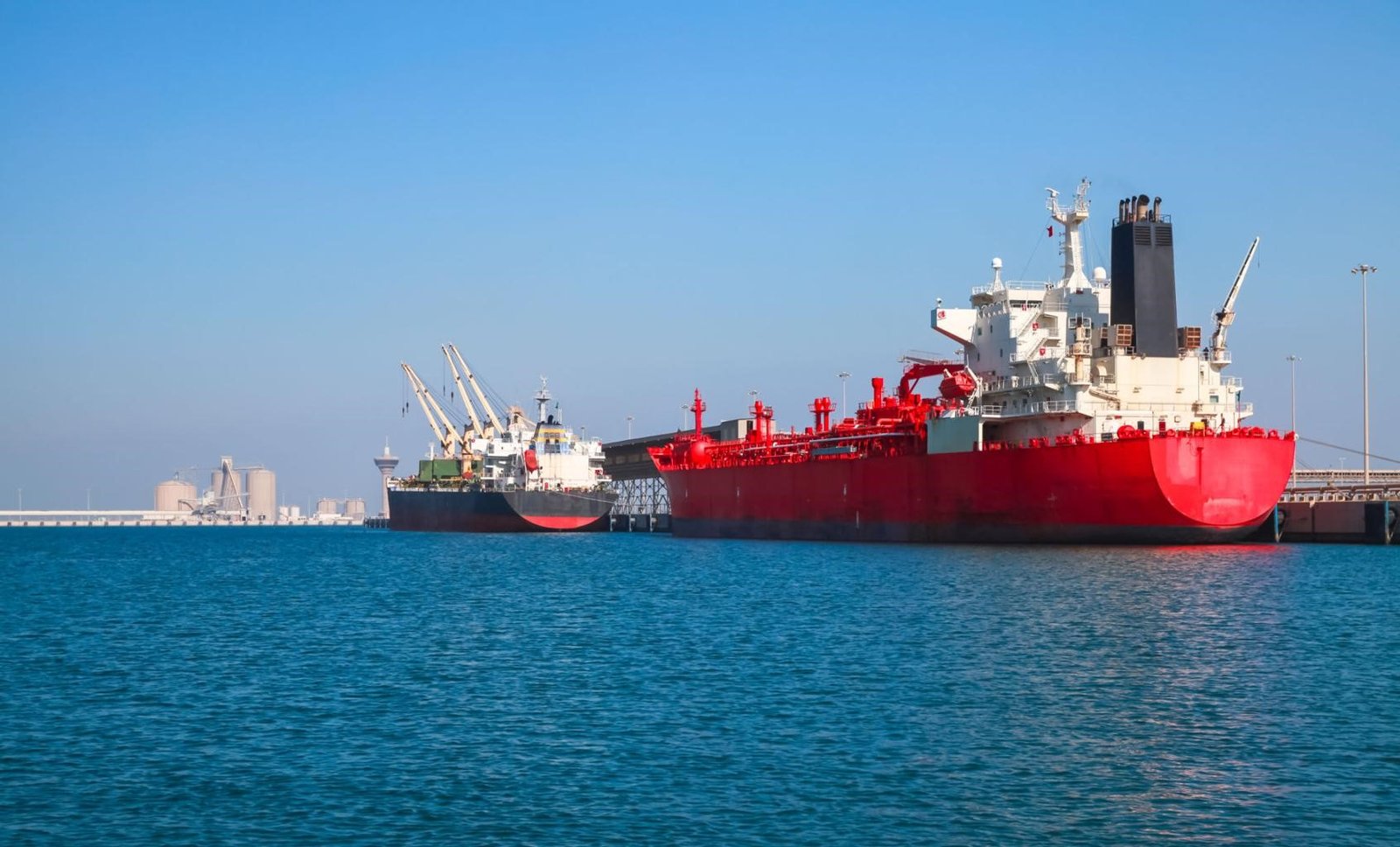
Equally important was what happened to the massive revenues generated by rising oil prices. Oil-exporting states agreed to recycle their surplus dollars into US financial markets, particularly into American Treasury bonds. This arrangement created what later became known as the petrodollar system.
The global monetary equation changed:
Oil trade → Dollar demand → American financial dominance
The system proved remarkably durable. By the 1980s and 1990s, the dollar had become deeply embedded in global trade, finance , and central bank reserves. What began as a pragmatic arrangement during an energy crisis evolved into one of the central pillars of American geopolitical power.
The Financialisation of Dollar Power
Over the past two decades, however, the foundations of dollar dominance have gradually shifted again. While oil remains important, the real engine of the modern dollar system is now global finance itself.
The United States possesses the largest and most liquid capital markets in the world. At the centre of this system lies the US Treasury market, which functions as the planet’s primary “safe asset.” Central banks, sovereign wealth funds, and global investors collectively hold trillions of dollars in US government debt.
Today, approximately 58 percent of global foreign exchange reserves are still held in US dollars. The euro accounts for around 20 percent, while the Chinese yuan remains below 4 percent. This financial depth creates a powerful network effect. International trade contracts, commodity pricing, and global banking operations are overwhelmingly denominated in dollars.
The Iran Factor and the Politics of Sanctions
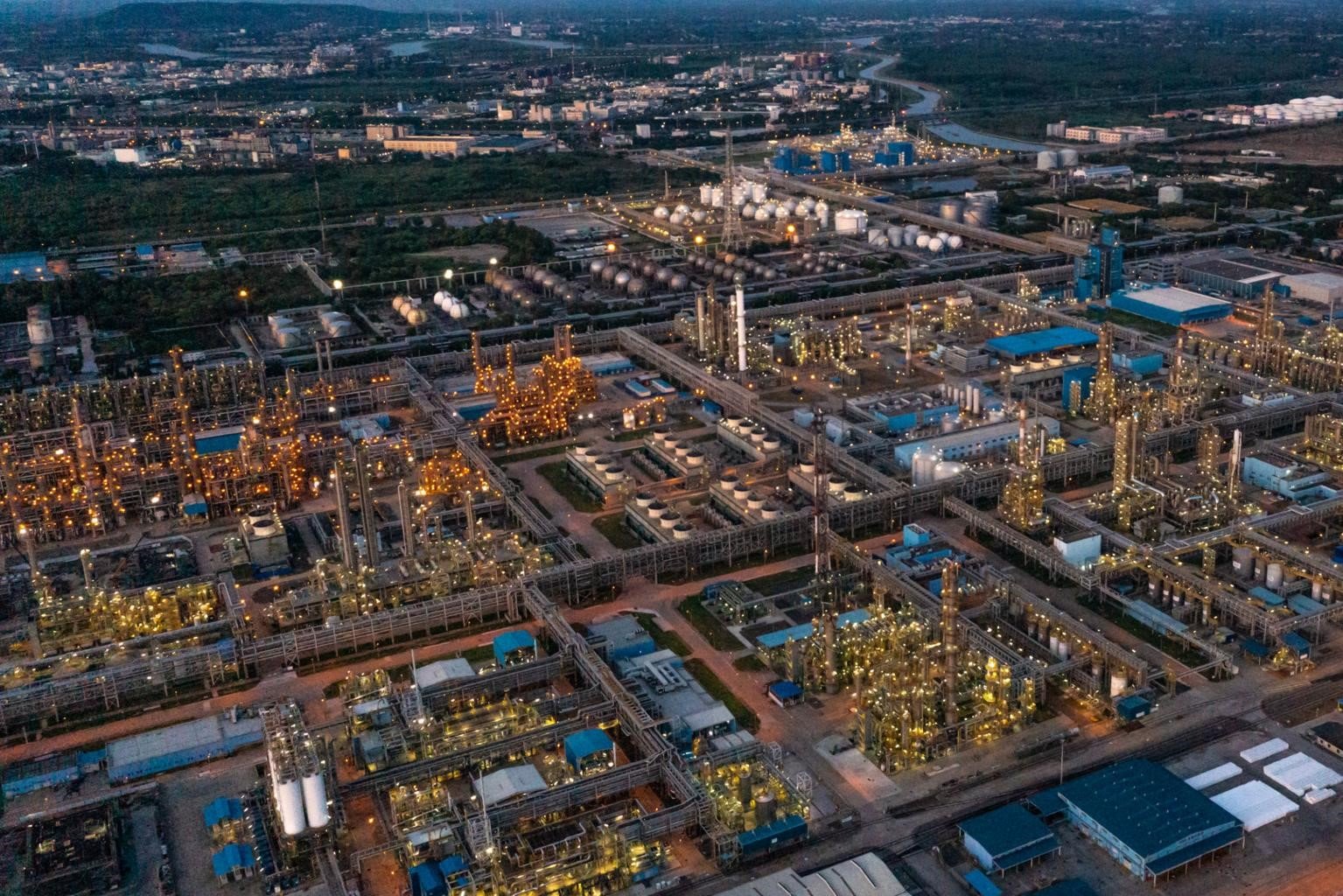
In recent years, the debate over the future of the dollar has increasingly intersected with geopolitical tensions in West Asia, particularly involving Iran. Unlike most major oil exporters, Iran has operated partly outside the dollar-based financial system for years. A
series of US sanctions targeting Tehran’s nuclear programme has effectively cut the country off from the global banking network dominated by the dollar. As a result, Iran has been forced to experiment with alternative mechanisms for conducting international trade.
Most international trade contracts, commodity exchanges, and financial derivatives are denominated in dollars. Switching to another currency would require a massive reconfiguration of global financial infrastructure
Some Iranian oil exports are reportedly settled in Chinese yuan. Others rely on barter arrangements or regional currency settlements through intermediaries. These workarounds are far from ideal, but they illustrate how geopolitical pressure can push countries to search for alternatives to the dollar system.
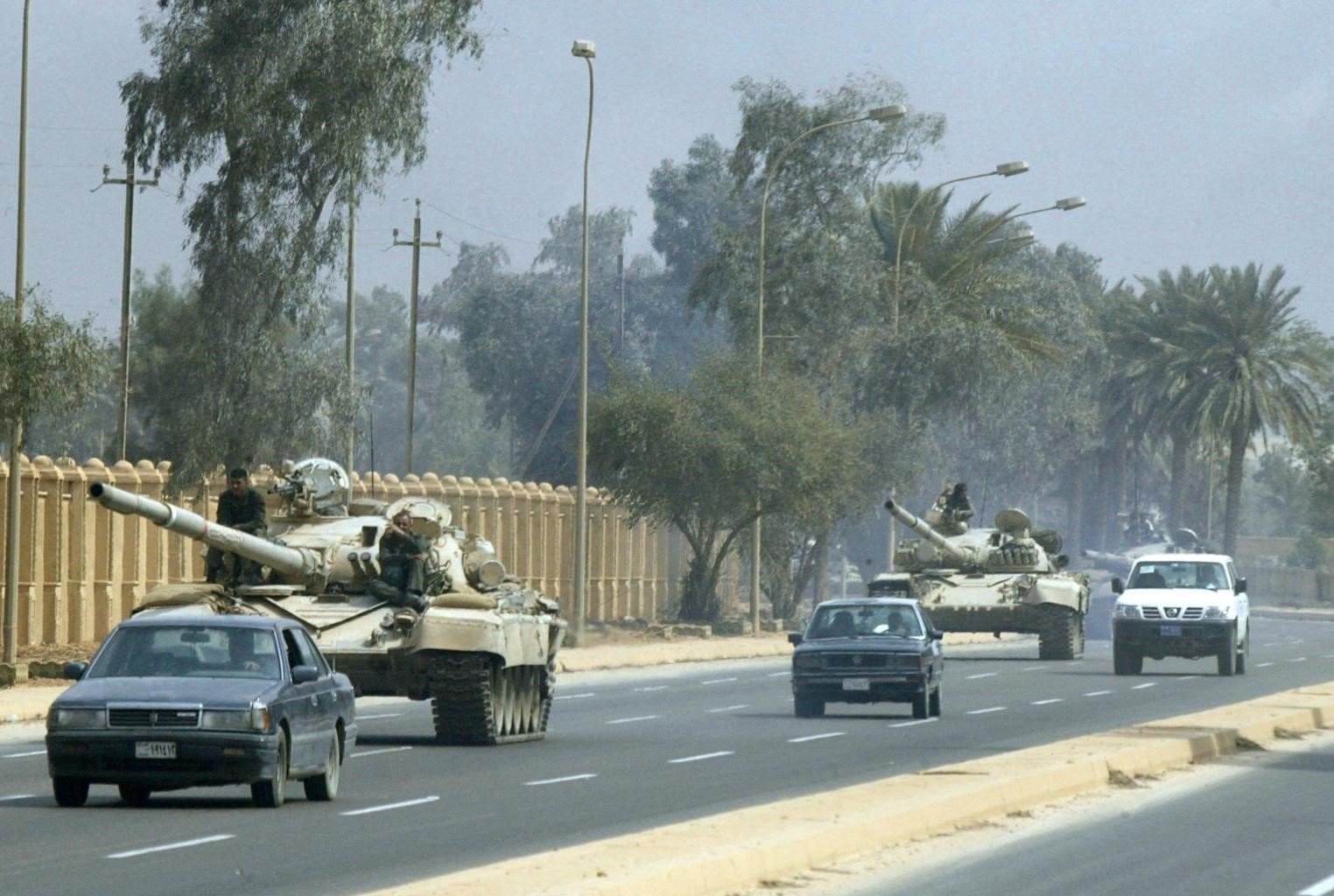
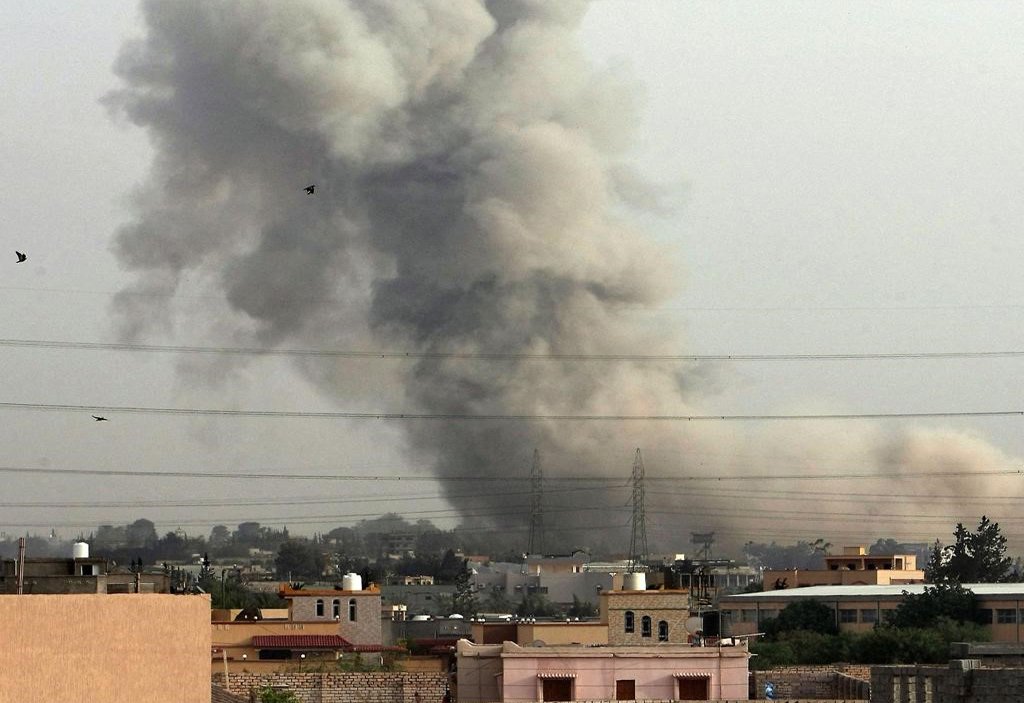
If the on-going conflict involving Iran disrupts energy markets across the Persian Gulf, the consequences could ripple far beyond oil prices. Energy-importing nations are already making efforts to diversify payment systems or establish regional financial arrangements that reduce dependence on the dollar.
Yet history suggests that the immediate effect of geopolitical crises is often the opposite of what many observers expect. Rather than weakening the dollar, global turmoil frequently strengthens it.
Why Wars Often Strengthen the Dollar
Financial markets have a consistent reaction to geopolitical uncertainty: investors rush toward safe assets. In the modern global economy, the ultimate safe asset remains US government debt.
During periods of instability—from the Gulf War in 1991 to the global financial crisis of 2008 and the Russia-Ukraine war beginning in 2022—international capital flowed into US Treasury bonds and dollar-denominated assets. The same pattern could repeat after the on-going conflict in West Asia.
This phenomenon reflects the structural advantages that sustain the dollar’s dominance. The United States still possesses the deepest and most liquid financial markets in the world. The US Treasury market alone exceeds $25 trillion, making it the largest pool of safe government debt available to global investors.
Equally important is the network effect of the existing system. Most international trade contracts, commodity exchanges, and financial derivatives are denominated in dollars. Switching to another currency would require a massive reconfiguration of global financial infrastructure. For these reasons, replacing the dollar is far more difficult than simply declaring a new reserve currency.
The Rise of De-Dollarisation
Despite the dollar’s resilience, signs of gradual change are becoming increasingly visible. Several countries have begun exploring ways to reduce their exposure to the dollar system. Russia and China now conduct a growing share of their bilateral trade in yuan and rubles. India has experimented with rupee-based settlement mechanisms for trade with sanctioned economies. Meanwhile, discussions within the BRICS grouping have focused on expanding the use of local currencies in international transactions.
These initiatives are driven partly by geopolitical considerations. The extensive use of financial sanctions by the United States—particularly the freezing of Russian central bank assets following the invasion of Ukraine—has reinforced concerns among some governments about the risks of excessive dependence on the dollar.
Energy markets are also evolving. China, now the world’s largest oil importer, has promoted yuan-based oil futures contracts through the Shanghai International Energy Exchange. Gulf producers have cautiously explored the possibility of accepting non-dollar currencies for a portion of their energy exports.
Yet the scale of these experiments remains relatively small compared with the global dollar system. The network effects that sustain dollar dominance are powerful, and the absence of a comparable alternative financial market continues to limit the pace of change.
If a new monetary order emerges, it will evolve gradually as economic power shifts, new technologies reshape financial networks, and the global balance of influence becomes increasingly multipolar
The Possibility of a New Monetary Order
History suggests that international monetary systems evolve in response to shifts in economic power. The gold-backed Bretton Woods system emerged from the aftermath of the Second World War, when the United States stood as the dominant industrial power. The petrodollar system of the 1970s reflected the central importance of energy markets and the
strategic partnership between Washington and the oil-producing states of the Persian Gulf.
Today, the global economy is entering a more complex and multipolar era. China has become the world’s second-largest economy and the largest trading partner for dozens of countries. Digital payment systems and central bank digital currencies are beginning to reshape the infrastructure of international finance. Regional trade blocs are experimenting with alternative settlement mechanisms.
These trends suggest that the future monetary system may not revolve around a single dominant currency. Instead, the world could gradually move toward a multi-currency reserve structure in which the dollar, the euro, and the yuan coexist alongside emerging digital financial networks. Such transitions, however, tend to unfold slowly.
Takeaways
The history of the modern monetary order can be traced through a sequence of strategic anchors. In 1944, gold gave credibility to the dollar at Bretton Woods. In the 1970s, oil markets reinforced its dominance through the petrodollar system. In the twenty-first century, deep and liquid financial markets continue to sustain its global role.
Geopolitical conflicts—from the Middle East to Eastern Europe—may accelerate debates about de-dollarisation. Yet the foundations of dollar power remain deeply embedded in the global economy. If a new monetary order eventually emerges, it is unlikely to arise from a single war or financial crisis. Rather, it will evolve gradually as economic power shifts, new technologies reshape financial networks, and the global balance of influence becomes increasingly multipolar.
For now, the dollar still casts a long shadow over the world economy—an enduring legacy of decisions taken eight decades ago in the quiet mountain town of Bretton Woods.

Lt Gen Rajeev Chaudhry (Retd) writes on contemporary national and international issues, strategic implications of infrastructure development towards national power, geo-moral dimension of international relations, and leadership nuances in a changing social construct. The views expressed are of the author and do not necessarily reflect the views of Raksha Anirveda
