

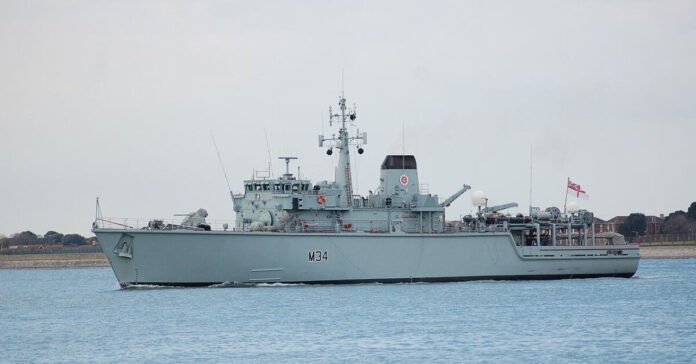
Tel Aviv: President Trump’s growing disappointment with NATO and the possibility of the withdrawal of the US from the treaty, will accelerate the planned upgrade of the British Navy. Britain refused to send its navy ships to assist in dismantling the Iranian blockade of the Strait of Hormuz.
The British Royal Navy continues to have cutting-edge capabilities, but it is not prepared for full-scale combat. According to recent evaluations, deployable assets have both major limitations and strengths.

Two Queen Elizabeth-class aircraft carriers, six Type 45 destroyers, seven frigates, and ten submarines make up the Royal Navy’s approximately sixty-three ships. With F-35B aircraft, these constitute powerful carrier strike groups that enable global patrols, NATO operations, and underwater supremacy. Only approximately 25 of them are actually combat ships, and several of them are undergoing maintenance or refit.
Amid US pressure for deployments to the Middle East, First Sea Lord General Sir Gwyn Jenkins said in March 2026 that the Navy is “not ready for war” and has “work to do” for high-intensity battle. Early in 2026, there were only 12 operational combat ships due to refits like as Vanguard-class submarines, which left gaps in deterrence rotations. Upgrades include Type 26 frigates for submarine hunting, Naval Strike Missiles, and AUKUS-linked autonomous systems.
The British government has pledged £270 billion in defence spending to enhance warfighting readiness via a Strategic Defence Review.
According to Israeli sources, the Israeli Navy’s recent improvements can teach the British Royal Navy important lessons, especially on adjusting to asymmetric warfare and hybrid threats. Israel’s changes since October 7, 2023, provide useful ideas for a growing navy dealing with financial limitations and changing marine difficulties.

The Israeli Navy shifted from coastal defence to expeditionary operations.
It also emphasised long-duration patrols with improved resupply, crew rotation, and preemptive strikes using maritime-to-land capabilities against distant threats like Houthi sites.

The Royal Navy has engaged Israel through joint exercises, such as NATO’s Crystal Sea 2020 for medical evacuations and HMS Bulwark’s 2016 visit with tactical drills. NATO recognises mutual benefits, with Israel gaining submarine maintenance expertise from partners like Greece, while sharing daily operational experience against real-world enemies.
The sources said that Israel’s model of disciplined maintenance, tactical adaptability, and AI-driven platforms could help the Royal Navy maximise ageing fleets amid global commitments.

-The writer is an Israel-based freelance journalist. The views expressed are of the writer and do not necessarily reflect the views of Raksha Anirveda
