

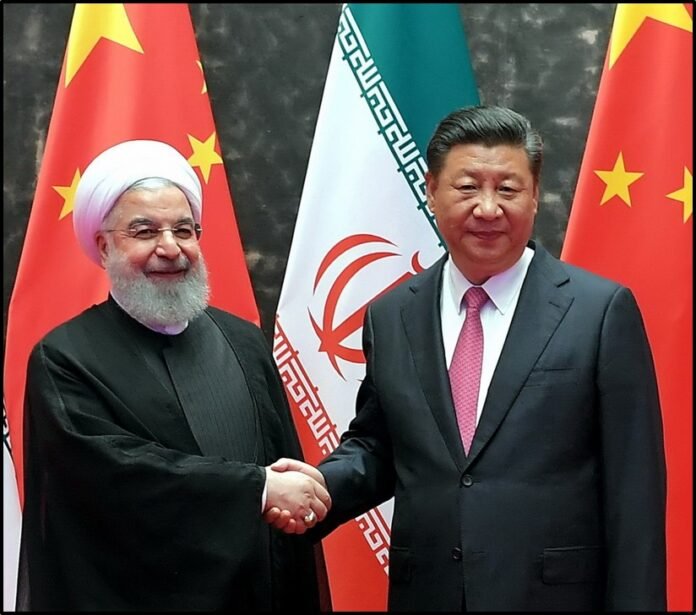
Tel Aviv: China has agreed to sell different weapon systems to Iran in a major ” Barter deal” – arms for crude oil.
Western sources confirmed that Iran is reportedly engaged in negotiations to buy Chinese military weapons, including missiles, drones, and air defense systems, and plans to pay for these weapons with oil shipments.The sources said that this arrangement appears to be part of a broader covert barter system in which Iran delivers oil to China, and in return, Chinese companies provide weapons and infrastructure projects rather than making cash payments.

The key Chinese partner in these dealings is Haokun Energy, a Beijing-based firm linked to the IRGC, which owes Iran about $1 billion for oil transactions. The recent 12-day war with Israel severely damaged Iran’s air defence systems, heightening the urgency for replenishment through Chinese arms purchases. This would mark the first known case of China directly supplying military equipment to Iran using oil as payment, reflecting a deepening covert strategic partnership amid US sanctions and growing geopolitical tensions.
This oil-for-weapons deal fits into a wider context where China secures discounted Iranian oil, typically at a minimum 12% discount plus additional risk-adjusted compensation, while investing billions into Iranian infrastructure and energy sectors over a 25-year cooperation programme. The barter and credit arrangements minimise the role of traditional financial systems, allowing both countries to sidestep US sanctions.
Israeli sources said that the deal also includes the HQ-9 long-range air defence system, the Chinese equivalent of the Russian S-300/S-400 system, which is capable of intercepting aircraft, cruise missiles and some ballistic missiles, thus significantly improving Iran’s air defence network.
Tehran is also expected to acquire the JY-14 long-range air defence radar, an early warning radar capable of identifying and tracking air targets at long ranges, thus contributing to increasing Iran’s strategic air awareness.

These developments come against the backdrop of continued Western sanctions on Tehran, which is pushing Iran to increase its cooperation with China and Russia as strategic alternatives. The deal also reflects Beijing’s desire to secure Iranian energy supplies at preferential prices in exchange for expanding its military and political influence in the Middle East.

-The writer is an Israel-based freelance journalist. The views expressed are of the writer and do not necessarily reflect the views of Raksha Anirveda

