

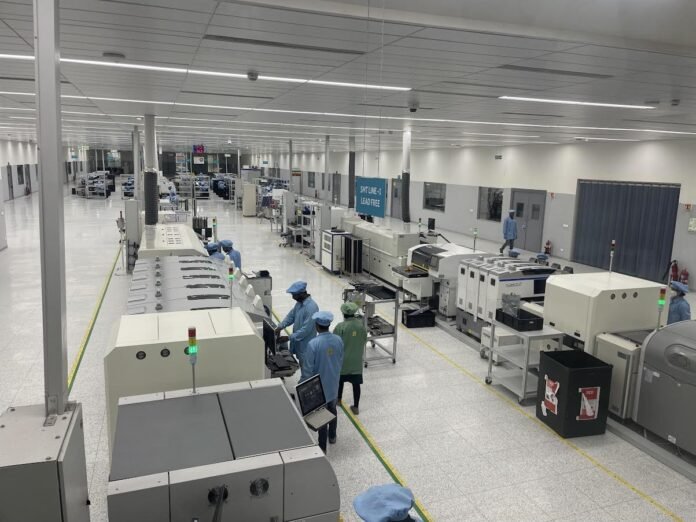
The city of Hyderabad, renowned as the home of Hi-Tech City and Special Economic Zones (SEZ), is solidifying its position as a major powerhouse in India’s Aerospace and Defence (A&D) sector. It hosts numerous companies that have scaled new heights based on their innovation, entrepreneurial spirit, and commitment to achieve something new in their respective domains, such as drones, AI, and technology solutions.
This emergence is driven by a deep-rooted ecosystem and significant investment:

Global Investment Hub: Hyderabad has recently attracted significant global investment, notably the establishment of French giant Safran’s massive engine Maintenance, Repair, and Overhaul (MRO) facility for commercial and military engines, underscoring its appeal as a high-value industrial base.
Robust MSME Ecosystem: The region is the operational base for over 1,500 Micro, Small, and Medium Enterprises (MSMEs) alongside major global A&D players, creating a resilient and comprehensive supply chain.
More than 3,500 critical parts manufactured by Cyient DLM are currently in space, an achievement that reflects the company’s deep expertise and commitment to advancing India’s space ambitions. Cyient DLM is built around the philosophy of Design Led Manufacturing, delivering safety and mission critical electronics products and components.
Economic Impact: The state’s focus has translated into strong economic performance, with aerospace and defence exports recently surging, reflecting the sector’s unprecedented growth and contribution to the national economy.
Infrastructure and Skill Development: The presence of dedicated Aerospace Parks (like Adibatla and GMR), coupled with historical defence research facilities (DRDO, RCI), provides the necessary infrastructure and a skilled workforce pool, positioning Telangana to potentially become India’s A&D capital by 2030.

The three companies profiled here demonstrate the depth and breadth of capabilities contributing to the national vision of self-reliance, or Aatmanirbhar Bharat, across key defence and technology domains:
Cyient: A Leading Global Technology Solutions Company
Cyient enables its customers to apply technology imaginatively across their value chain to solve problems that matter. Customers leverage Cyient’s expertise in engineering, manufacturing, and digital technology capabilities to deliver and support their next-generation products, which meet the highest standards of safety, reliability, and performance. Cyient designs, builds, and maintains products, plants, and networks, transforming them into intelligent systems powered by advanced technologies. By leveraging AI, data analytics, cloud computing, and 5G, Cyient solves critical problems with purpose and precision. Cyient calls this unique approach Intelligent Engineering, where imagination meets transformation to create meaningful impact.

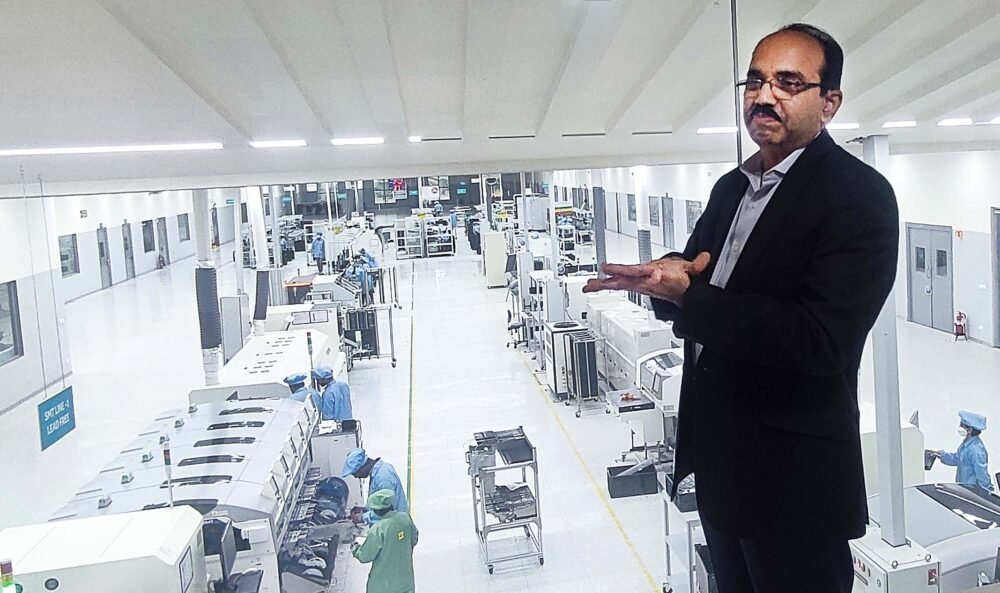
Rajendra Velagapudi, MD & CEO of Cyient DLM (a subsidiary of Cyient), explained that DLM stands for Design Led Manufacturing and reflects the company’s commitment to delivering engineering excellence tailored to customer requirements.
Core Focus: Cyient DLM is built around this philosophy, customising solutions and delivering safety and mission critical electronics products and components for aerospace and defence, industrial, medical, and automotive sectors. Essentially, Cyient DLM focuses on low to medium volume and high complex products where reliability is essential.
End-to-End Capabilities: While Cyient DLM offers design-led manufacturing, Cyient undertakes significant design work for the customers. These designs are based on customer specifications and end-user requirements. The company supports customers who do not have an in-house design team, developing complete engineering designs, facilitating reviews, obtaining clearances and approvals from certifying bodies, and ensuring a seamless transition to manufacturing.
Space Sector Contribution: Rajendra expressed strong confidence in the strength of the Indian space sector, highlighting its rapid evolution and the surge of innovative start-ups. He noted that these new-age companies rely on experienced partners like Cyient to scale, integrate, and deliver complete solutions, as they often lack the end-to-end capabilities needed for complex space programmes. Furthermore, he proudly noted that more than 3,500 critical parts manufactured by Cyient DLM are currently for the space sector, an achievement that reflects the company’s deep expertise.
Zenerative Minds: Offering AI-based Solutions
Zenerative Minds represents a powerful convergence of vision and expertise—an organisation shaped by the collective strengths of military veterans, technology innovators, and business development leaders. This diverse blend enables it to deliver exceptional solutions at the intersection of technology, strategy, and real-world operational needs.
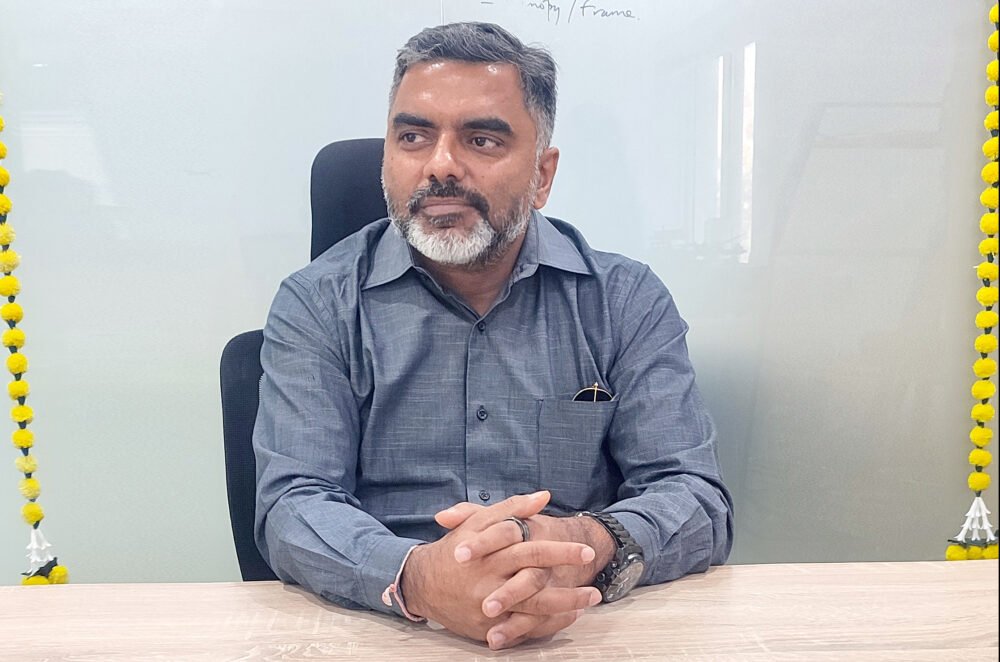
Lt Col Narendra Tripathi (Retd), Co-founder & CEO of Zenerative Minds, shared that the company is at the forefront of AI-driven innovation, dedicated to transforming how the defence forces operate.
Generative AI for Defence (Samvaad AI): The organisation’s engineers, data scientists, and domain experts are committed to developing state-of-the-art AI systems. A key innovation is the Generative AI–based solution developed under the iDEX programme for the Indian Navy—Samvaad AI. Col Tripathi described it as a game-changing platform for defence and any sector where secure handling of critical data is paramount. Samvaad AI provides:
A secure, air-gapped conversational interface for operational queries; advanced document intelligence across videos, manuals, images, and text; voice and text interaction with multilingual support; role-based access control; offline capability with no external connectivity, and agentic workflows capable of generating documents and reports on demand.
Zenerative Minds is at the forefront of AI-driven innovation, dedicated to transforming how the defence forces operate. They developed the Samvaad AI solution under the iDEX programme for the Indian Navy, which provides a secure, air-gapped conversational interface and advanced document intelligence
He emphasised that these features make Samvaad AI a robust and future-ready solution for sensitive and high-stakes environments.
Drone and Surveillance Systems: The team is also advancing AI-powered autonomous navigation systems, enabling drones to fly safely and efficiently through complex environments using precision path planning and advanced obstacle avoidance. Their multi-attribute detection suite allows drones to identify, track, and analyse objects in real time, supporting missions such as surveillance, search and rescue, and situational monitoring. Additionally, their imaging and mapping solutions convert raw drone data into actionable intelligence, including detailed 3D models and analytics.
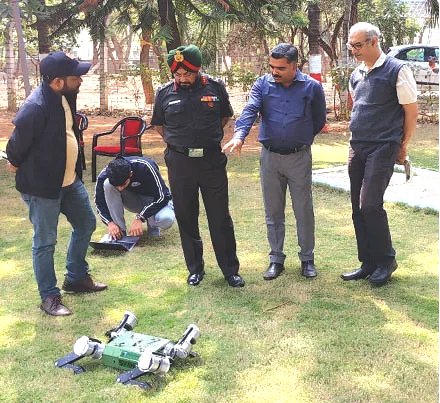
AI-Powered Surveillance: Zenerative Minds’ AI-powered surveillance platform reimagines traditional monitoring through adaptive, learning-based intelligence. The system identifies and tracks people, vehicles, and objects—distinguishing normal behaviour from potential threats using sophisticated behavioural algorithms and issuing real-time alerts. Powered by machine learning, it delivers accurate facial recognition even in crowded environments and enhances situational awareness by mapping movement patterns and identifying high-traffic areas. Zenerative Minds remains committed to delivering indigenous, deeply integrated AI solutions designed for the future of national security.
Lokesh Defence: Fulfilling Defence Needs Indigenously
Lokesh Defence is a company that has recently entered the defence sector as a division of Lokesh Machines Limited (LML), a company with an established history in the machine tool industry, primarily manufacturing CNC machines. Lokesh Machines is investing significantly in its defence division.
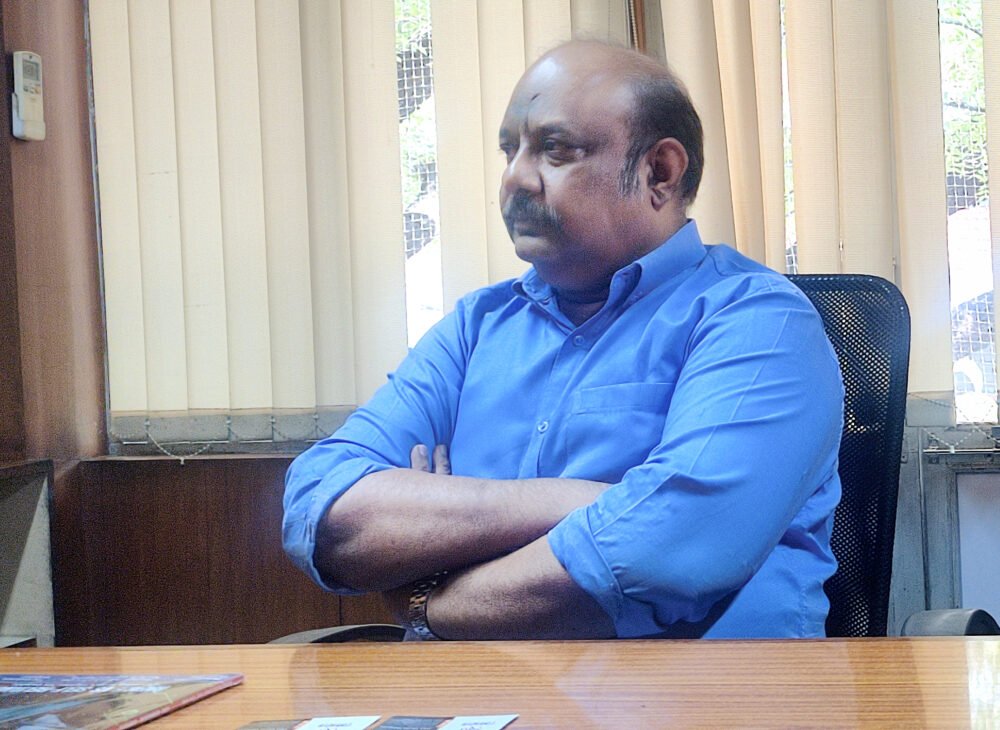
Indigenous Small Arms Portfolio: The division manufactures the indigenous 9mm machine pistol, ASMI and the 7.62x51mm LMGs, GPMGs and MMGs in its small arms portfolio, besides other components for defence and aerospace. The company’s primary activity is the manufacture of fabricated and machined metal products, with a specific focus on defence components.
Investment and Ecosystem: The company has invested ₹100 crore in a Greenfield manufacturing facility in Toopran, Hyderabad, with an initial focus on exports and developing a global footprint in the development of small guns. The new division was established in response to the Government of India’s call for an Aatmanirbhar Bharat. The company is also constructing a vendor park around the plant to develop an ecosystem of suppliers and handhold them in developing precise parts for small arms.
Lokesh Defence (LML) delivered 550 ASMI Machine Pistols to the Indian Army in a record four months’ time. This achievement makes LML the first manufacturer in the private sector to deliver 100 per cent indigenous small arms to the Indian Army
ASMI Development & Delivery: M Srinivas, Director of LML, says that LML has always followed a “Dare to Do” approach. This was demonstrated when commissioned by ARDE (Armament Research and Development Establishment) to manufacture some critical components for small arms, a challenge the company willingly accepted and delivered in record time. This led to them being asked by the ARDE to manufacture the ASMI, and LML yet again accepted the challenge and delivered the working prototypes in less than 3 months.

This subsequently led to LML establishing a separate Defence Division. LML’s crowning achievement was the delivery of 550 ASMI Machine Pistols for the Indian Army in record four months’ time, thus becoming the first manufacturer in the private sector to deliver 100 per cent indigenous small arms to the Indian Army. Following this success, LML is currently looking at export of these guns through partner entities.
Key Takeaways
The success of companies like Cyient, Zenerative Minds, and LML unequivocally proves that Indian entrepreneurs are fully committed to national programmes like making India an Aatmanirbhar Bharat and achieving the goals of Viksit Bharat@2047. Their demonstrated innovation, rapid development timelines, and high-quality, indigenous manufacturing are vital steps towards building a globally competitive defence industrial base.
However, the government too needs to get its act together and help such entrepreneurs by addressing existing policy and procedural obstacles. Two major systemic lacunas continue to bottleneck the sector:
Policy Friction: Companies like Cyient, which cater to a global customer base and operate from special zones, face policy contradictions. Despite their world-class manufacturing capabilities, they cannot sell their products to Indian domestic customers due to SEZ rules and higher export-import tariffs. This policy gap prevents the integration of India’s globally successful manufacturing into the domestic supply chain, undermining self-reliance.
The success of Indian entrepreneurs is being hampered by significant policy bottlenecks that the government needs to address. For example, Cyient, though catering to global customers, cannot sell its products to Indian domestic customers due to SEZ rules and higher export-import tariffs
Procurement Delay: Companies like LML that deliver beyond expectation and invest in new plants in the expectation of a repeat order, face a challenging reality: it takes years for these orders to materialise, if at all orders do materialise. This unpredictable and protracted procurement cycle drains capital, stifles scaling-up, and discourages further private sector investment in defence manufacturing.
Till the times such lacunas are not overcome and bureaucratic bottlenecks are not fully cleared; India will not be a truly Aatmanirbhar Bharat. Aligning policy with the proactive spirit of Indian entrepreneurs is the critical next step to transforming the nation into a global defence manufacturing and export powerhouse.

-The writer is a New Delhi-based senior commentator on international and strategic affairs, environmental issues, an interfaith practitioner, and a media consultant. The views expressed are personal and do not necessarily carry the views of Raksha Anirveda
