

The evolution of defence technology in India is occurring at a fast pace and is no longer limited to established manufacturers or major weapon platforms. A new breed of startups is emerging to provide solutions to some of the most pressing human-centric governmental military-related concerns, such as improving soldier endurance, developing autonomous or unmanned systems, improving situational awareness in real time, and enhancing battlefield and spatial intelligence.
The combination of these technologies is transforming how military logistic support systems are designed, deployed and experienced in the field, ultimately impacting the outcome of military conflicts.

Let’s take a look, at five Indian startups in the defence tech sector that are working on solutions to these evolving problems.
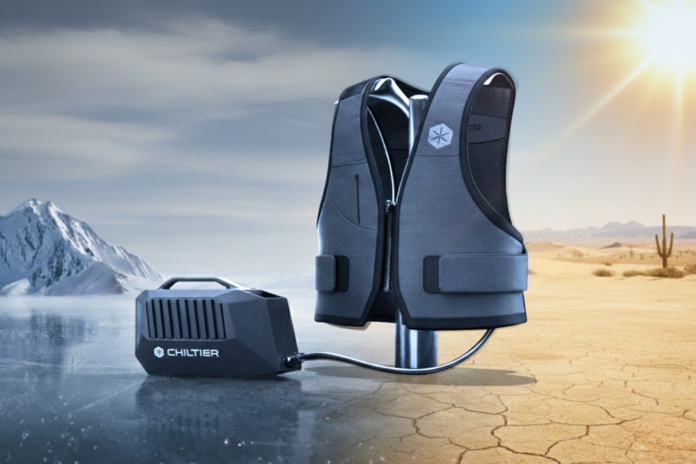
Chiltier is a founder-led Indian climate-tech startup developing personal thermal regulation systems designed to improve human performance, safety, and endurance in extreme environmental conditions
CHILTIER
Chiltier is a founder-led Indian climate-tech startup developing personal thermal regulation systems designed to improve human performance, safety, and endurance in extreme environmental conditions. The company’s core innovation lies in its patent-pending thermoelectric technology, which regulates an individual’s body temperature directly rather than cooling the surrounding environment. This targeted approach significantly reduces energy consumption while improving comfort and operational efficiency of the soldier.
Its flagship wearable platform uses thermoelectric modules combined with liquid circulation to maintain core body temperature within a controlled range. By reducing heat stress and fatigue, the system helps maintain physical stamina and cognitive performance during prolonged exposure to extreme heat or cold.
In defence scenarios, such technology can support:

- Extended deployment in desert, high-humidity, or high-altitude environments,
- Improved endurance during long-duration patrols or operations,
- Safer casualty transport and recovery in extreme climates, and
- Enhanced performance for personnel operating in protective gear.
Chiltier is building its solutions with a modular architecture that allows for easy maintenance, upgrades, and integration into different operational formats. With a focus on local manufacturing and long-term serviceability, the company aims to develop scalable personal climate systems applicable across defence, disaster response, industrial, and mobility sectors.
NewSpace Research & Technologies

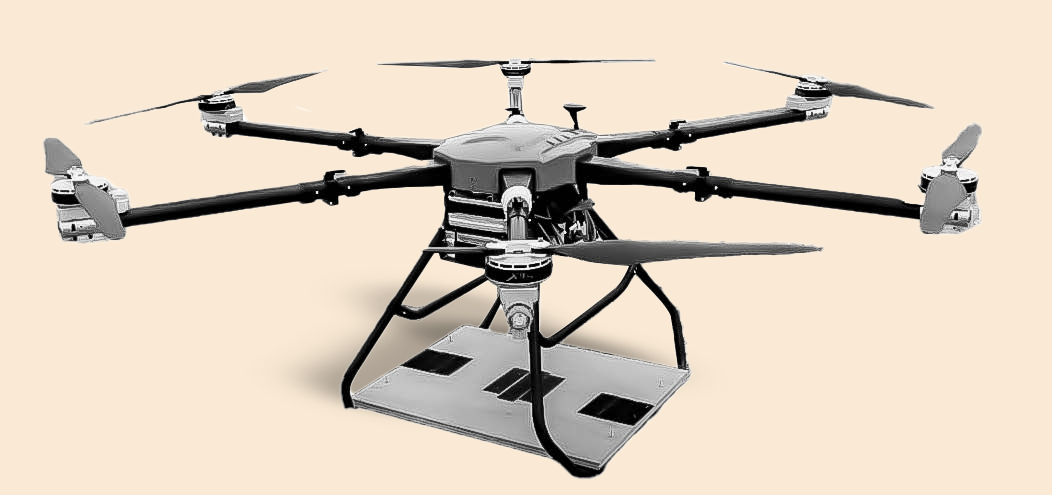
NewSpace Research & Technologies is developing next-generation autonomous aerial platforms designed for coordinated, scalable operations. The company focuses on swarm intelligence, enabling multiple unmanned aerial vehicles (UAVs) to operate collaboratively with minimal human intervention.
In modern military environments, where operations are increasingly distributed and dynamic, swarm-enabled systems offer significant advantages. They allow forces to conduct wide-area surveillance, persistent intelligence gathering, and coordinated missions while reducing dependence on large, centralised assets.
The system’s key applications include:
- Border and perimeter surveillance across large geographic areas,
- Real-time reconnaissance and target tracking,
- Logistics support and payload delivery in difficult terrain, and
- Electronic warfare and counter-drone operations.
By prioritising indigenous development and advanced autonomy, NewSpace contributes to India’s push for self-reliant unmanned capabilities. Its work reflects the broader shift toward autonomous, networked aerial systems as a core component of future military operations.
NewSpace Research & Technologies is developing next-generation autonomous aerial platforms designed for coordinated, scalable operations
BotLab Dynamics
Robotics and unmanned ground system
BotLab Dynamics operates at the intersection of robotics, artificial intelligence, and autonomous systems, developing platforms designed for high-risk and hazardous operational environments. Originally known for its work in drone technology and swarm coordination, the company has expanded into defence-oriented applications that reduce human exposure in dangerous situations.
BotLab’s systems are designed to support:
- Reconnaissance and monitoring in conflict-prone or inaccessible areas,
- Inspection and surveillance in disaster or hazardous industrial environments,
- Autonomous navigation and remote operation in complex terrains, and
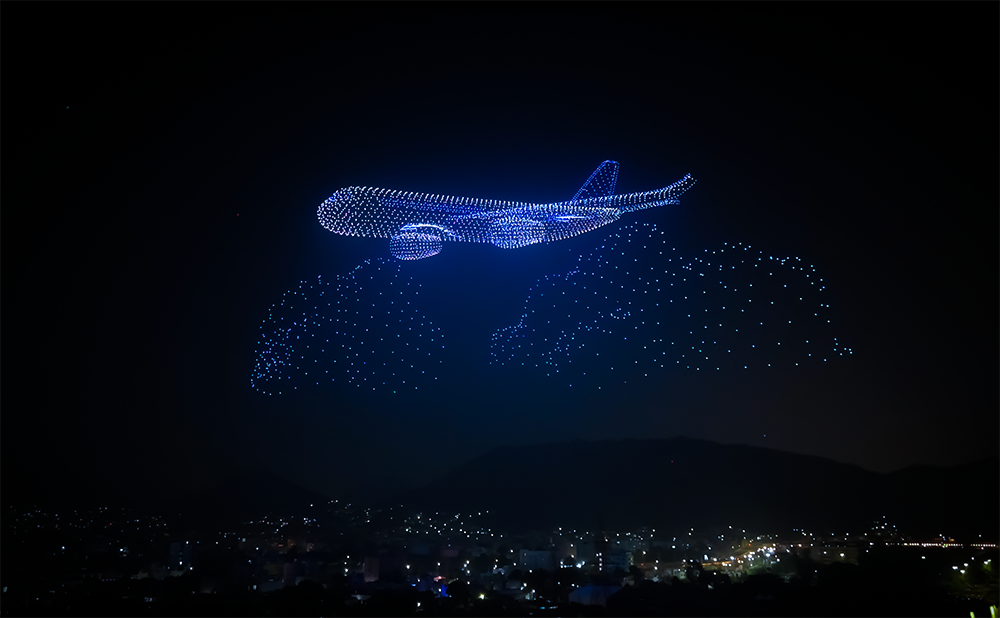
- Formation-based drone operations for coordinated aerial intelligence.
By enabling unmanned platforms to perform high-risk tasks, BotLab helps improve operational safety while increasing mission efficiency. As defence forces increasingly adopt robotic assistance for surveillance and situational awareness, such technologies are becoming an important part of the broader unmanned ecosystem.
BotLab Dynamics operates at the intersection of robotics, artificial intelligence, and autonomous systems, developing platforms designed for high-risk and hazardous operational environments
Tonbo Imaging
Tonbo Imaging is a defence technology company specialising in electro-optical and infrared (EO/IR) systems that enhance visibility, detection, and targeting capabilities in low-visibility environments. Its solutions are deployed across land, naval, airborne, and border security platforms.
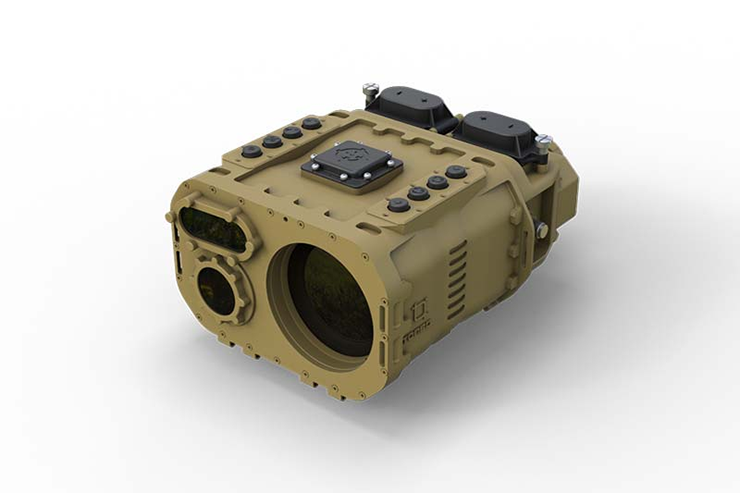
The company’s portfolio includes thermal weapon sights, handheld thermal imagers, long-range surveillance systems, fire-control optics, and advanced imaging modules. These systems allow personnel to detect and track movement in darkness, fog, smoke, dust, and camouflage-heavy terrain.
Modern defence operations increasingly require continuous, round-the-clock monitoring. Tonbo’s technologies support this by enabling:
- Day-night surveillance capability,
- Improved threat detection and identification,
- Enhanced targeting accuracy, and
- Greater situational awareness in complex environments.
With global deployments and a strong focus on indigenous design and manufacturing, Tonbo represents India’s growing strength in advanced defence sensing and imaging technologies.
Tonbo Imaging is a defence technology company specialising in electro-optical and infrared (EO/IR) systems that enhance visibility, detection, and targeting capabilities in low-visibility environments
Genesys International
Genesys International is building high-resolution geospatial intelligence platforms that support defence planning, infrastructure monitoring, and operational decision-making. The company specialises in advanced mapping technologies, including 3D city models, digital twin environments, and location intelligence systems.
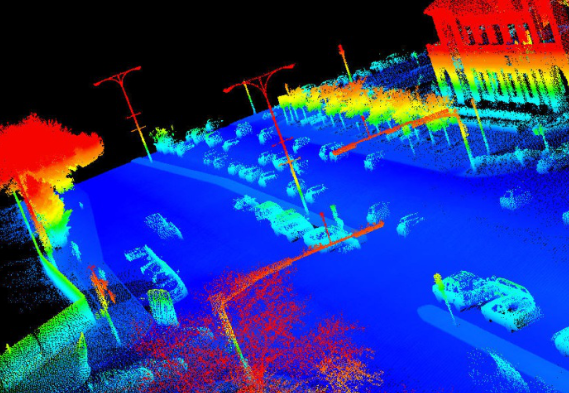
Accurate and real-time spatial data plays a critical role in modern military operations, particularly for:
- Terrain analysis and mission planning,
- Urban warfare preparation and simulation,
- Infrastructure and asset monitoring, and
- Disaster response and logistics coordination.
By creating detailed digital representations of physical environments, Genesys enables more informed planning and faster decision-making. As military operations become increasingly data-driven and urban-centric, geospatial intelligence is emerging as a foundational layer for both strategic and tactical operations.
Genesys International is building high-resolution geospatial intelligence platforms that support defence planning, infrastructure monitoring, and operational decision-making
Military Support for New Technologies
These startups reflect a broader shift in India’s defence innovation ecosystem toward human performance, operational awareness, autonomy, and data-driven decision-making. Rather than focusing solely on traditional platforms or weapon systems, this new generation of innovators is addressing core operational challenges that directly impact effectiveness, safety, and mission readiness.
From wearable thermal regulation and autonomous aerial systems to advanced sensing, robotics, and geospatial intelligence, the future of defence is increasingly defined by integrated support technologies designed for India’s unique climate, terrain, and operational realities.

